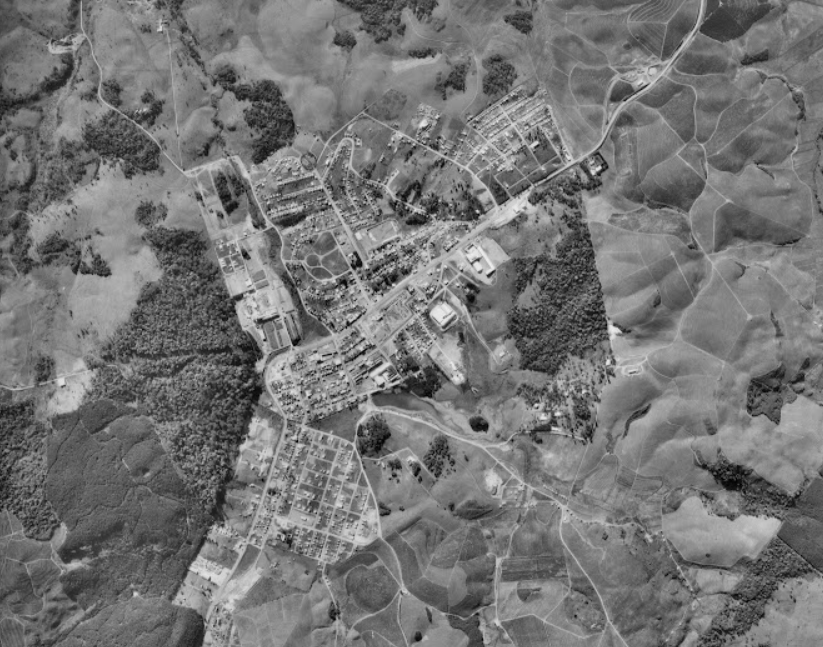
Finalmente consegui tirar um tempo para compartilhar mais uma fotografia de grande valor histórico para Fraiburgo: um registro aéreo feito pelo governo de Santa Catarina em 1978. A imagem é um convite para viajar no tempo e negaciar como era a nossa cidade naquela época.
O arquivo completo tem quase 60 MB e está no formato TIF. Para fazer o download, acarque no link acima e salve o documento. Se puder, guarde uma cópia em outros lugares também, para ajudar a preservar esse registro.
Reconheceu algum lugar ou detalhe da fotografia? Conte nos comentários! As lembranças da piazada ajudam a preservar a história do Frai.
Um abraço! Joni Hoppen — Lá no Frai
🇬🇧 English — Fraiburgo in 1978
Hello, everyone!
I finally found some time to share another photograph of great historical value to Fraiburgo: an aerial image recorded by the government of Santa Catarina in 1978. It is an invitation to travel back in time and explore what our city looked like then.
The full file is nearly 60 MB and is in TIF format. To download it, click here to open the full-resolution photograph and save the file. If you can, keep copies in other places too, to help preserve this record.
Do you recognize a place or detail in the photograph? Share your memories in the comments!
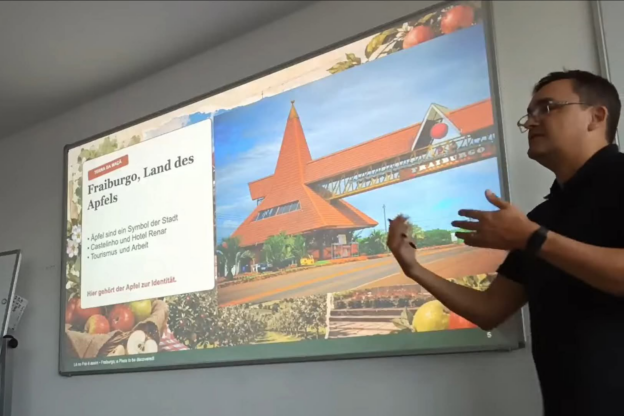
Fiz minha primeira apresentação em alemão aqui na Alemanha. Foram cerca de 25 minutos falando sobre Fraiburgo. Em alemão. Sim, aquele idioma que às vezes guarda o verbo para o fim e deixa a gente esperando para descobrir o que aconteceu. 😄
Ainda estou longe da fluência. Mas já estou cada vez mais longe do ponto zero. E estou muito feliz com essa pequena grande vitória.
Fraiburgo ou Freiburg?
O título já dava assunto: “Fraiburgo oder Freiburg?” Nomes parecidos. Duas cidades. Duas histórias.
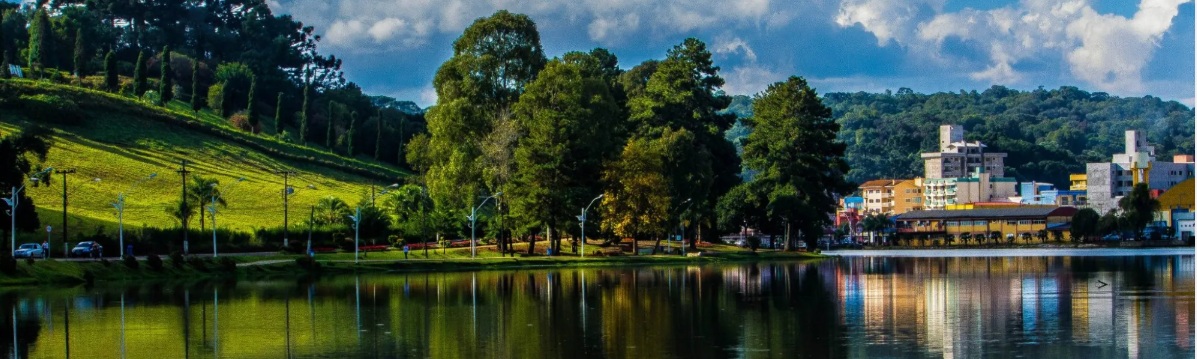
Freiburg tem o Münster, os Bächle e a Floresta Negra. Fraiburgo tem maçãs, araucárias, o Lago das Araucárias e cachoeiras na região. E capivaras. Porque elegância também pode andar devagarinho na beira do lago.
Na apresentação, levei um pouco da Terra da Maçã para a sala de aula. Mostrei o Castelinho, o Hotel Renar, a Floresta René Frey e nossas paisagens. Teve até foto histórica de neve. Brasil com neve? Pois é, tchozinho. O Brasil é bem maior que o cartão-postal da praia.
A língua da família. A minha história.
Para mim, aprender alemão tem um significado muito especial. É conhecer a língua materna de parte da minha família. É chegar mais perto das minhas raízes. E fazer uma nova conexão com o Brasil, agora vivendo do outro lado do oceano.
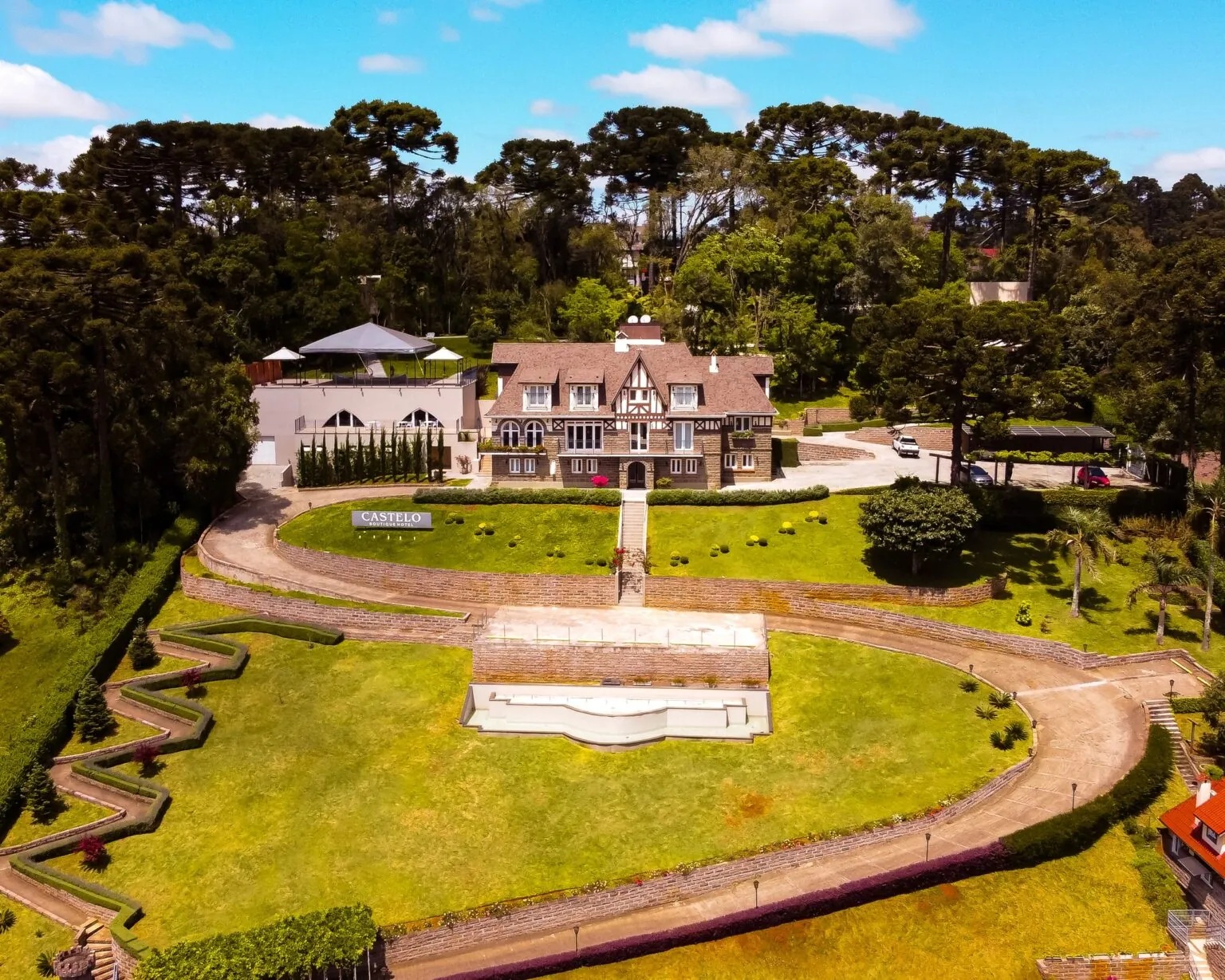
Minha apresentação também passou pela imigração e pela diversidade de Fraiburgo. Povos indígenas e influências alemãs, italianas, portuguesas, francesas e japonesas fazem parte dessa história. Até o Castelinho tem um capítulo francês, com sua arquitetura inspirada na Normandia.
O Frai vai junto
Desde 2005, venho reunindo fotos e histórias para o Lá no Frai. Em 2006, o projeto ganhou também o inglês. A vontade continua a mesma: mostrar Fraiburgo para o mundo e incentivar os mais jovens a estudar idiomas. Agora o alemão está entrando nessa conversa. Ainda devagarinho. Com o dicionário por perto.
Essa história foi construída por muita gente: famílias, fotógrafos, professores, historiadores, leitores e voluntários. Obrigado a todos que compartilharam uma foto, uma lembrança ou uma história. Um pedaço dessa contribuição foi comigo para a apresentação.
Conhecer as próprias raízes dá coragem para ir mais longe. E aprender um idioma abre uma porta. Às vezes a gente entra meio tropeçando. Mas entra!
Um abraço do Joni. Willkommen in Fraiburgo! 🍎
Lago das Araucárias · Fraiburgo, Brasil / Brasilien / BrazilCastelinho · Um capítulo francês / Ein französisches Kapitel / A French chapter
🇬🇧 English — A little of Frai, in German
Servus, everyone! How are you doing?
I gave my first presentation in German here in Germany. About 25 minutes talking about Fraiburgo. In German. Yes, the language that sometimes saves the verb for the end and keeps you waiting to find out what happened. 😄
I am still far from fluent. But I am getting further and further from where I started. And I am very happy about this small, big achievement.
Fraiburgo or Freiburg?
The title was a conversation starter: “Fraiburgo oder Freiburg?” Similar names. Two cities. Two stories.
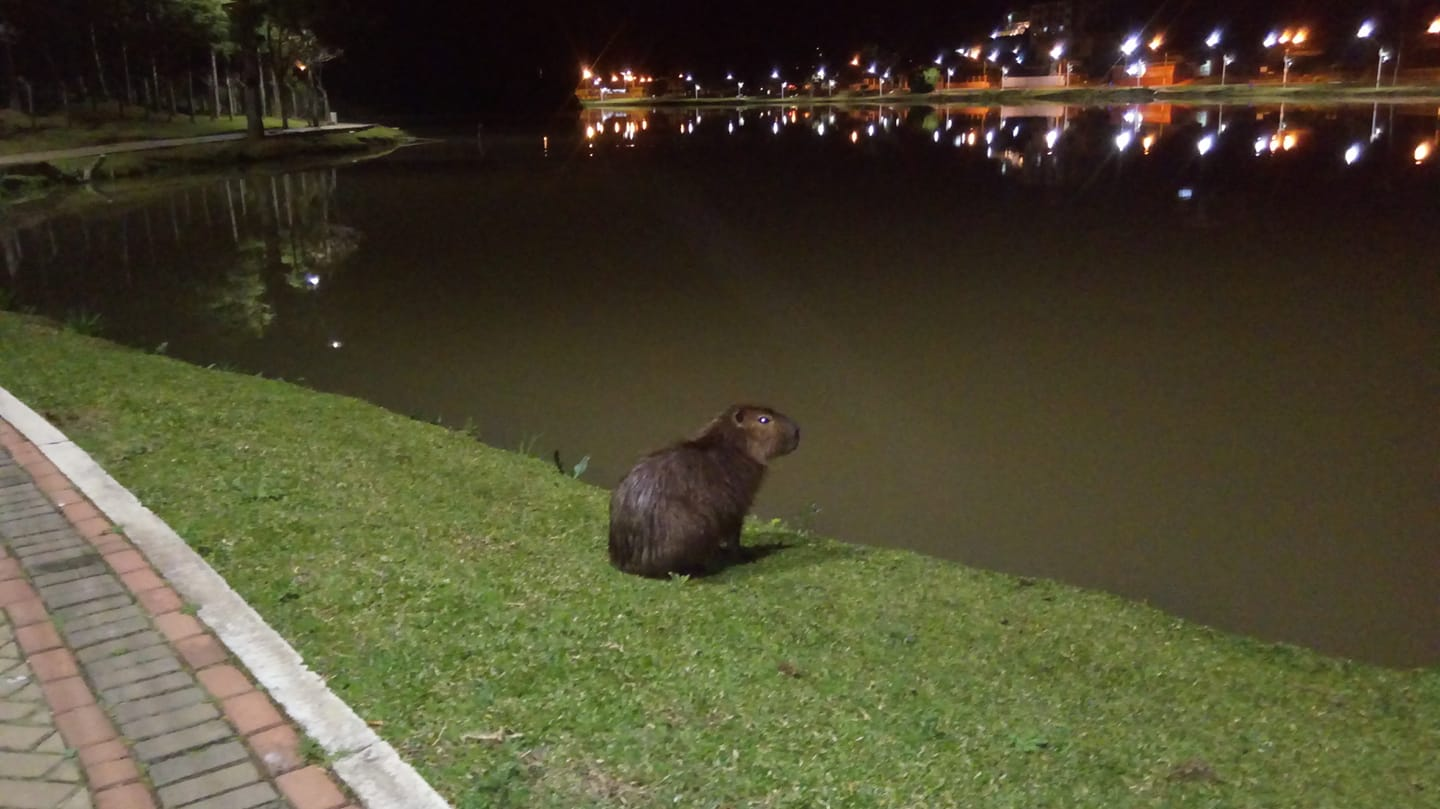
Freiburg has its Münster, its Bächle and the Black Forest. Fraiburgo has apples, araucaria trees, Lago das Araucárias and waterfalls in the region. And capybaras. Because elegance can also take a slow walk by the lake.
I brought a little of Brazil’s Land of the Apple into the classroom. I showed the Castelinho, Hotel Renar, René Frey Forest and our landscapes. There was even a historical photograph of snow. Snow in Brazil? Yes! Brazil is much bigger than a beach postcard.
My family’s language. My own story.
Learning German means something very special to me. It brings me closer to the mother tongue of part of my family. Closer to my roots. And it creates a new connection with Brazil, now that I live across the ocean.
My presentation also explored immigration and Fraiburgo’s cultural diversity. Indigenous peoples and German, Italian, Portuguese, French and Japanese influences are part of this story. Even the Castelinho has a French chapter, with architecture inspired by Normandy.
A little of Frai travels with me
I have been collecting photographs and stories for Lá no Frai since 2005. English joined the project in 2006. The purpose remains the same: to introduce Fraiburgo to the world and encourage younger generations to learn languages. Now German is joining the conversation. Slowly. With a dictionary nearby.
Families, photographers, teachers, historians, readers and volunteers helped build this shared story. Thank you to everyone who contributed a photograph, a memory or a story. A little of your contribution travelled with me into that classroom.
Knowing your roots gives you courage to go further. Learning a language opens a door. Sometimes you stumble on the way in. But you make it through!
A big hug from Joni. Willkommen in Fraiburgo! 🍎
Hotel Renar · Foto histórica com neve / Historisches Foto mit Schnee / Historical snow photograph
🇩🇪 Deutsch — Ein Stück Fraiburgo auf Deutsch
Servus zusammen! Alles gut?
Ich habe meinen ersten Vortrag auf Deutsch hier in Deutschland gehalten. Etwa 25 Minuten über Fraiburgo. Auf Deutsch. Ja, die Sprache, in der das Verb manchmal erst am Ende kommt. Bis dahin wartet man gespannt: Was ist eigentlich passiert? 😄
Ich spreche noch lange nicht fließend Deutsch. Aber ich bin schon viel weiter als am Anfang. Und über diesen kleinen großen Erfolg freue ich mich sehr.
Fraiburgo oder Freiburg?
Der Titel war ein guter Anfang: „Fraiburgo oder Freiburg?“ Ähnliche Namen. Zwei Städte. Zwei Geschichten.
Freiburg hat das Münster, die Bächle und den Schwarzwald. Fraiburgo hat Äpfel, Araukarien, den Lago das Araucárias und Wasserfälle in der Region. Und Capybaras. Auch sie können ganz elegant am See spazieren. Nur etwas langsamer.
Ich habe ein Stück „Land des Apfels“ in den Unterricht mitgebracht. Ich habe das Castelinho, das Hotel Renar, den René-Frey-Wald und unsere Landschaften gezeigt. Auch ein historisches Foto mit Schnee war dabei. Schnee in Brasilien? Ja! Brasilien ist viel mehr als eine Postkarte vom Strand.
Die Sprache meiner Familie. Meine Geschichte.
Deutsch zu lernen bedeutet mir sehr viel. Es ist die Muttersprache eines Teils meiner Familie. Durch die Sprache lerne ich meine Wurzeln besser kennen. Und ich finde eine neue Verbindung zu Brasilien, obwohl ich jetzt auf der anderen Seite des Ozeans lebe.
Im Vortrag ging es auch um Einwanderung und die kulturelle Vielfalt von Fraiburgo. Indigene Völker sowie deutsche, italienische, portugiesische, französische und japanische Einflüsse gehören zu dieser Geschichte. Auch das Castelinho hat ein französisches Kapitel: Seine Architektur ist von der Normandie inspiriert.
Ein Stück Fraiburgo kommt mit
Seit 2005 sammle ich Fotos und Geschichten für Lá no Frai. Seit 2006 gibt es auch Texte auf Englisch. Mein Ziel bleibt gleich: Fraiburgo der Welt zeigen und junge Menschen zum Sprachenlernen motivieren. Jetzt kommt Deutsch dazu. Langsam. Das Wörterbuch bleibt in der Nähe.
Viele Menschen haben diese Geschichte mit aufgebaut: Familien, Fotografen, Lehrer, Historiker, Leser und Freiwillige. Danke für jedes Foto, jede Erinnerung und jede Geschichte. Ein Stück davon habe ich in meinem Vortrag mitgenommen.
Wer seine Wurzeln kennt, kann mit Mut weitergehen. Eine neue Sprache öffnet eine Tür. Manchmal stolpert man beim Reingehen. Aber man kommt hinein!
Liebe Grüße von Joni. Willkommen in Fraiburgo! 🍎
Cachoeiras da região / Wasserfälle in der Region / Waterfalls in the region
📽️ Veja a apresentação / View the slides / Präsentation ansehen
Quer conhecer melhor o Frai? Veja os slides da minha primeira apresentação em alemão.
Want to discover more about Fraiburgo? Explore the slides from my first presentation in German.
Möchtest du Fraiburgo besser kennenlernen? Hier sind die Folien meines ersten Vortrags auf Deutsch.
Lá no Frai é assim… Fraiburgo, a Place to be discovered!
Fotos selecionadas da apresentação “Fraiburgo oder Freiburg?”, de Joni Hoppen. / Bilder aus dem Vortrag von Joni Hoppen. / Images selected from Joni Hoppen’s presentation.
Então piazada, escrevo da cidade de Memmingen no Sul da Alemanha, próximo da Suíça e Áustria. Faz um pouco mais de 6 meses que se tacamo conhecer esse mundo. Logicamente não foi uma decisão nem simples nem barata, porém muito valiosa. Por isso queria muito compartilhar um pouco das coisaradas que venho negaciando por aqui nesse tempo. Aqui não é Munique. Não é Berlim. É Memmingen, uma cidade medieval 45 mil habitantes, 10 mil a mais que Fraiburgo (Frai) que, por sua vez, não é medieval e sim uma cidade bebê com 65 anos apenas. A título de comparação a imigração alemã no Brasil tem 202 anos (início 1824).
A ideia é mostrar algumas comparações do que temos no Frai com o que temos na Alemanha, muita gente fica muito curiosa em saber que existe uma Fraiburgo no Brasil e vice-versa. A ideia não é comparar o que é melhor ou pior, quando falamos de cultura isso não faz sentido. Na minha visão o que mais importa é provocar as reflexões sobre nossa história e tentar entender como ambos os povos encontraram seu caminho para a auto preservação, algumas coisas podem ser parecidas, outras totalmente diferentes.
Desde já peço desculpas por não conseguir tratar ambas no nível de riqueza de detalhes que cada uma merece.
Essa jornada só foi possível graças à Planted Foods e tem um detalhe curioso: eles produzem carne a partir de plantas. Pois é… eu também estranhei no começo 😄 Se quiser entender melhor, dá uma passada no Instagram: https://www.instagram.com/eatplanted/
Então vamos lá jaguarinhos.
Servus zusammen! Also, Leute… ich schreibe hier aus der Stadt Memmingen im Süden Deutschlands, ganz in der Nähe von der Schweiz und Österreich. Seit etwas mehr als 6 Monaten haben wir uns auf dieses Abenteuer eingelassen, die Welt hier zu entdecken. Natürlich war das keine einfache und auch keine günstige Entscheidung – aber definitiv eine sehr wertvolle.
Deshalb möchte ich ein bisschen von den Dingen teilen, die ich in dieser Zeit hier erlebt habe. Hier ist nicht München. Hier ist nicht Berlin. Hier ist Memmingen – eine mittelalterliche Stadt mit etwa 45.000 Einwohnern, rund 10.000 mehr als Fraiburgo (Frai) in Brasilien, das wiederum keine mittelalterliche Stadt ist, sondern eher eine „junge Stadt“ mit nur etwa 65 Jahren. Zum Vergleich: Die deutsche Einwanderung nach Brasilien begann 1824 – also vor etwa 202 Jahren.
Die Idee ist, einige Vergleiche zwischen Fraiburgo und Deutschland zu zeigen. Viele Menschen sind sehr neugierig zu erfahren, dass es ein Fraiburgo in Brasilien gibt – und gewissermaßen auch ein Pendant hier. Es geht aber nicht darum zu sagen, was besser oder schlechter ist. Wenn es um Kultur geht, macht das keinen Sinn.
Vielmehr möchte ich zum Nachdenken anregen: Wie haben beide Völker ihren eigenen Weg gefunden? Wie haben sie sich entwickelt und erhalten? In manchen Punkten gibt es überraschende Ähnlichkeiten, in anderen große Unterschiede. Ich bitte schon jetzt um Verständnis, dass ich nicht die Tiefe liefern kann, die beide Geschichten eigentlich verdienen.
Diese Reise wurde möglich dank der Planted Foods – und hier kommt ein interessantes Detail: Sie stellen Fleisch aus Pflanzen her. Ja… das fand ich am Anfang auch ungewöhnlich 😄 Wenn du neugierig bist, schau dir gerne ihr Instagram an: https://www.instagram.com/eatplanted/ Also, los geht’s!
Hey everyone! So, I’m writing from the city of Memmingen in southern Germany, close to Switzerland and Austria. It’s been a little over 6 months since we decided to dive into this adventure and explore this part of the world. It wasn’t a simple decision – nor a cheap one – but definitely a very valuable one. That’s why I’d love to share a bit of what I’ve been experiencing here during this time.
This is not Munich. This is not Berlin. This is Memmingen – a medieval town with around 45,000 inhabitants, about 10,000 more than Fraiburgo (Frai) in Brazil, which is not medieval at all, but rather a “young city” with just about 65 years. For comparison, German immigration to Brazil began in 1824 – about 202 years ago. The idea here is to bring some comparisons between Fraiburgo and Germany. Many people are very curious to learn that there is a Fraiburgo in Brazil – and, in a way, something that feels familiar here as well. But this is not about saying what is better or worse. When it comes to culture, that kind of comparison simply doesn’t make sense. What matters most to me is to spark reflection: how both societies found their own paths, how they developed and preserved themselves over time. In some aspects, the similarities are surprising; in others, the differences are quite striking.
I apologize in advance for not being able to go into the level of detail that each story truly deserves. This journey was only possible thanks to Planted Foods — and here’s a fun detail: they make meat from plants. Yes… I found that strange at first too 😄 If you’re curious, take a look at their Instagram: https://www.instagram.com/eatplanted/ So, let’s get started! 🚀
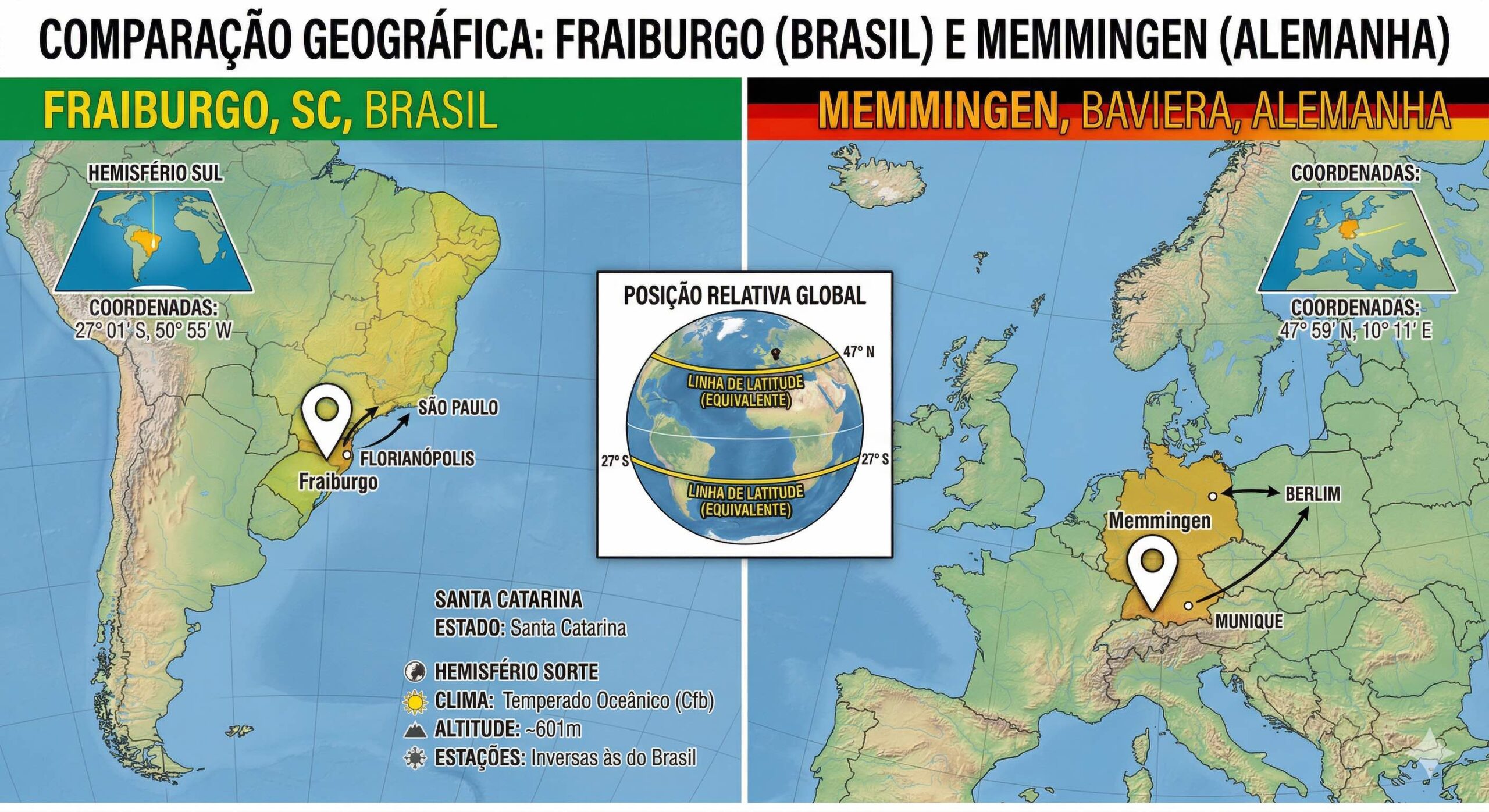
01 – No mapa / Auf der Karte / On the map
Começamos pelo mapa, muito importante.
Wir beginnen mit der Karte, sehr wichtig
We start with the map, very important.
Geografischer Vergleich zwischen Fraiburgo und Memmingen / Geographic comparison between Fraiburgo and Memmingen
02 – Entrada das cidades / Einstieg der Städte / Entry of the cities
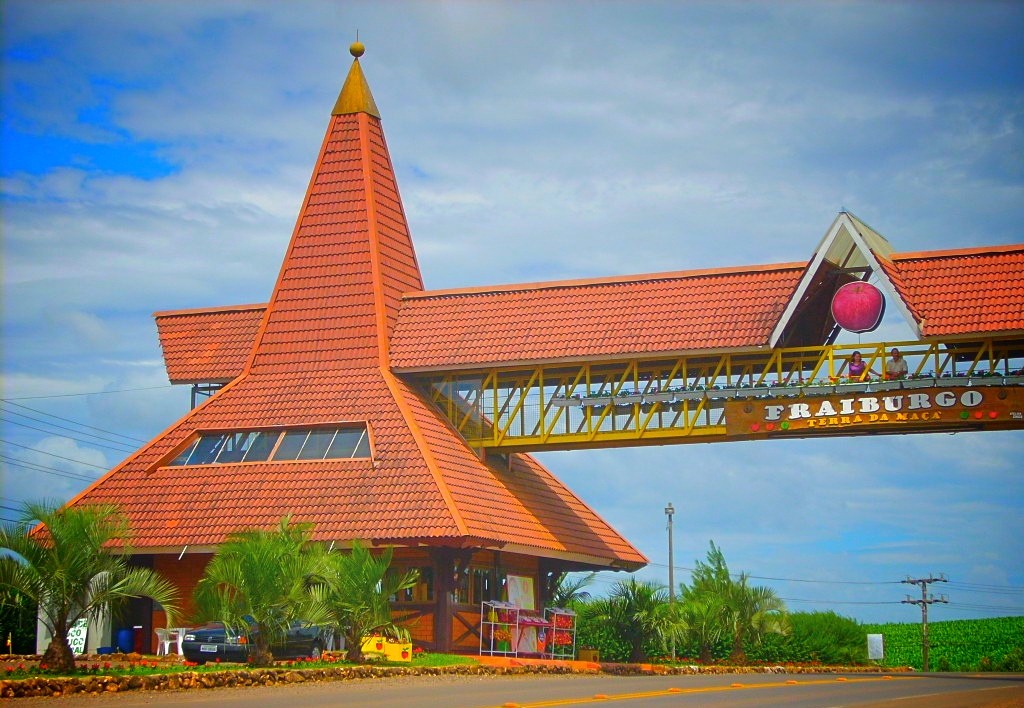
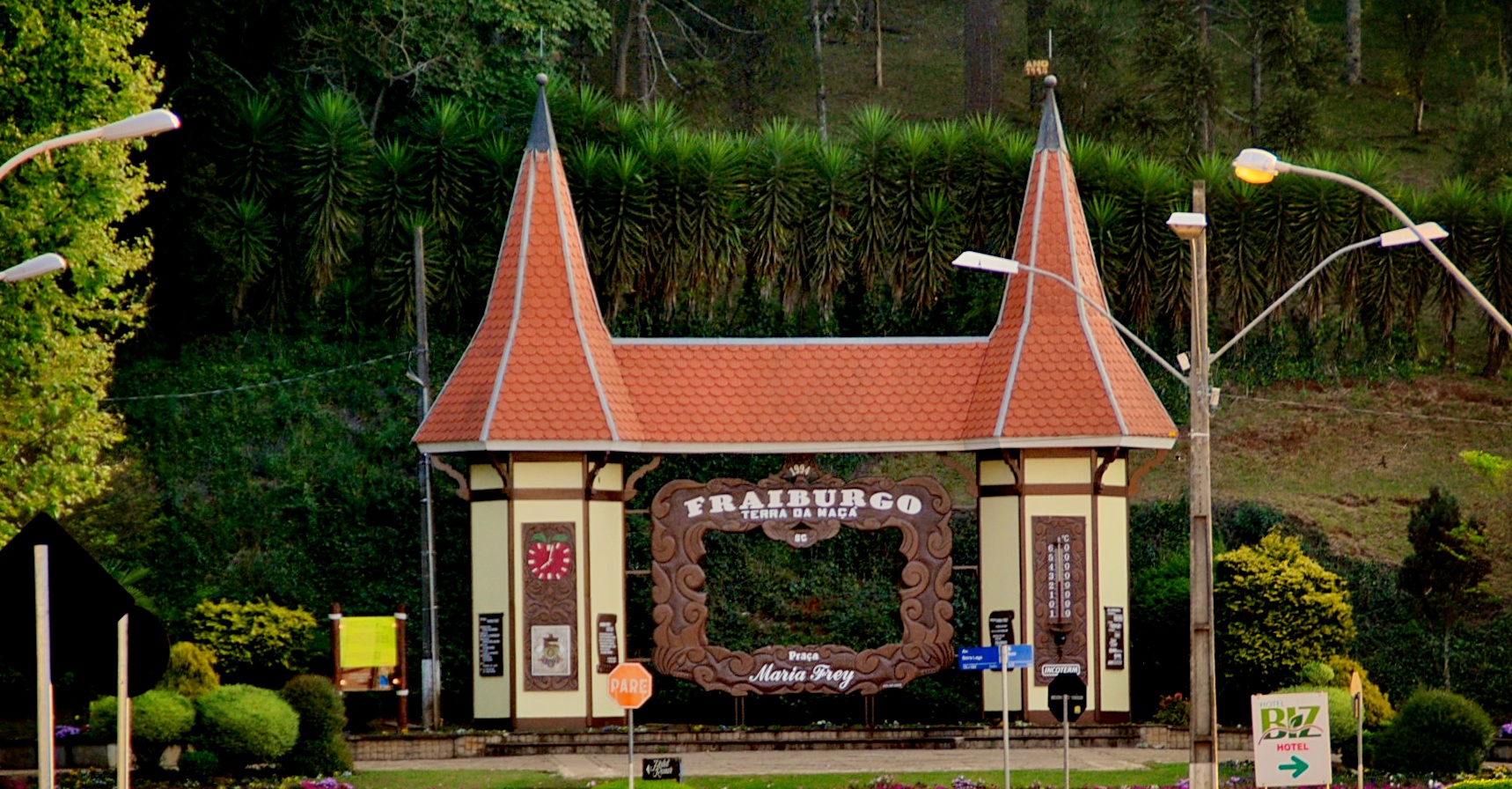
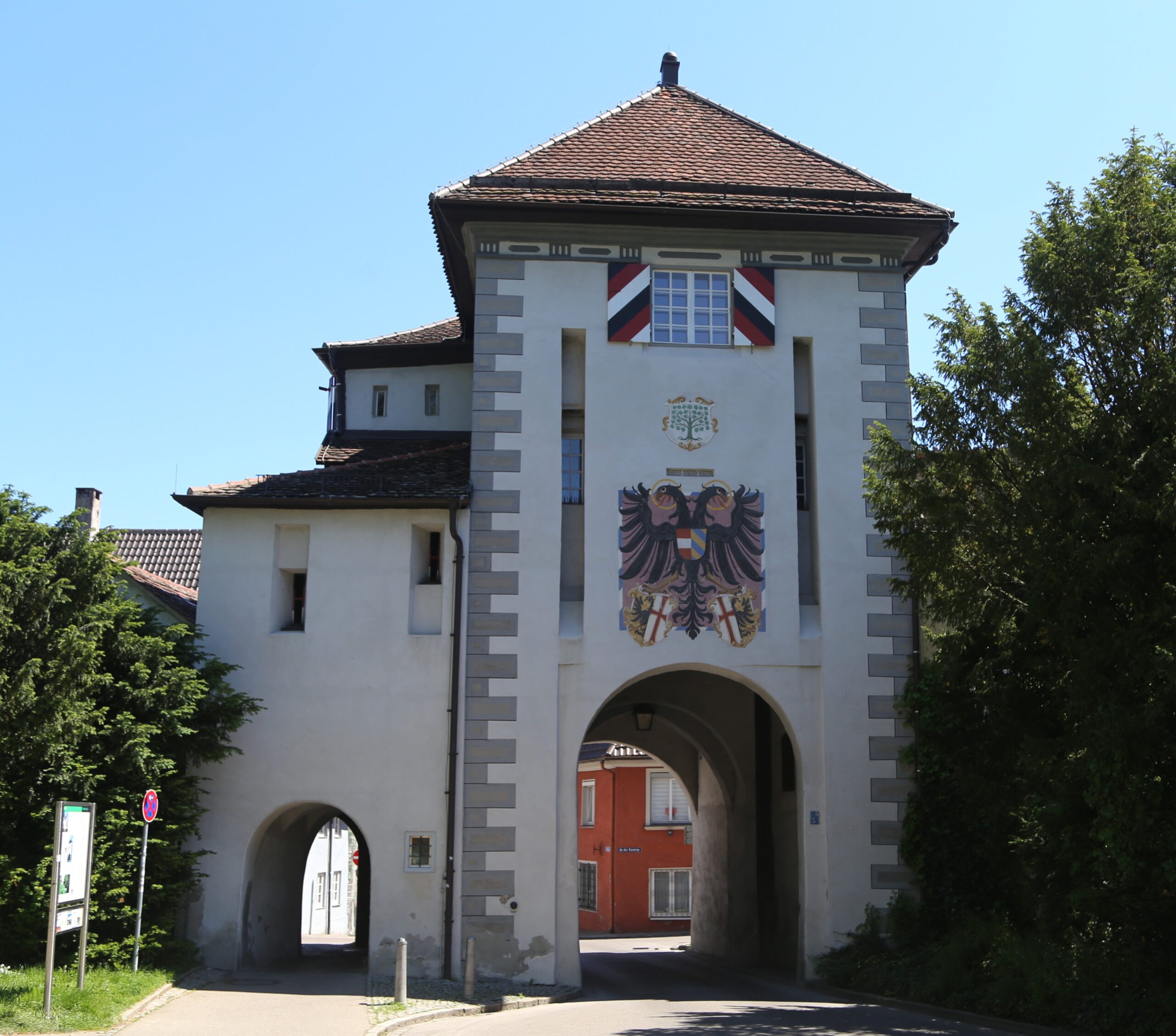
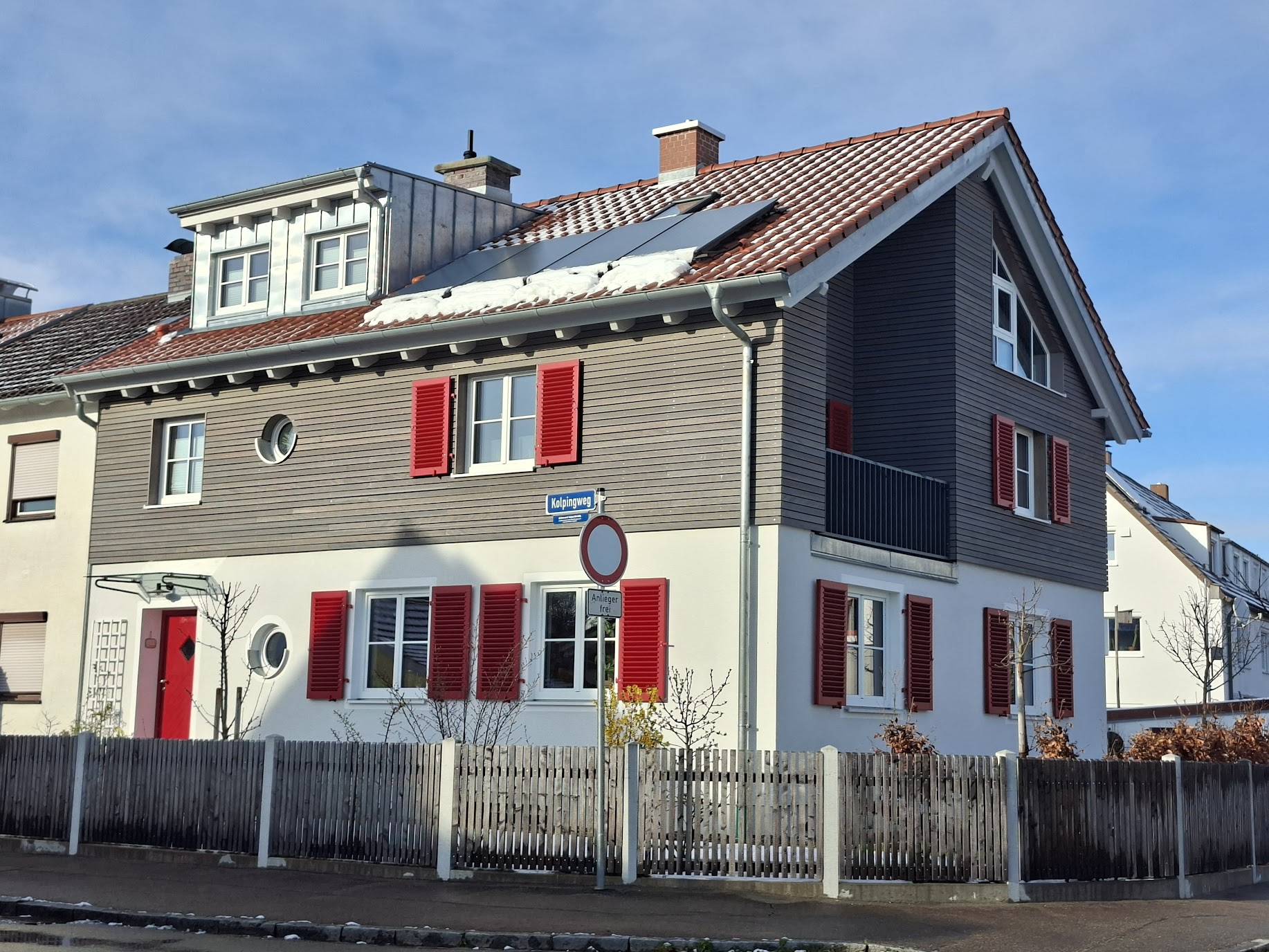
Como Fraiburgo não é uma cidade murada, temos apenas esse portal de entrada, com venda de produtos regionais e informações turísticas.
Da Fraiburgo keine ummauerte Stadt ist, gibt es nur dieses Eingangstor mit Verkauf regionaler Produkte und touristischen Informationen.
As Fraiburgo is not a walled city, there is only this entrance gate, offering regional products and tourist information.
Portal da Cidade de Fraiburgo / Stadttor von Fraiburgo / Fraiburgo City Gate
Abaixo, a Praça Maria Frey funciona quase como um portal, dando boas-vindas ao Lago das Araucárias, aos hotéis e ao centro da cidade. Inaugurada em 1994, abriga um dos maiores termômetros de mercúrio das Américas.
Unten fungiert der Maria-Frey-Platz fast wie ein Tor und heißt Besucher am Lago das Araucárias, bei den Hotels und im Stadtzentrum willkommen. Er wurde 1994 eingeweiht und beherbergt eines der größten Quecksilberthermometer Amerikas.
Below, Maria Frey Square works almost like a gateway, welcoming visitors to Lago das Araucárias, the hotels, and the city center. Inaugurated in 1994, it features one of the largest mercury thermometers in the Americas.
Praça Maria Frey anno 1994 / Maria-Frey-Platz Anno 1994 / Maria Frey Square Anno 1994
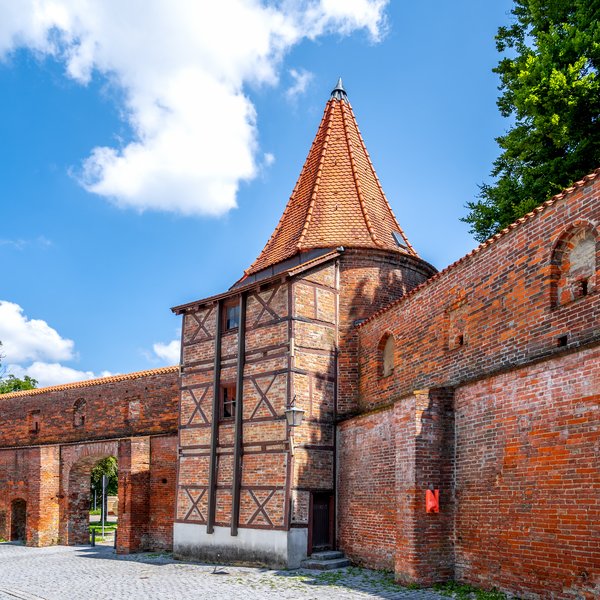
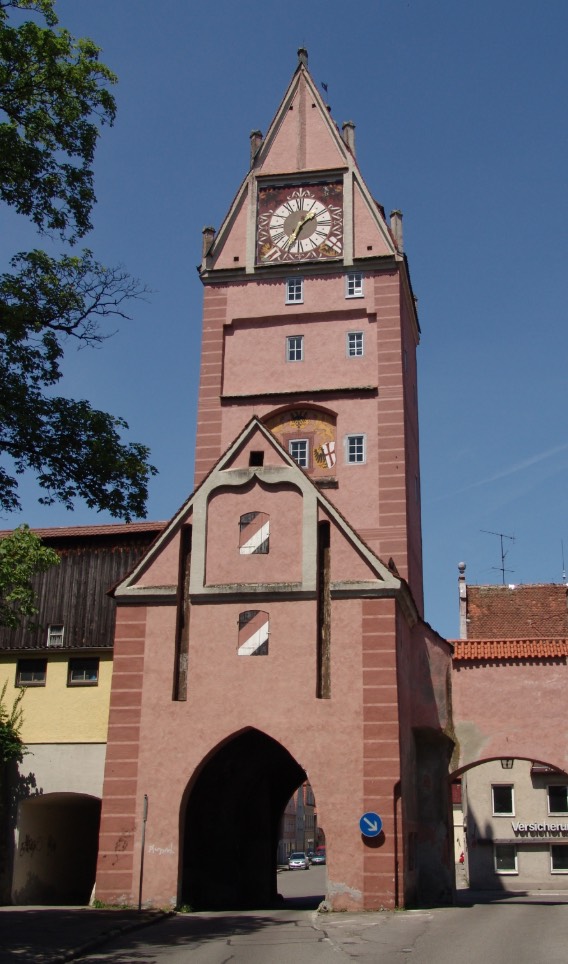
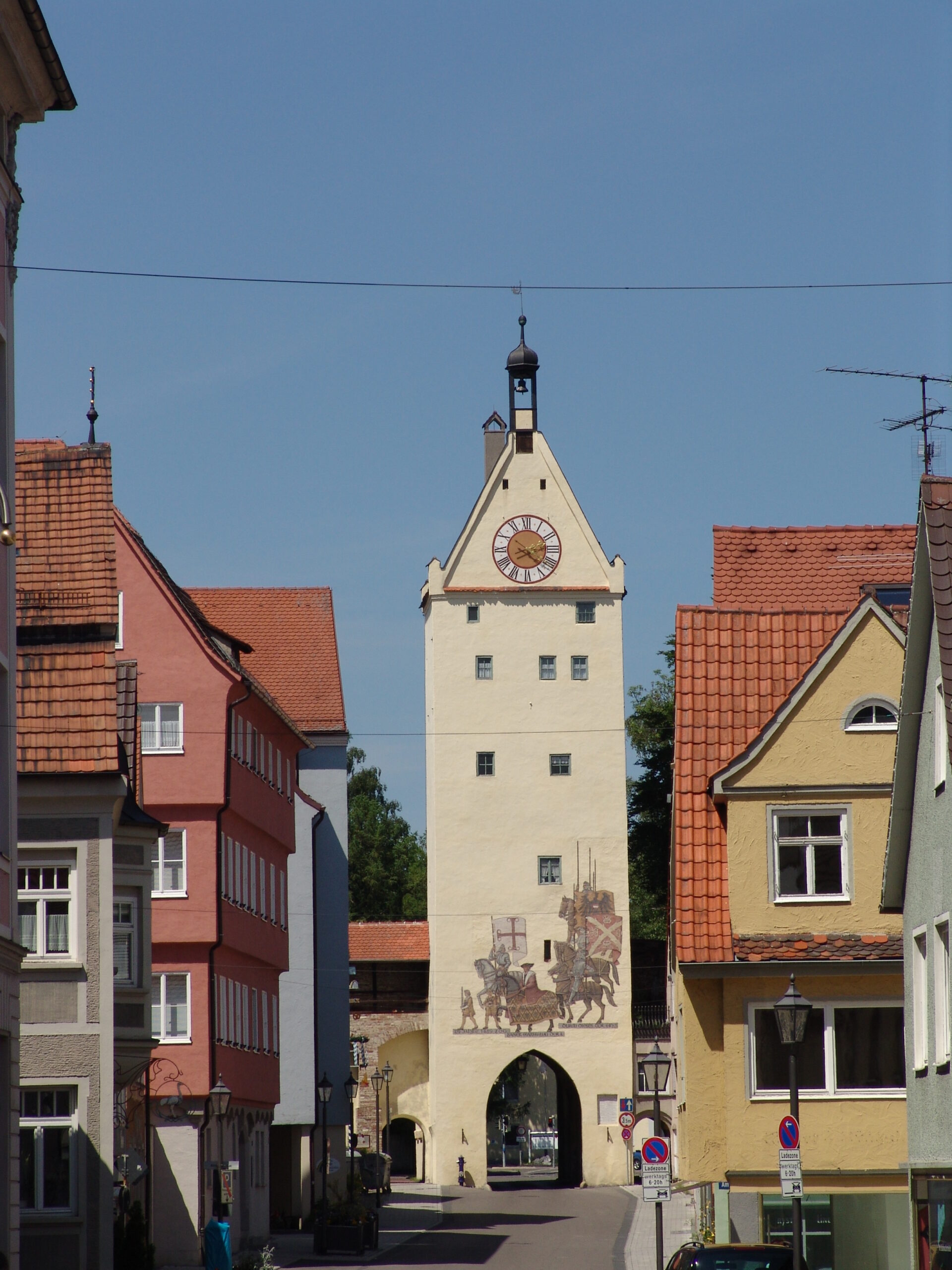
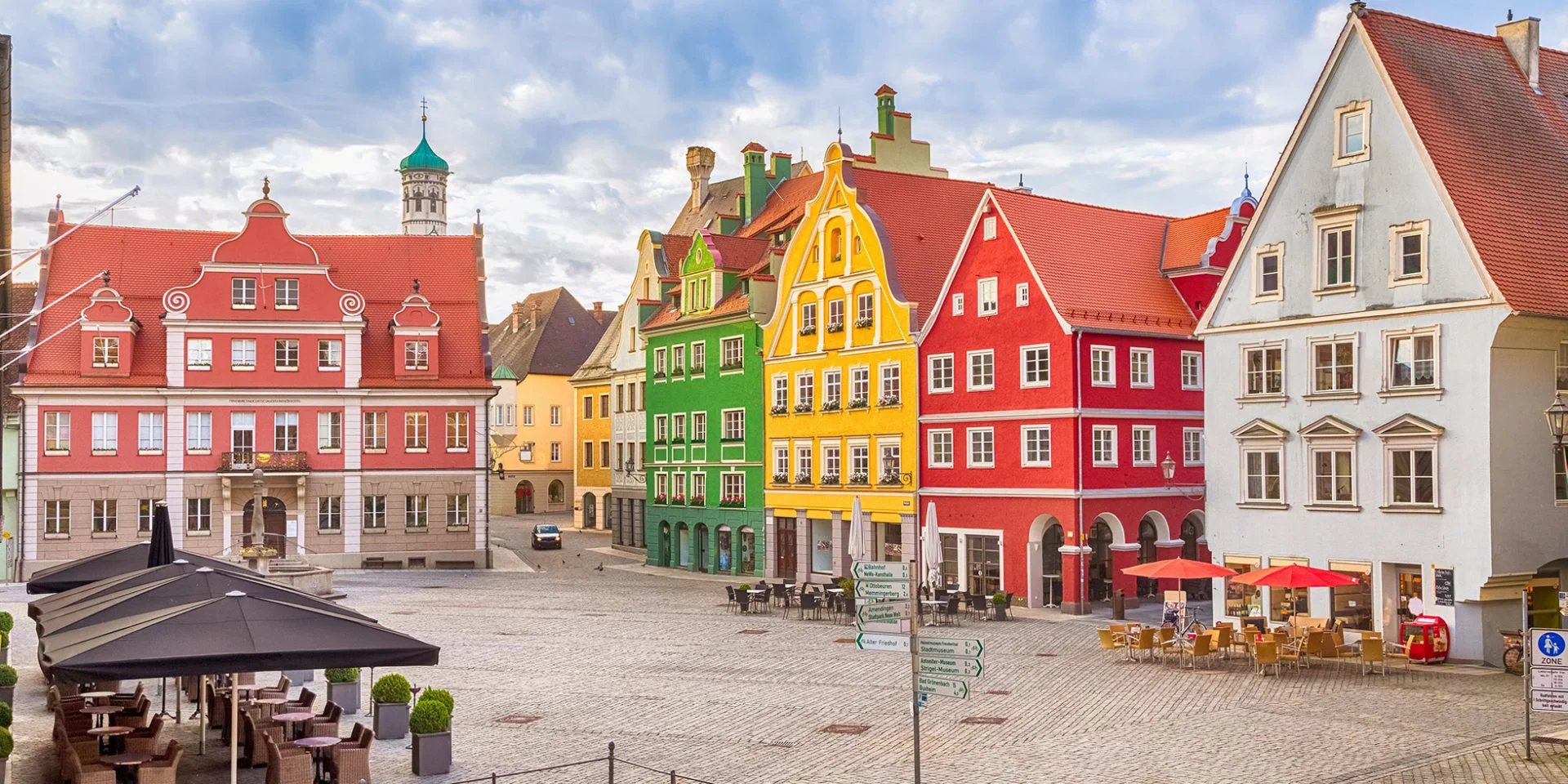
Já por aqui, como ainda existe boa parte da muralha medieval para entrar na cidade existem vários portais como esse aí, mais velhos até do que o Brasil.
Hier hingegen, da ein großer Teil der mittelalterlichen Stadtmauer noch erhalten ist, gibt es mehrere solche Tore, die sogar älter sind als Brasilien.
Here, on the other hand, since much of the medieval city wall is still preserved, there are several gates like this, some of them even older than Brazil.
Einlass. / Anno 1474–1475Kemptener Tor / Anno 1350Ulmer Tor – 1350–1370Lindauer Tor – 1350–1400
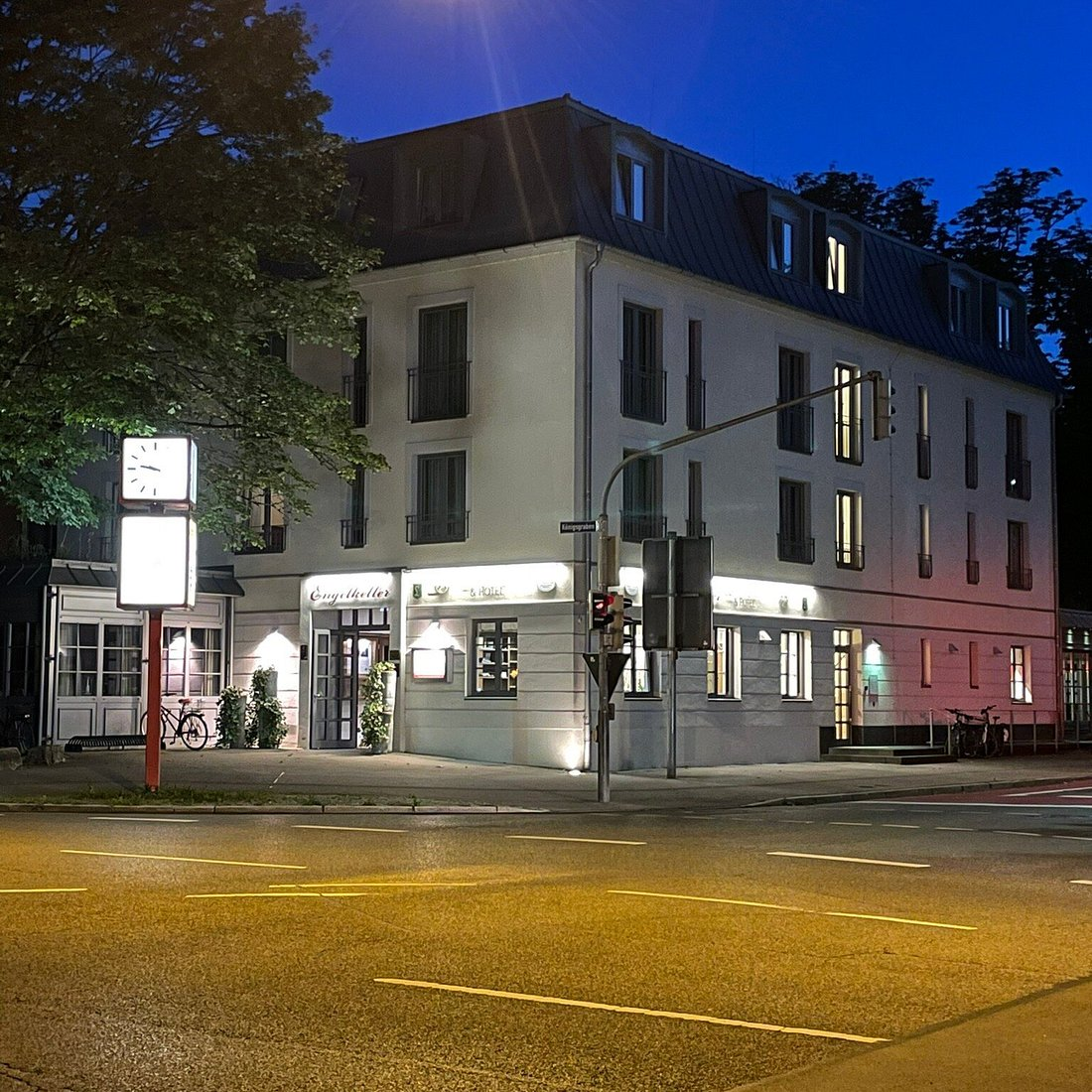
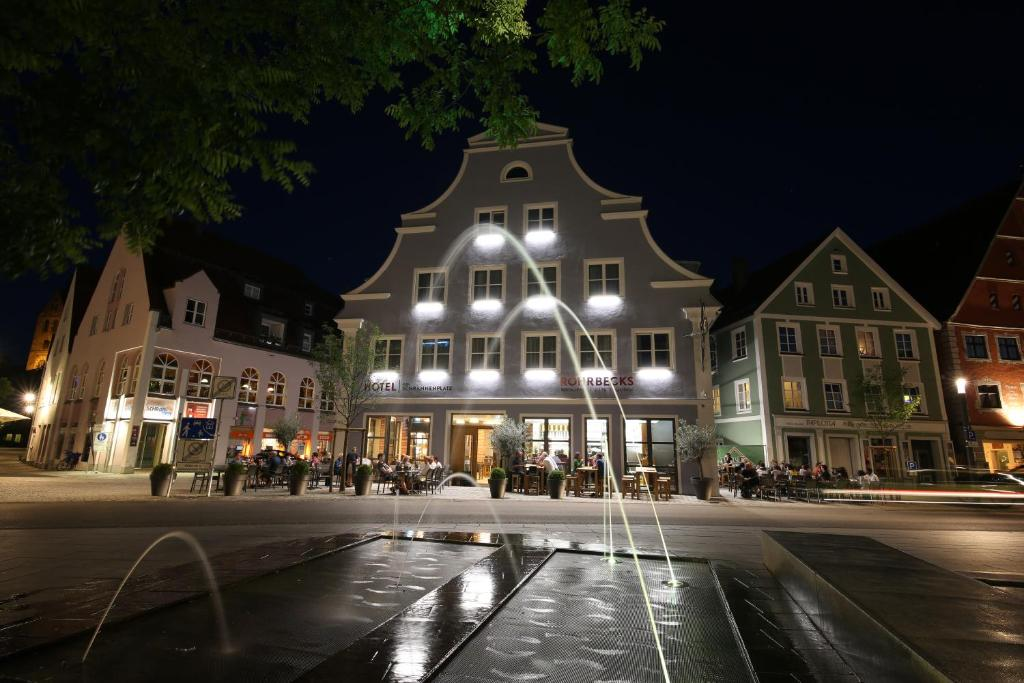
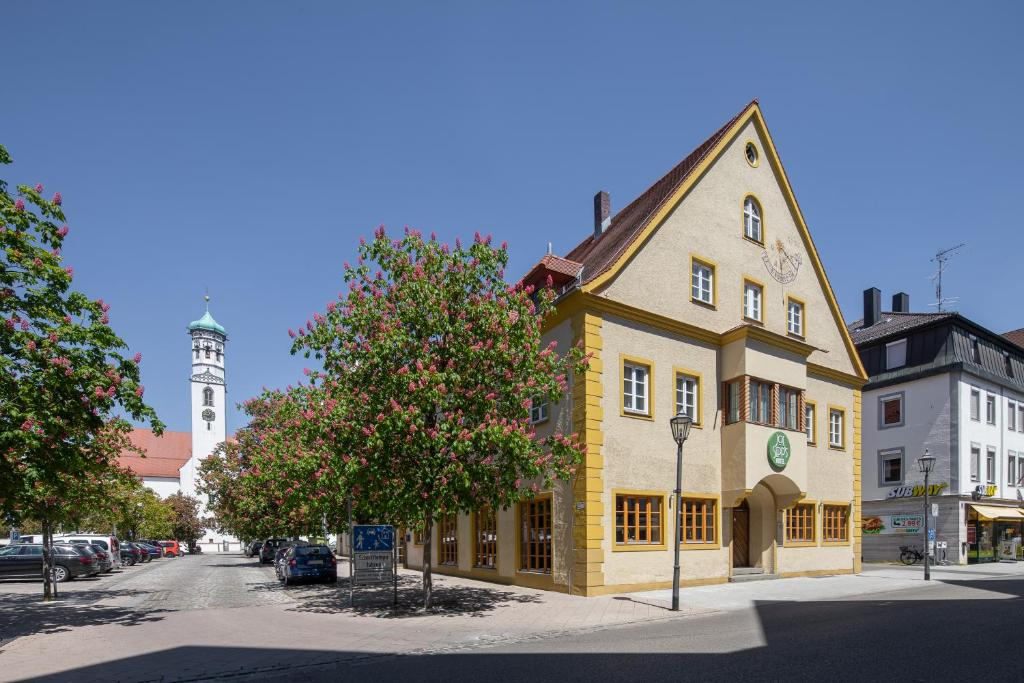
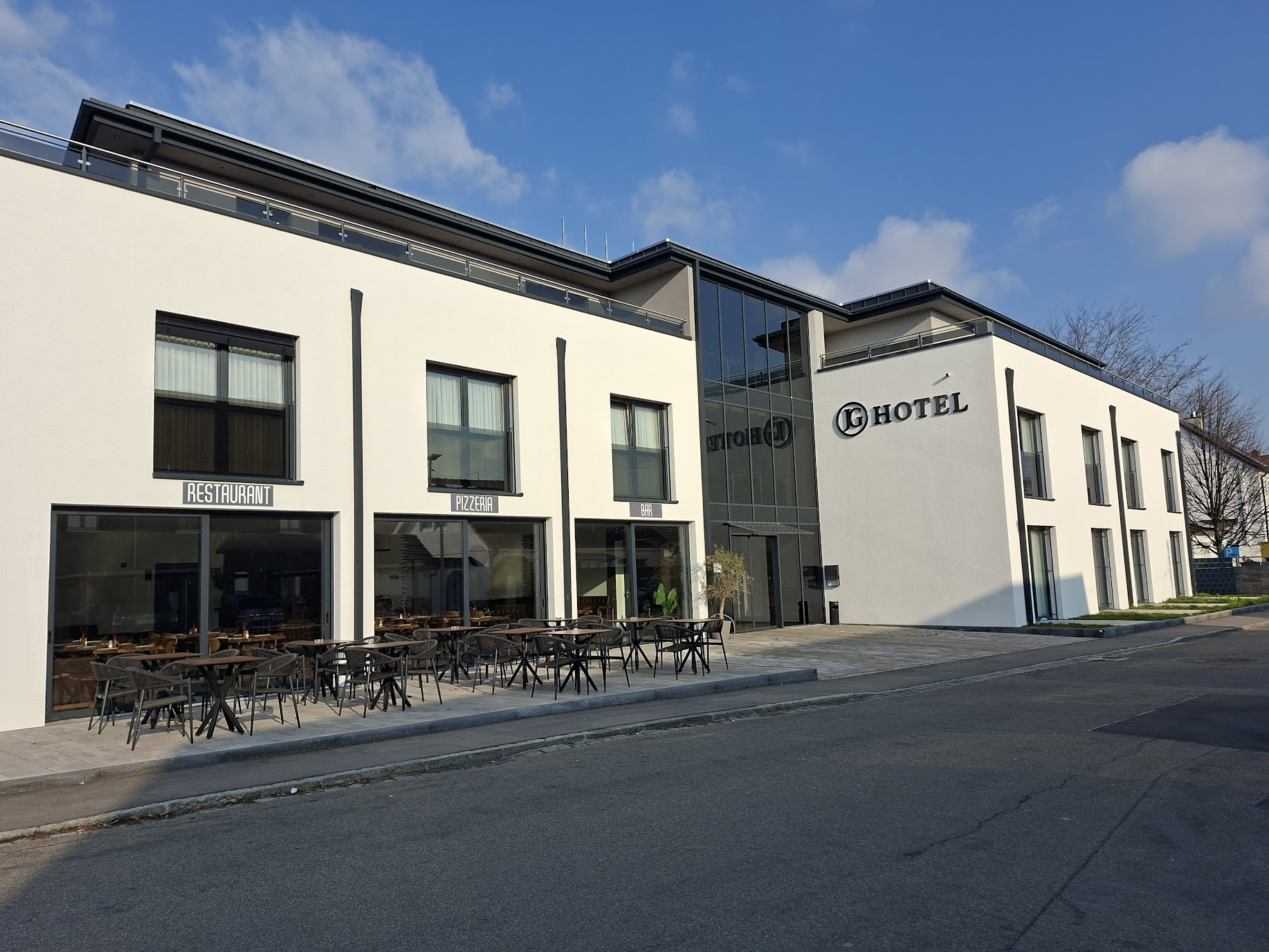
03 – Hotéis e Acomodação / Unterkünfte / Accommodation
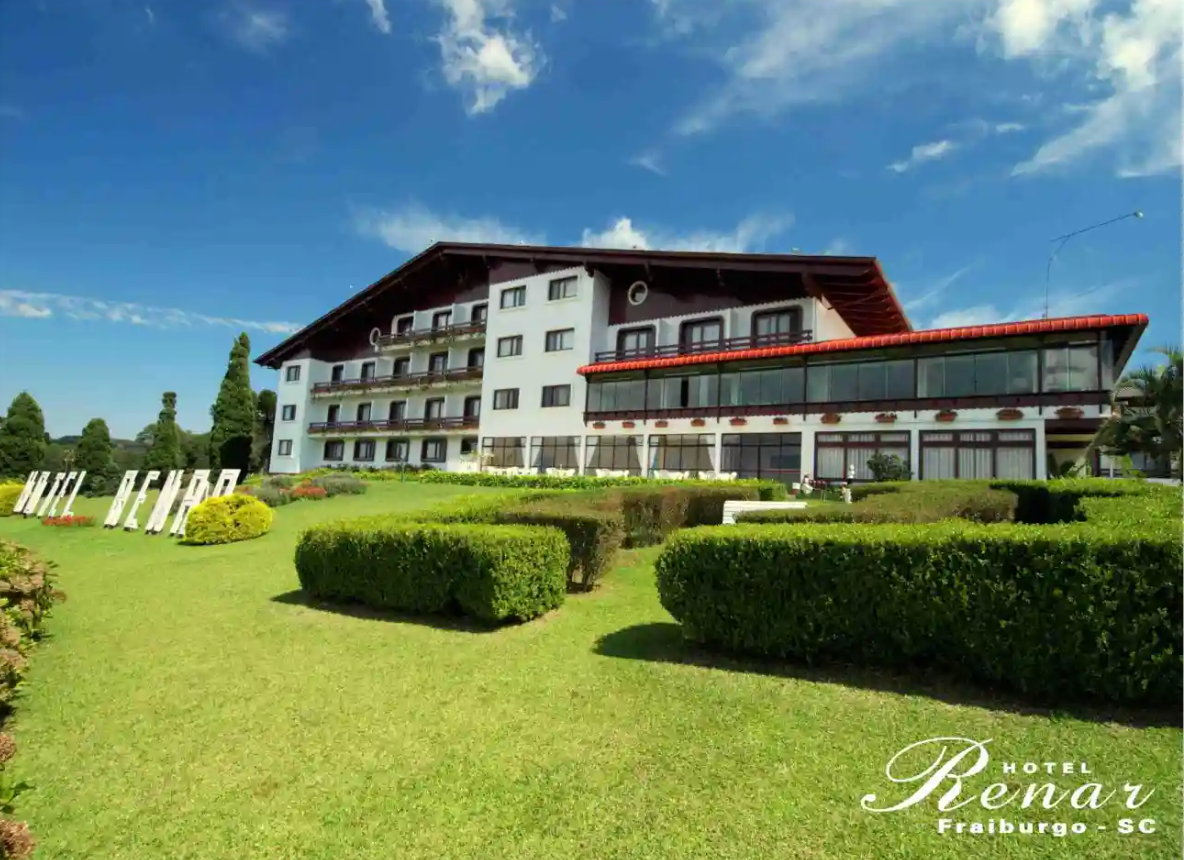
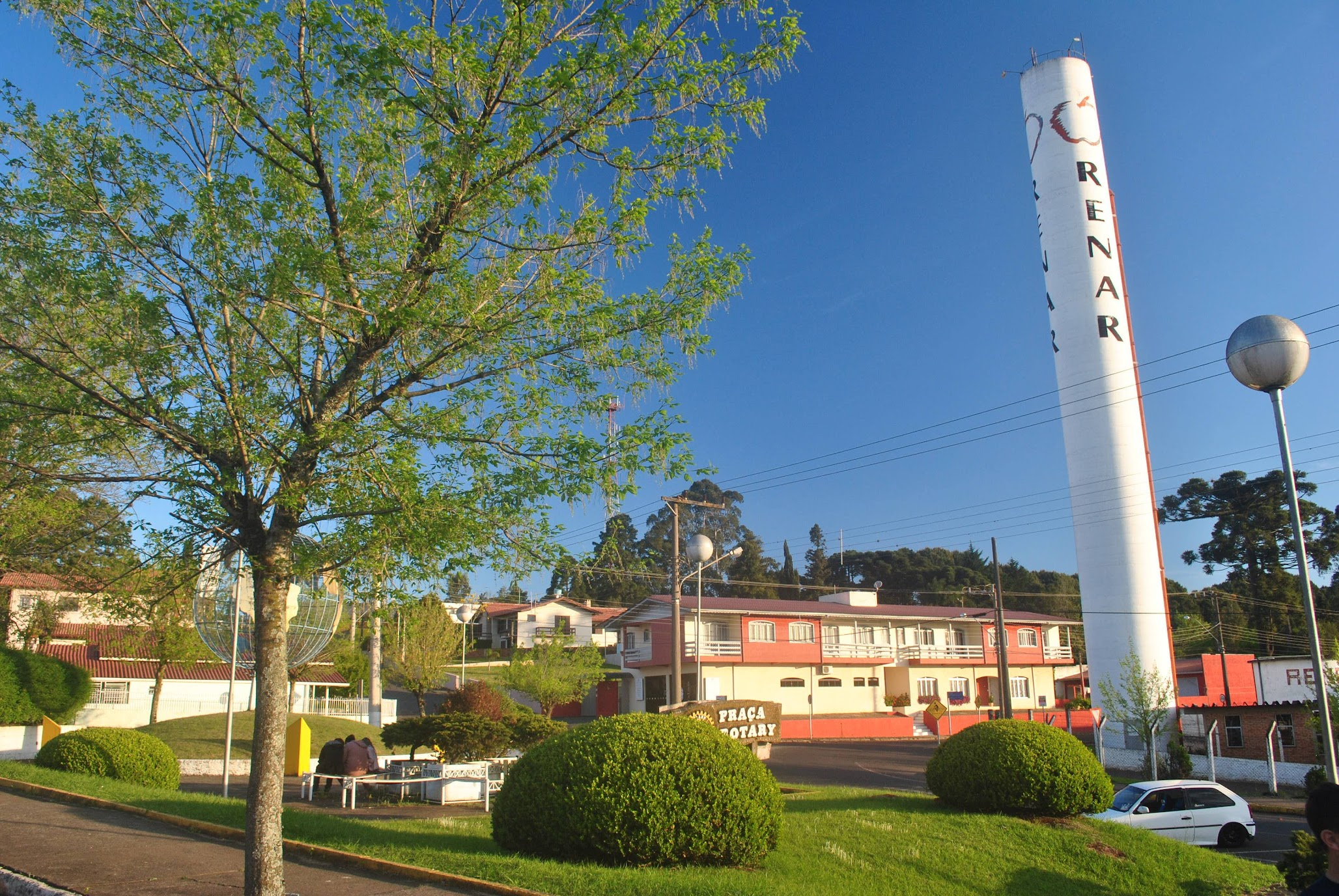
Ambas cidades são industriais e turísticas, logicamente que as opções de acomodação não faltam. Começamos com o Hotel Renar, o mais imponente e conhecido da Região.
Beide Städte sind industriell geprägt und touristisch attraktiv, daher mangelt es selbstverständlich nicht an Unterkunftsmöglichkeiten. Wir beginnen mit dem Hotel Renar, dem imposantesten und bekanntesten der Region.
Both cities are industrial and touristic, so accommodation options are plentiful. We begin with Hotel Renar, the most prominent and well-known in the region.
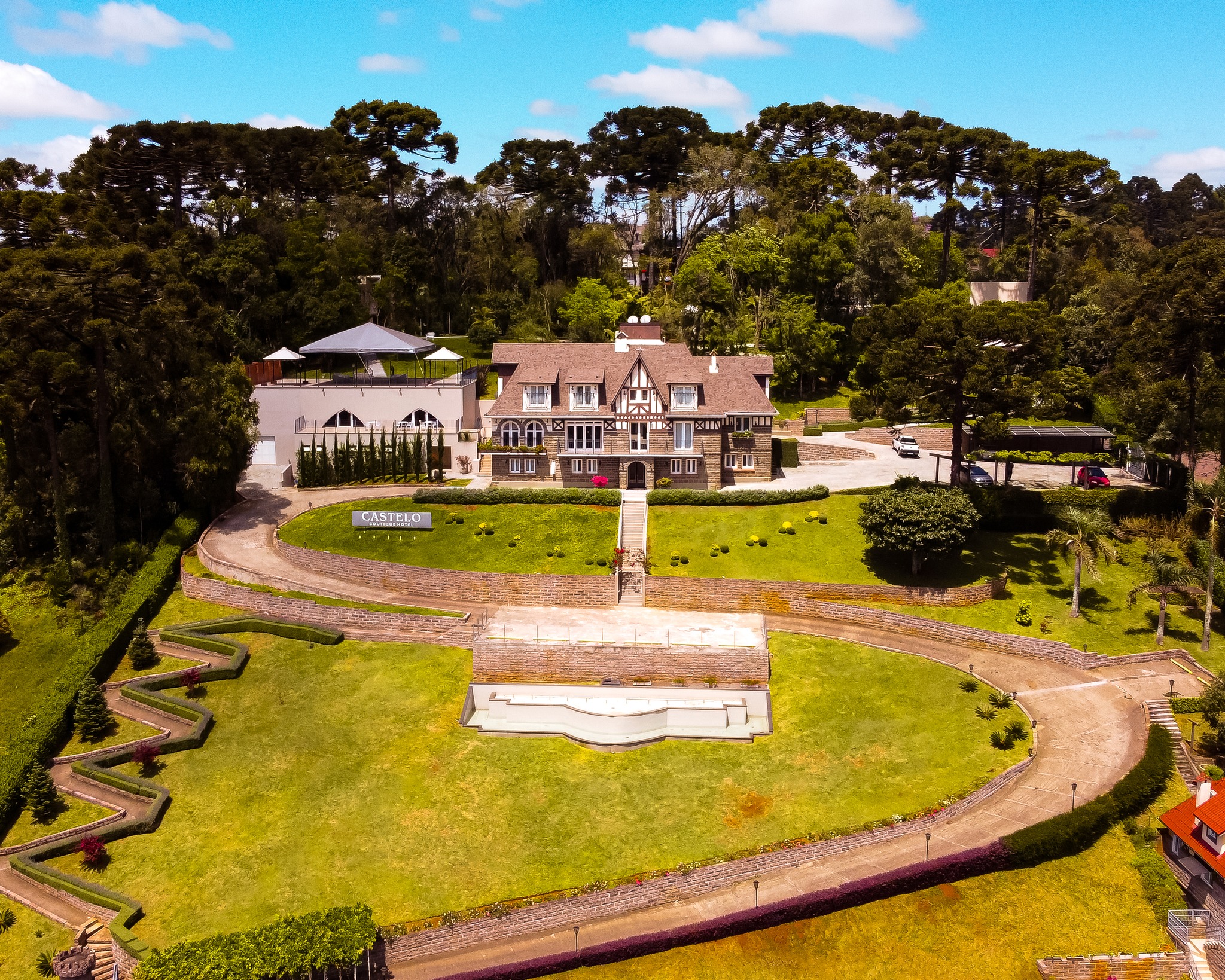
Abaixo está o Castelinho (mais sobre essa história nesse link) e do outro lado fica o Hotel Renar.
Unten sehen wir das Castelinho (mehr zu dieser Geschichte unter diesem Link), und auf der anderen Seite befindet sich das Hotel Renar.
Below is the Castelinho (more about this story at this link), and on the other side is Hotel Renar.
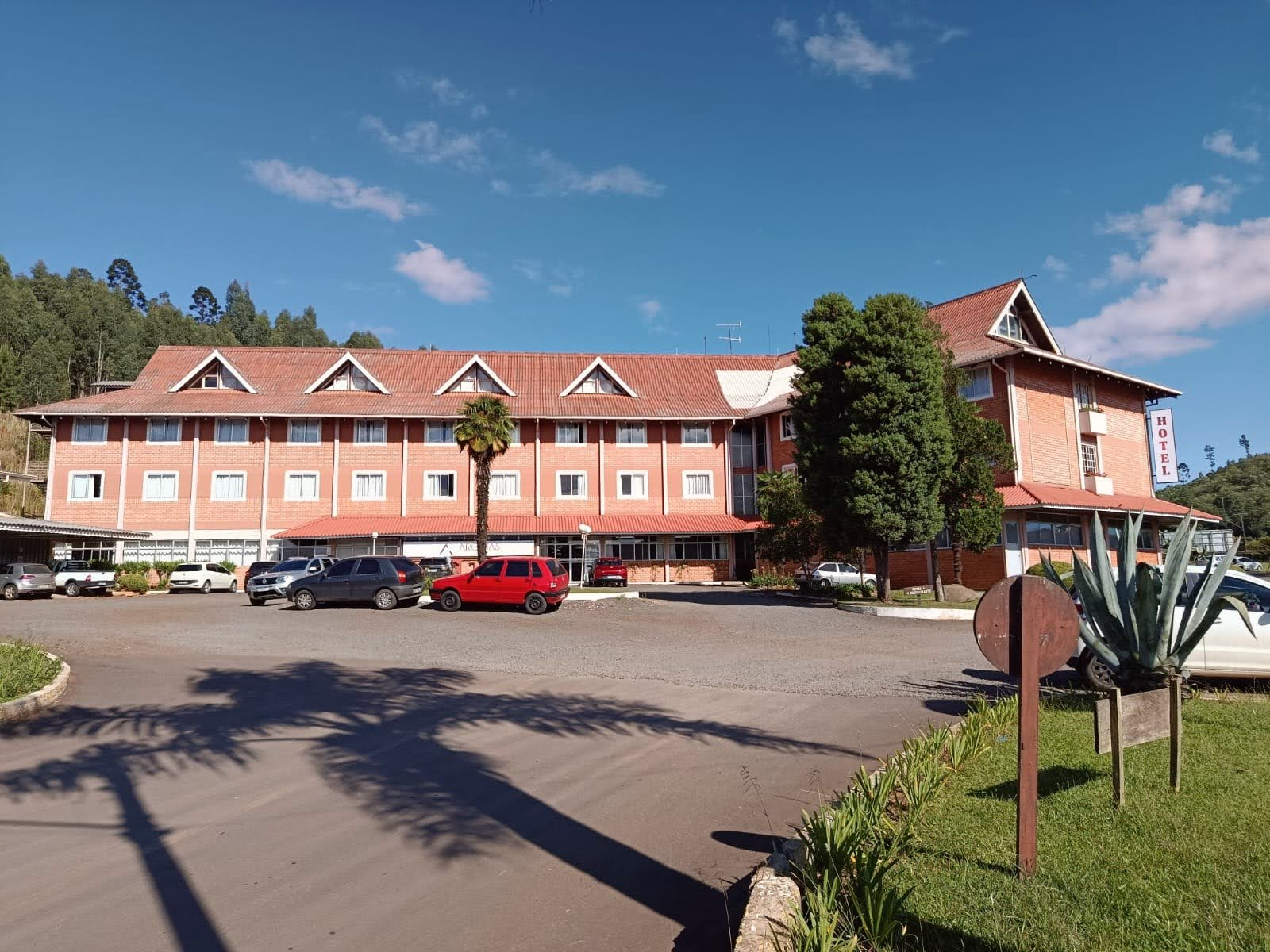
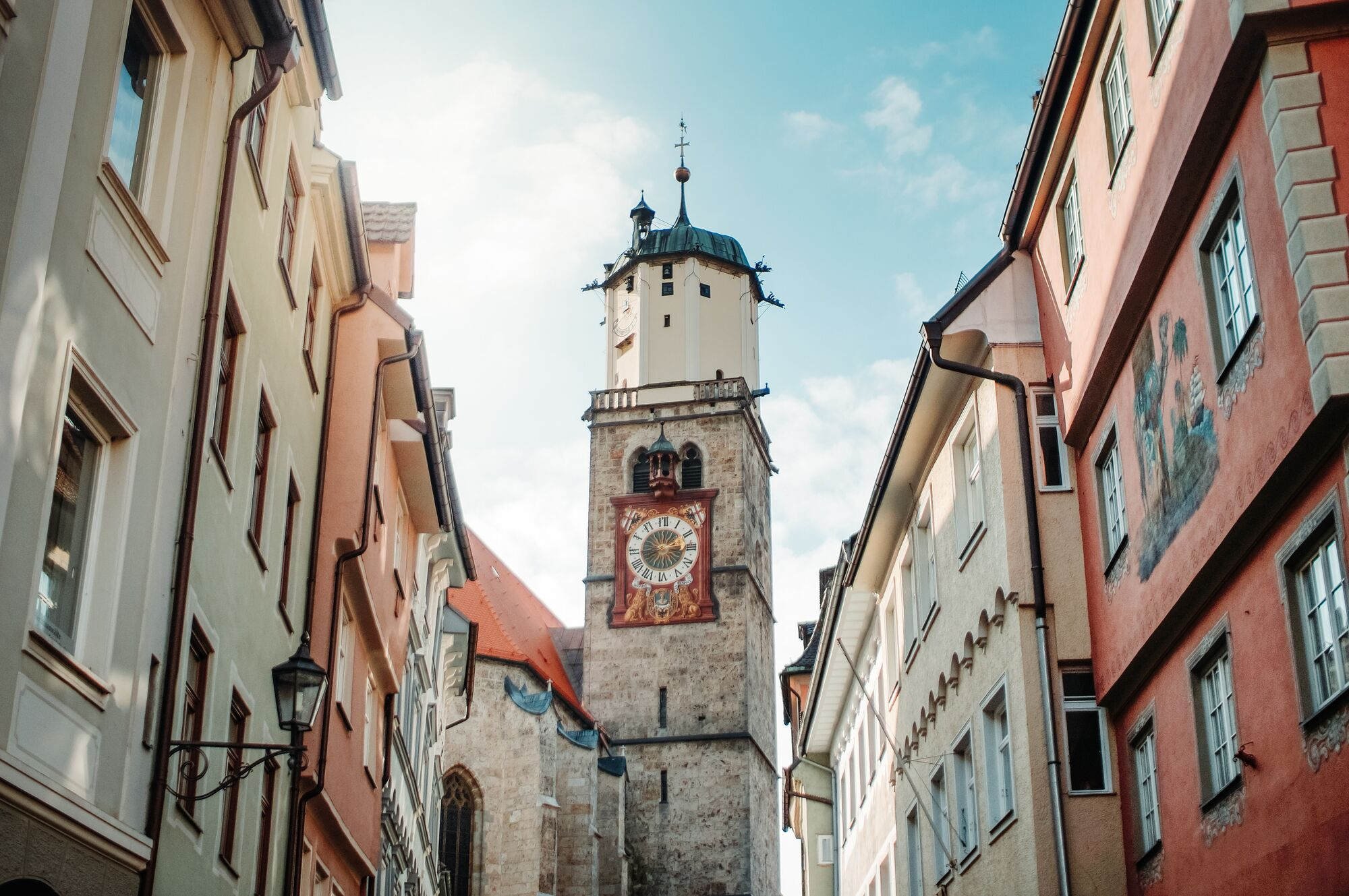
Castelinho – A nno 1964.Hotel Fraiburgo – Anno 1995 / Foto de Diego TrombettaHotel Engelkeller Anno 1500s / Hotel 2000Hotel am Schrannenplatz Anno 1432 – Hotel 2016Joesepp´s Hotel Am Hallhof (Anno 1200–1400) / Hotel 2002
JG Hotel & Restaurant – Anno 2020
04 – Prefeitura / Rathaus / City Hall
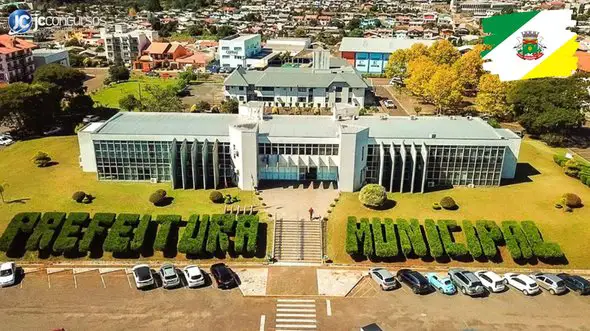
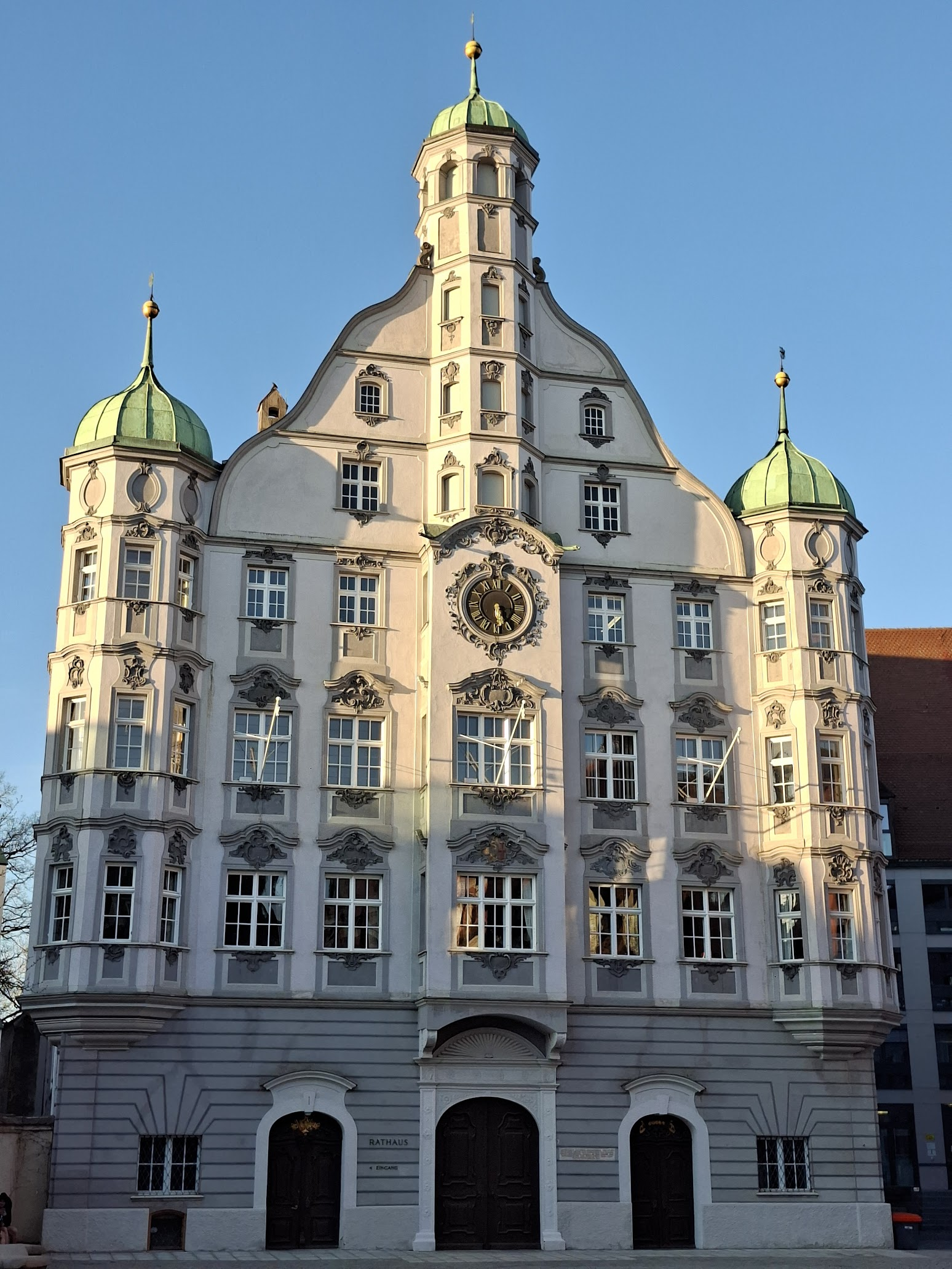
Prefeitura de Fraiburgo inauguração em 1984 / Rathaus Fraiburgo Einweihung im Jahr 1984 / Fraiburgo City Hall inauguration in 1984Prefeitura de Memmingen inauguração em 1589 / Rathaus Memmingen Einweihung im Jahr 1589 / Memmingen City Hall inauguration in 1589
05 – Igrejas / Kirchen / Churches
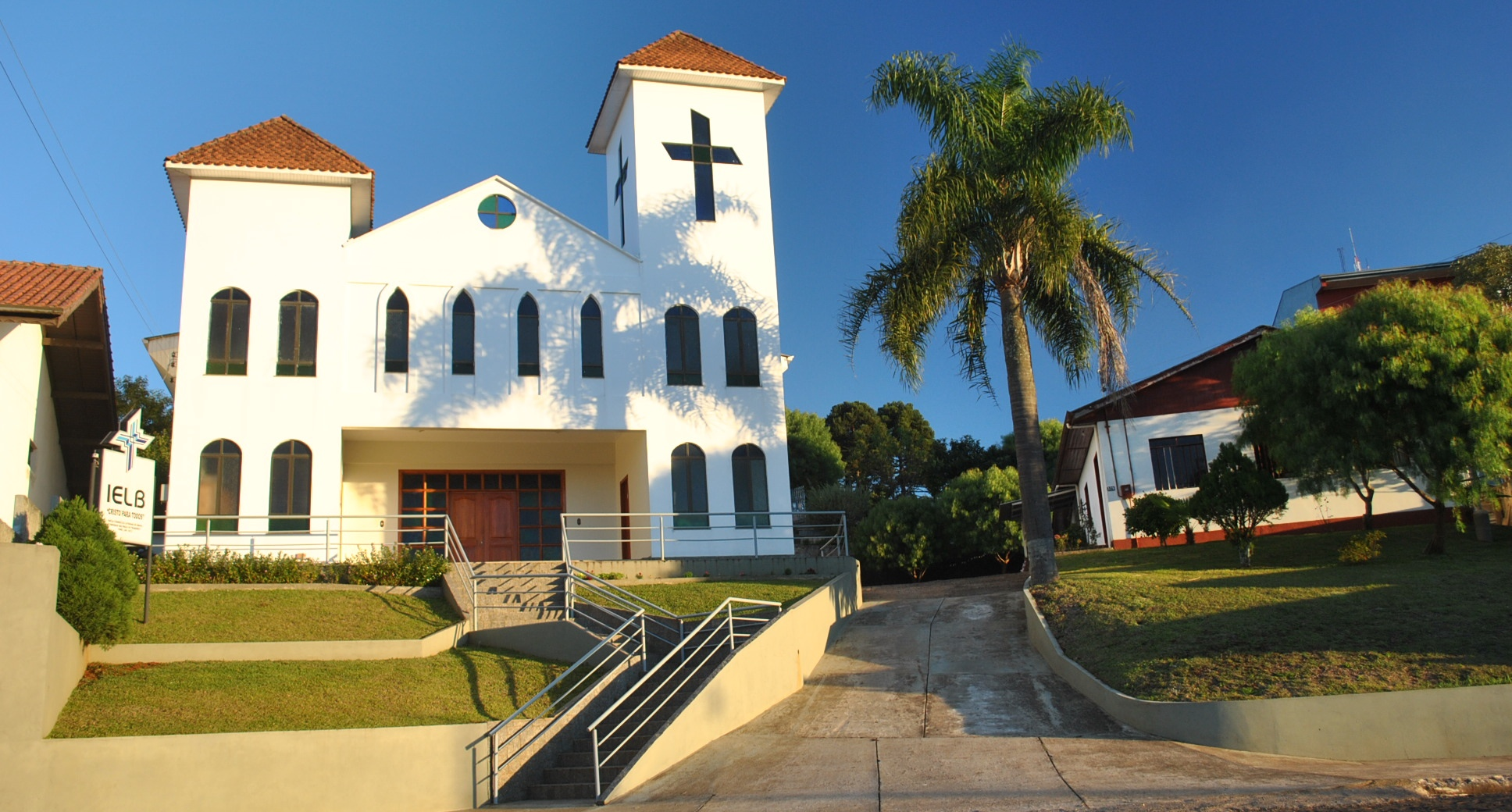
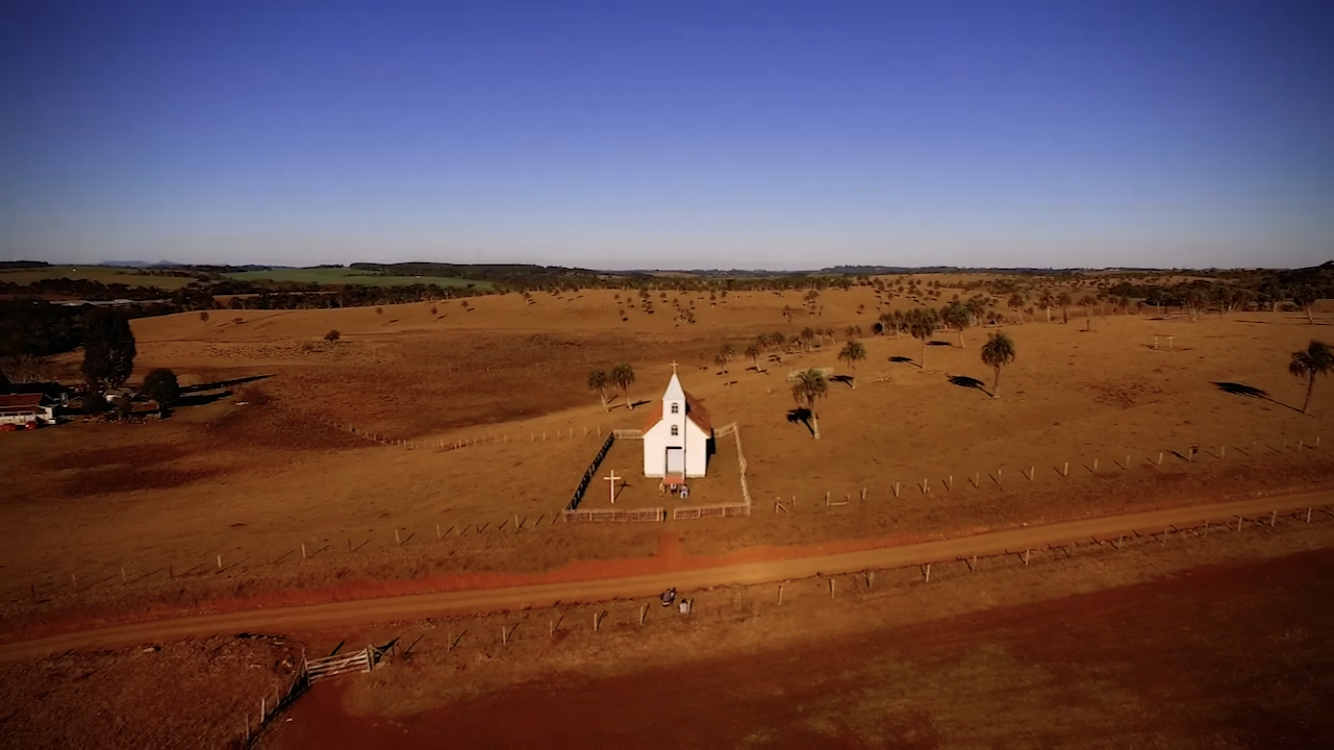
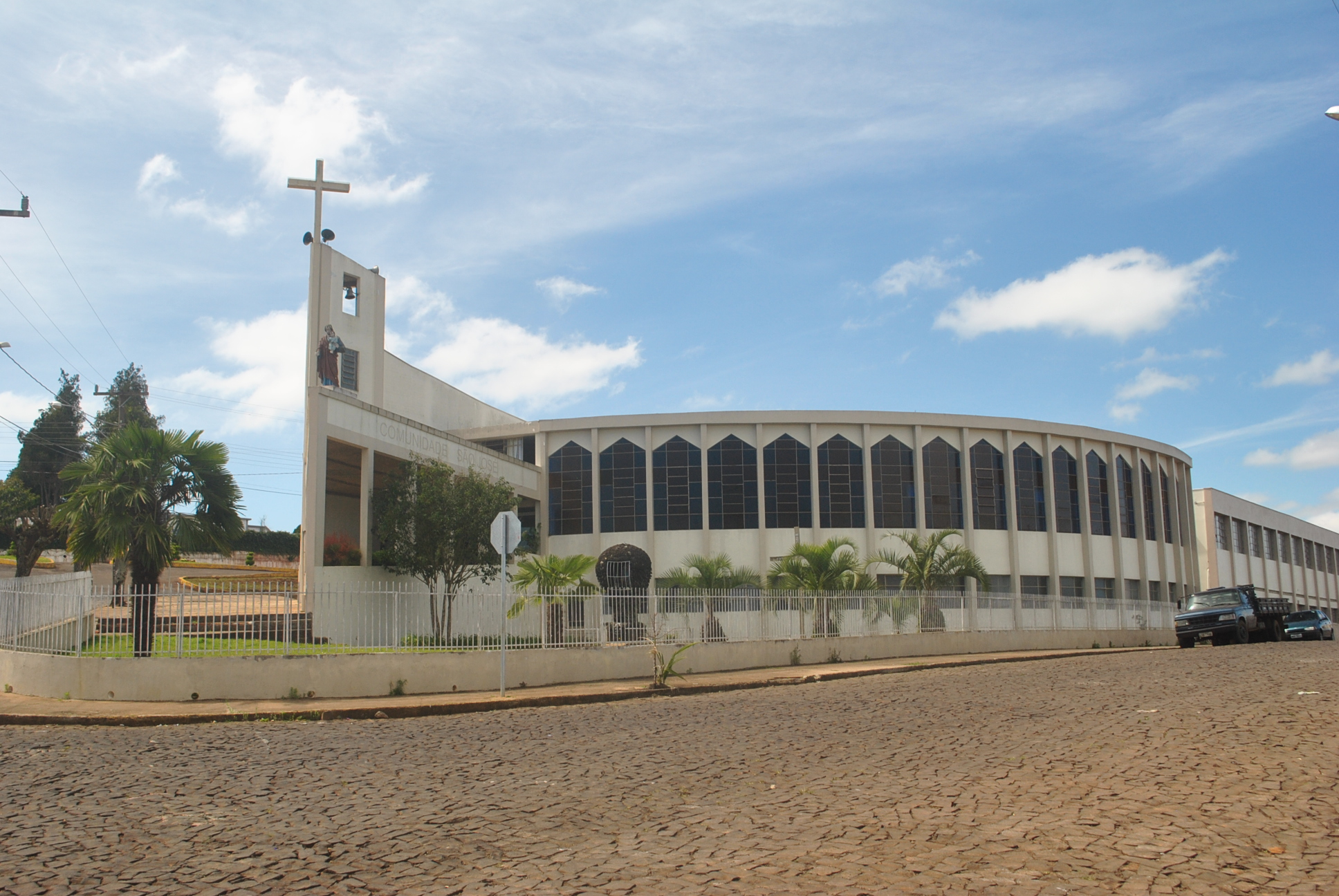
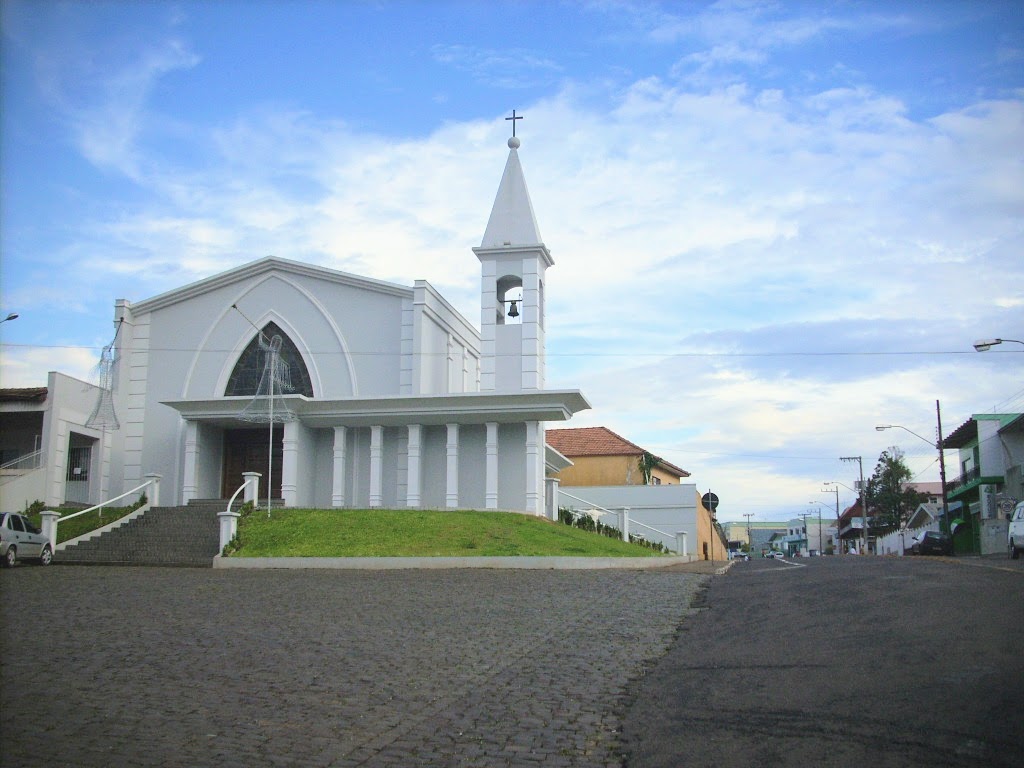
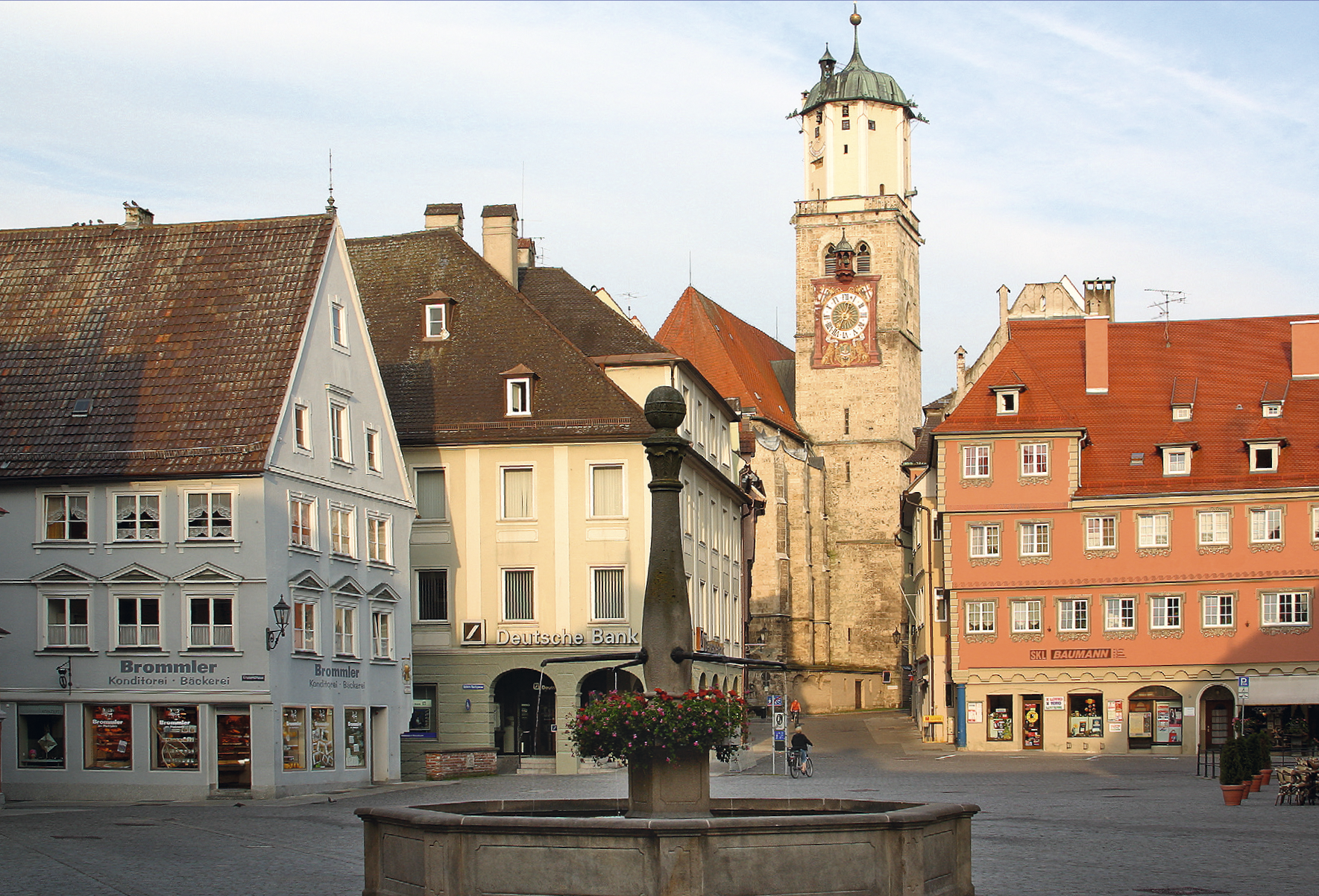
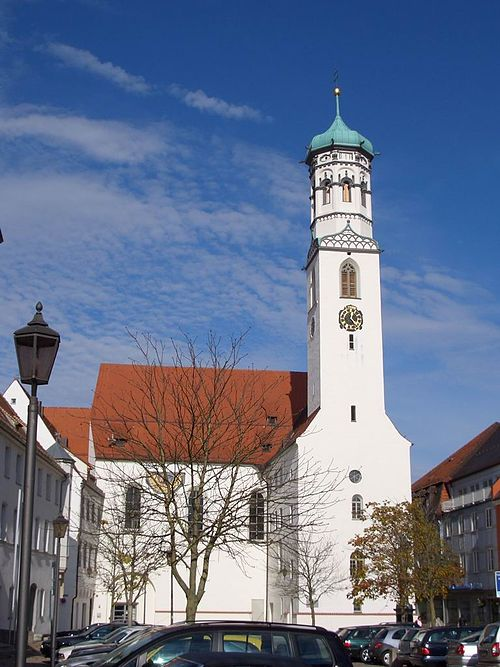
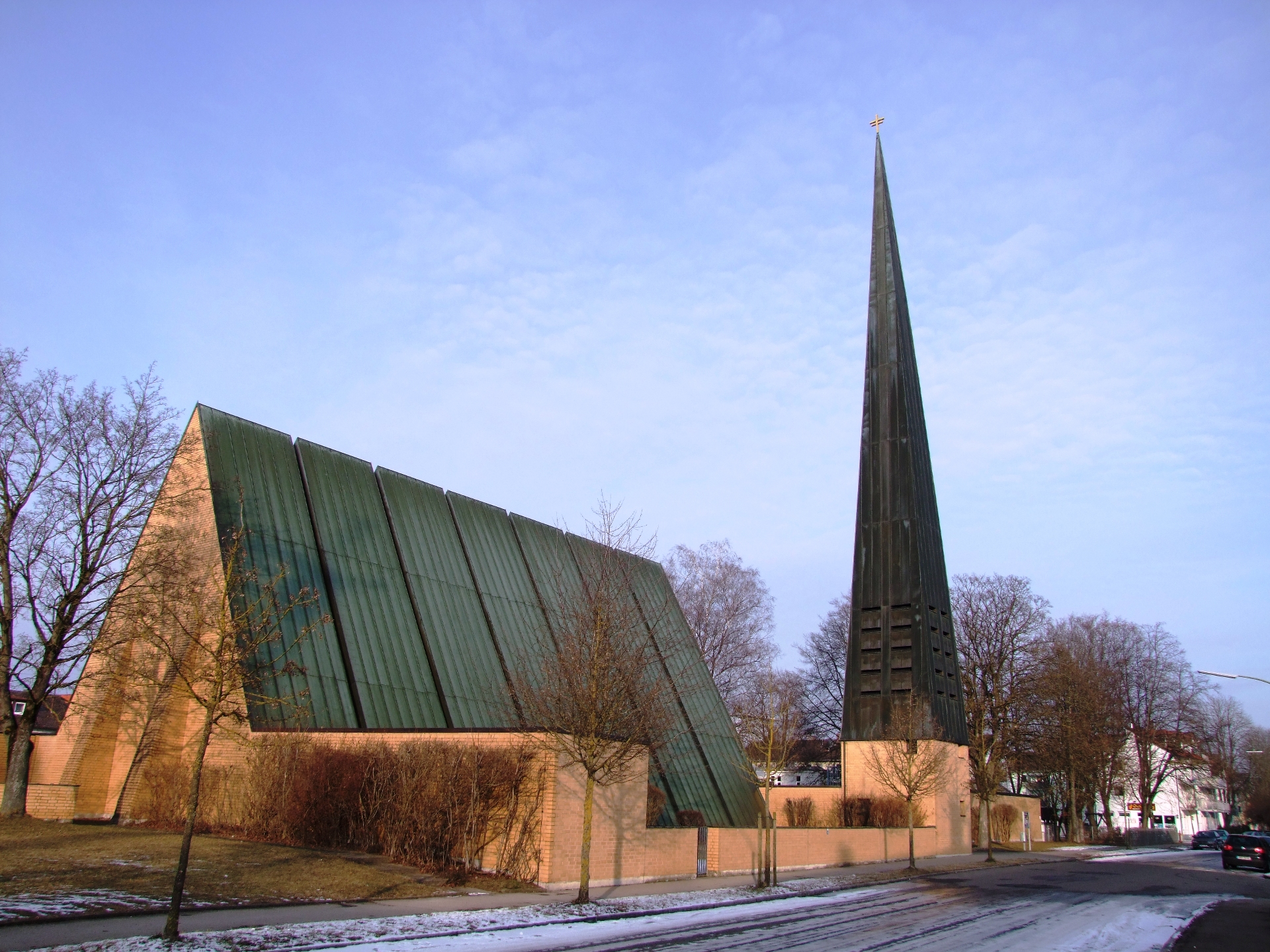
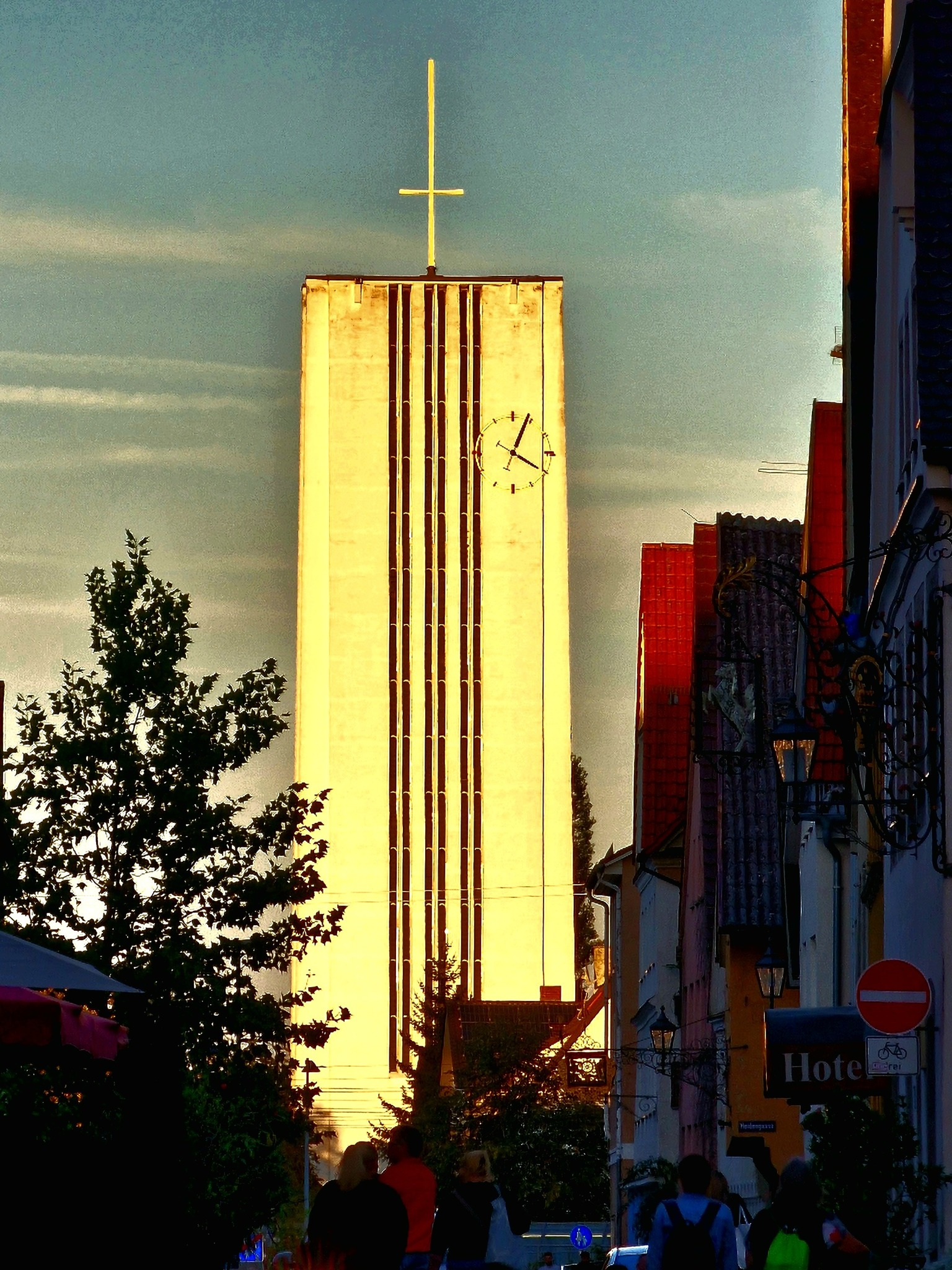
Igreja Luterana IECLBIgreja Luterana IELBIgreja do November Rain / November Rain ChurchIgreja Católica / São JoséIgreja Católica FraiburgoSt. Martin KircheKreuzherrenkircheIgreja EvangelicaMariä Himmelfahrt por Su Sanna GC
06 – Transportation
A rodoviária de Fraiburgo é bem imponente e fica em uma das partes mais altas da cidade, logo na chegada, ela faz o papel do que seria o terminal de trens de Memmingen, é o que liga Fraiburgo as cidades vizinhas e outros estados.
Der Busbahnhof von Fraiburgo ist ziemlich beeindruckend und liegt in einem der höchsten Teile der Stadt, gleich bei der Ankunft. Er erfüllt eine ähnliche Rolle wie der Bahnhof in Memmingen und verbindet Fraiburgo mit Nachbarstädten und anderen Bundesstaaten.
The bus terminal in Fraiburgo is quite impressive and is located in one of the highest parts of the city, right at the entrance. It plays a role similar to the train station in Memmingen, connecting Fraiburgo to neighboring cities and other states.
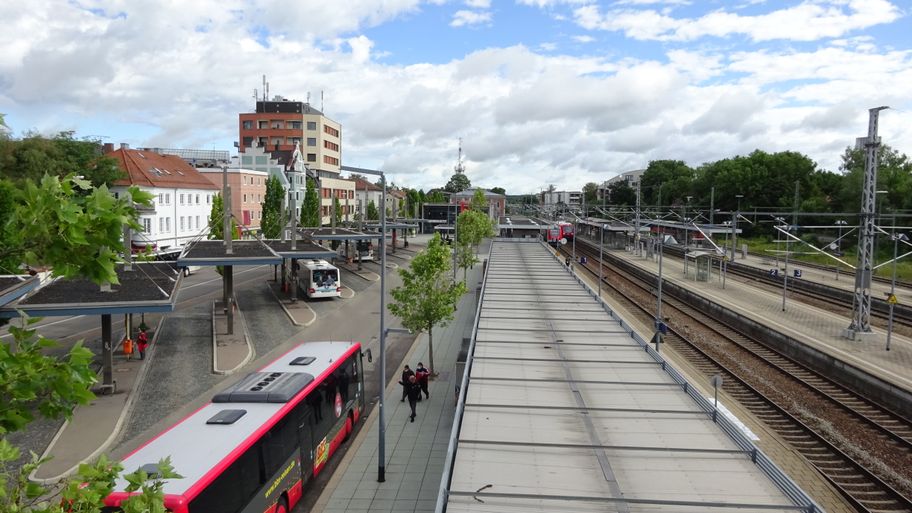
A central de ônibus de Memmingen fica junto com a estação central trem, fica tudo bem integradinho, facilita muito. Esses são os ônibus interbairros.
Der zentrale Busbahnhof in Memmingen befindet sich direkt neben dem Hauptbahnhof, alles ist sehr gut integriert und erleichtert vieles. Das sind die Stadtbusse.
The central bus station in Memmingen is located right next to the main train station, everything is well integrated, which makes things much easier. These are the local city buses.
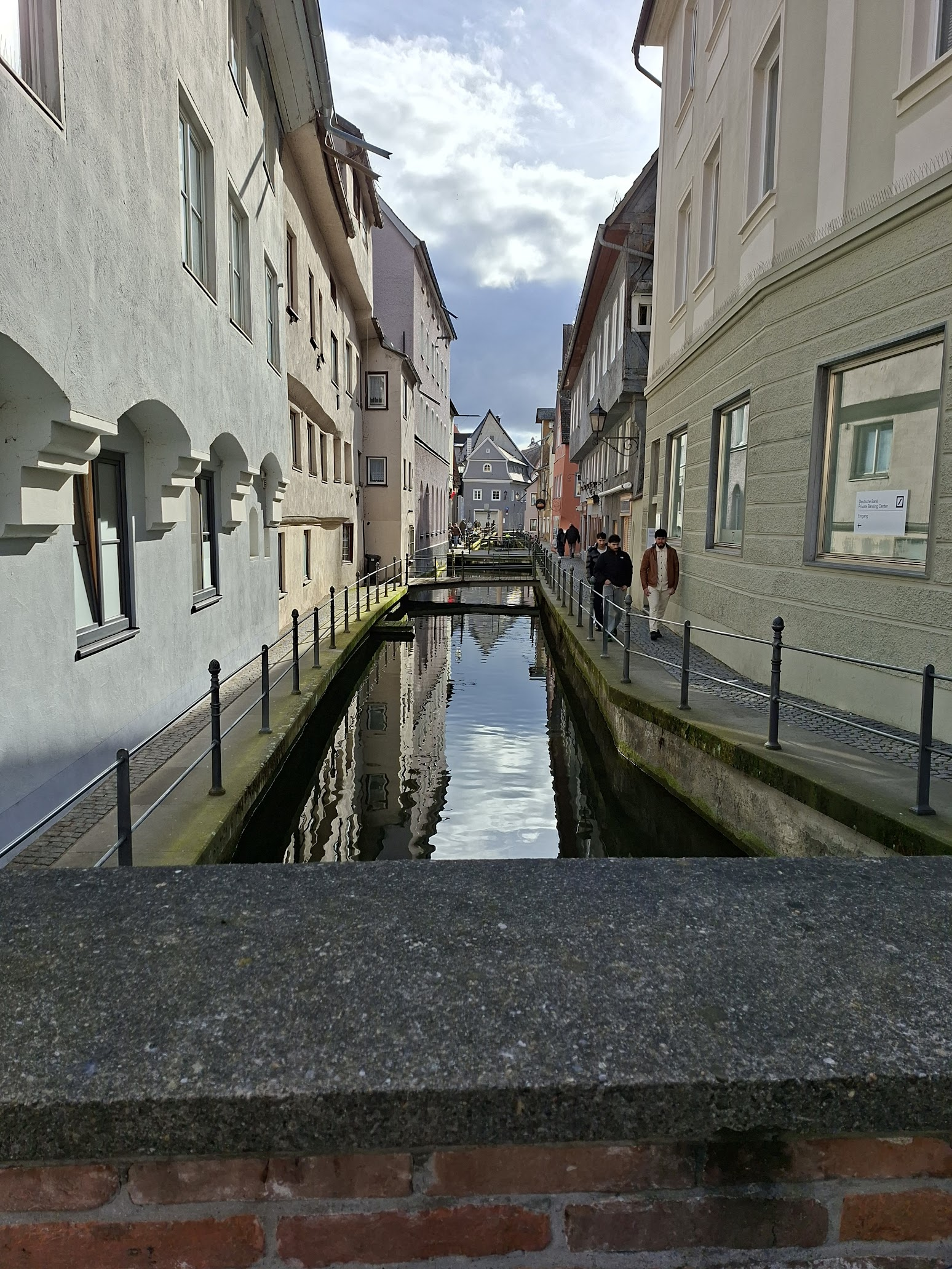
07 – Riachos / Bäche / Streams
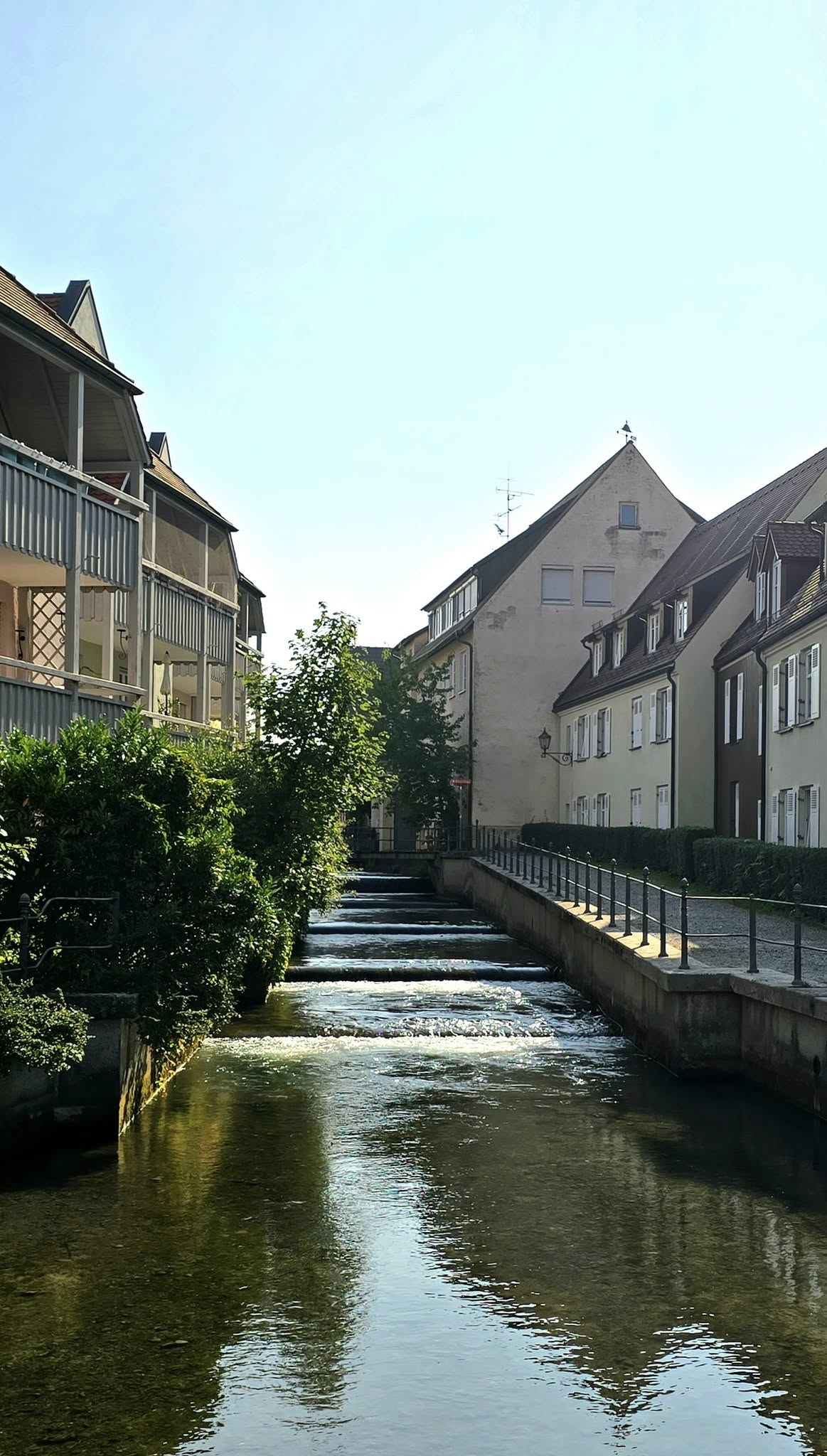
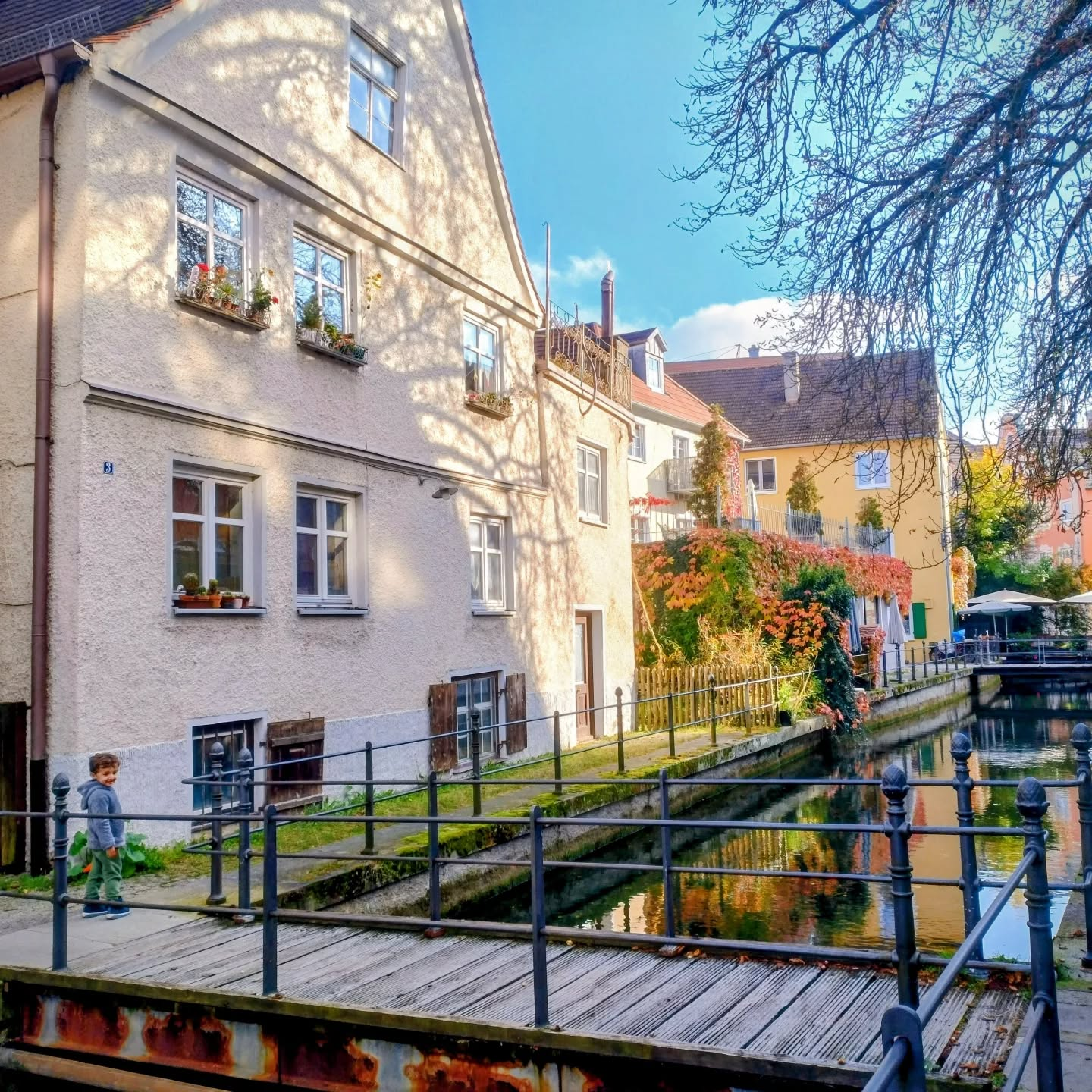
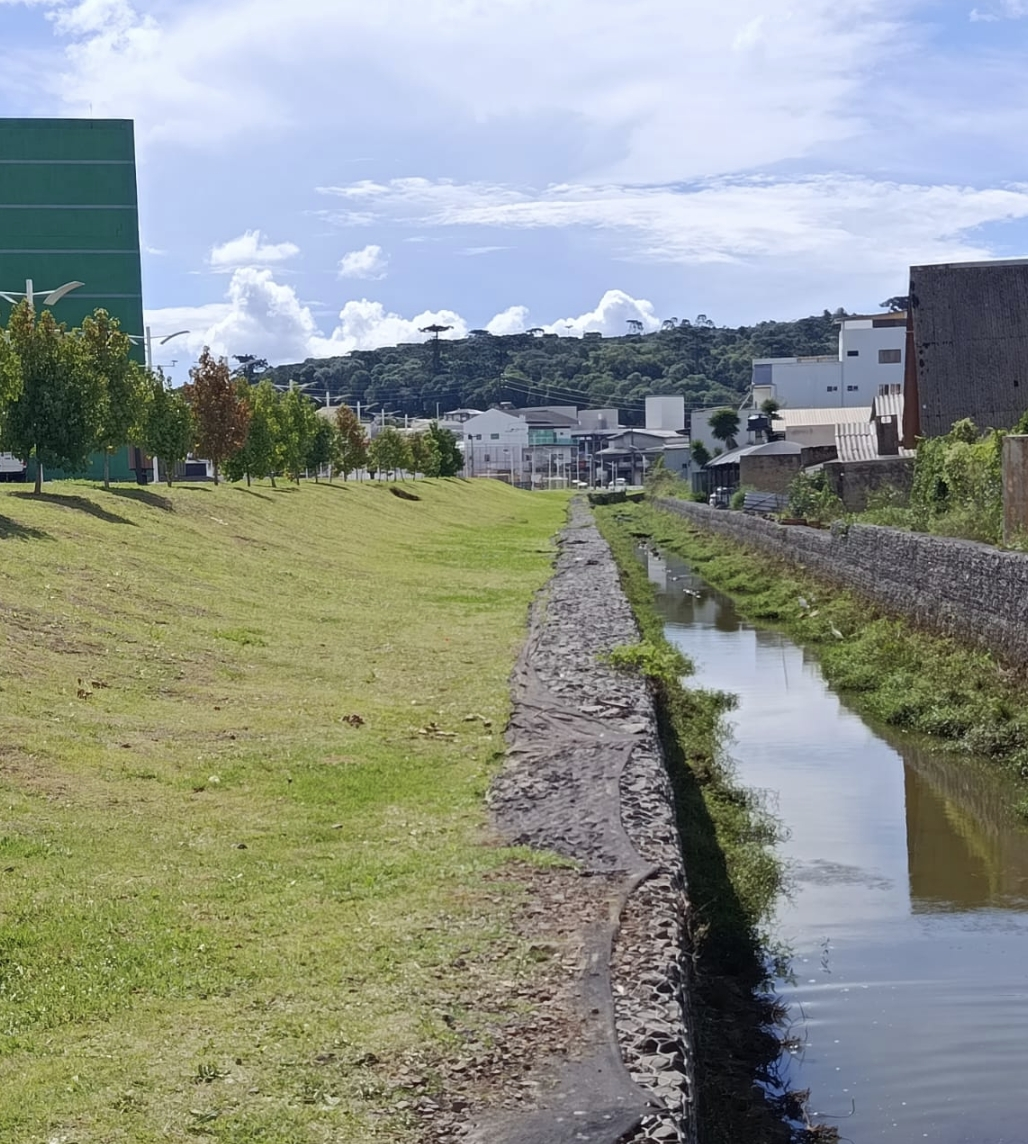
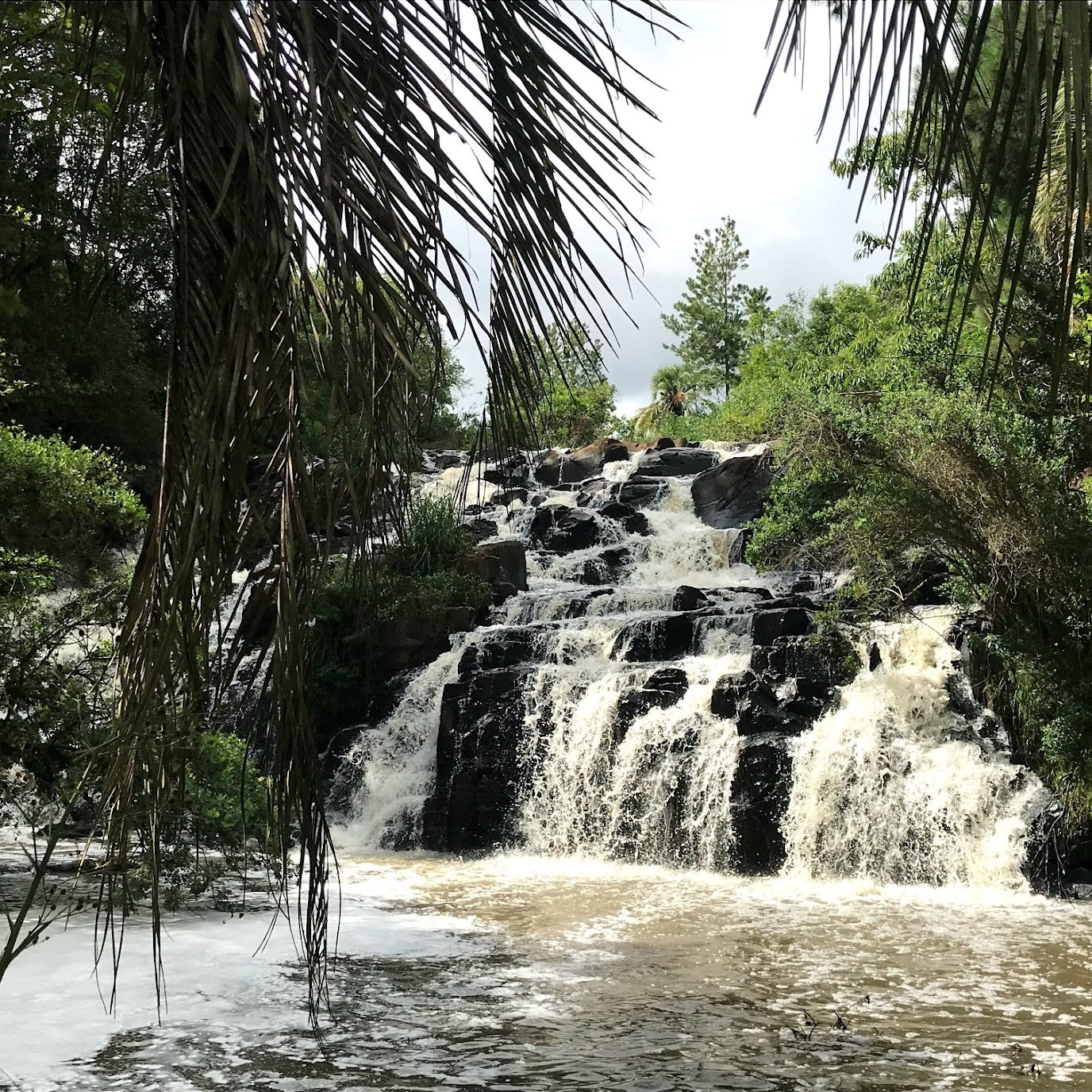
Ambas as cidades tem muitos riachos, Fraiburgo está a 1100 metros do nível do mar enquanto Memmingen 600, Fraiburgo tem mais cachoeiras. Ambas tem seus riachos cruzando o centro da cidade.
Beide Städte haben viele Bäche. Fraiburgo liegt auf etwa 1.100 Metern über dem Meeresspiegel, während Memmingen auf etwa 600 Metern liegt. Fraiburgo hat mehr Wasserfälle. In beiden Städten durchqueren Bäche das Stadtzentrum.
Both cities have many streams. Fraiburgo is at about 1,100 meters above sea level, while Memmingen is at about 600 meters. Fraiburgo has more waterfalls. In both cities, streams run through the city center.
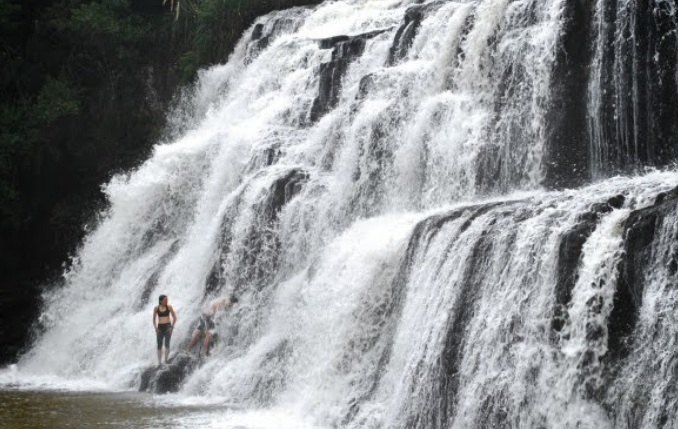
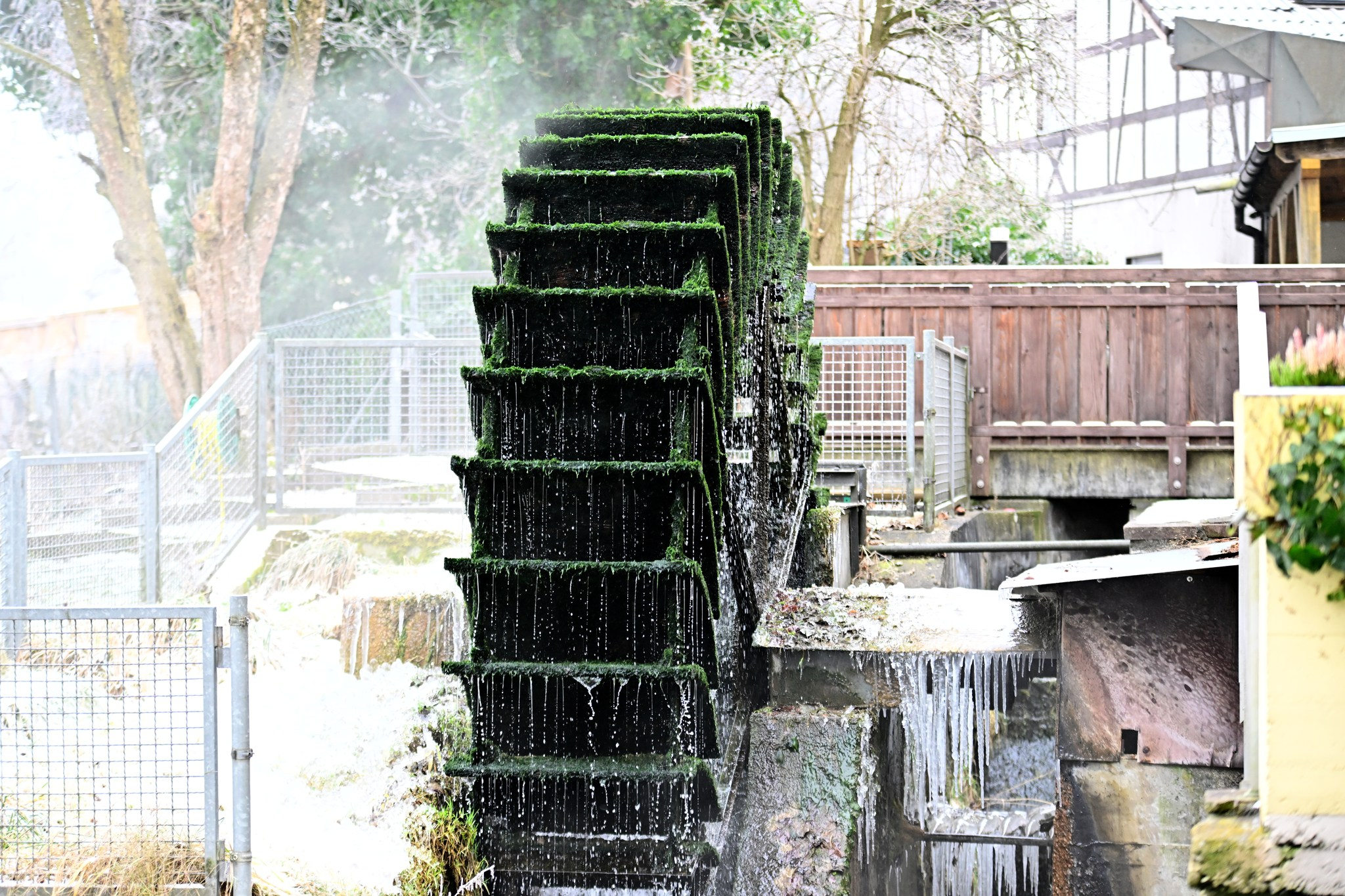
Alguns quilômetros à frente, esse pequeno arroio se transforma na cachoeira abaixo.
Einige Kilometer weiter verwandelt sich dieser kleine Bach in den Wasserfall unten
A few kilometers ahead, this small stream turns into the waterfall below.
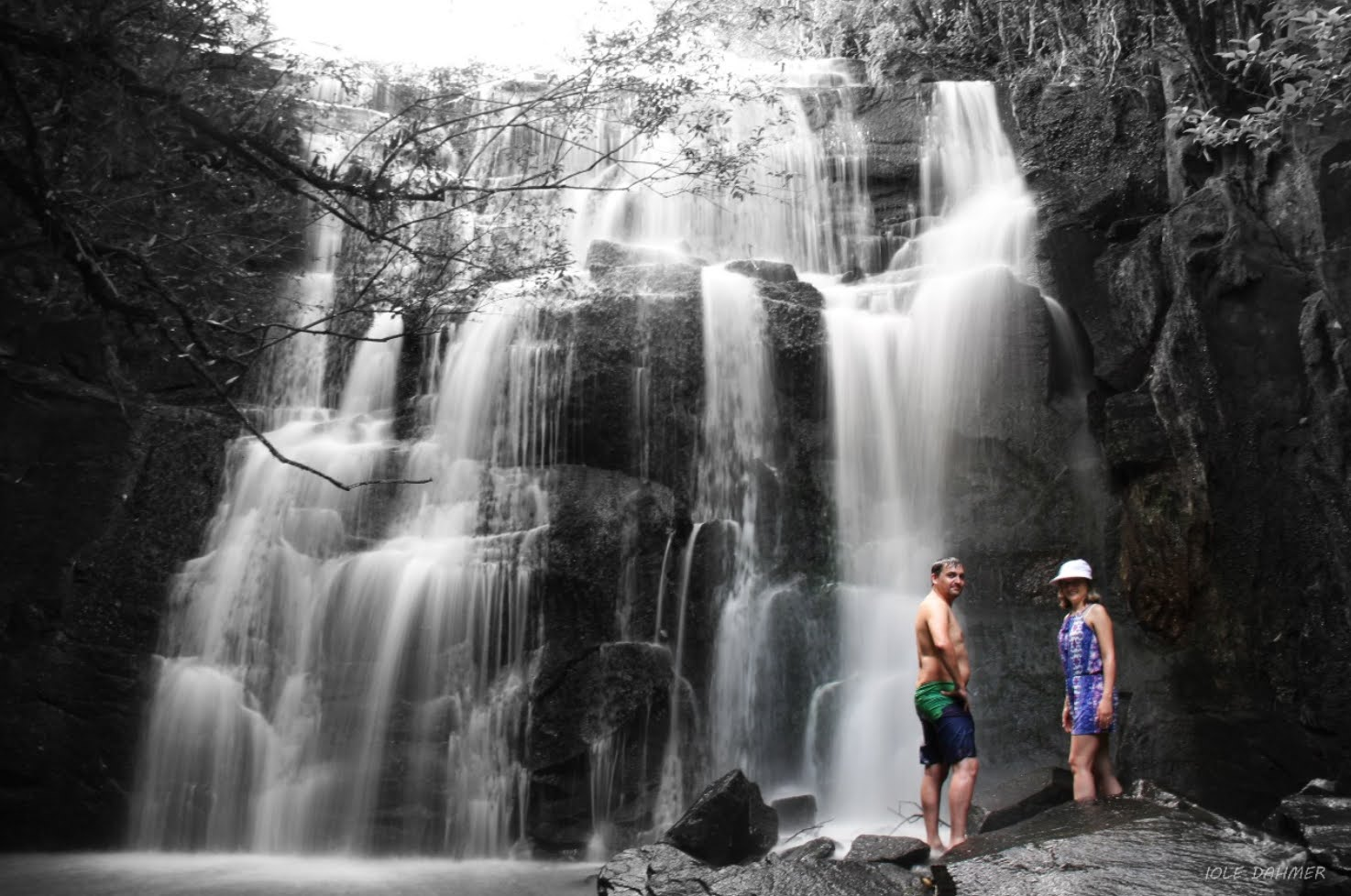
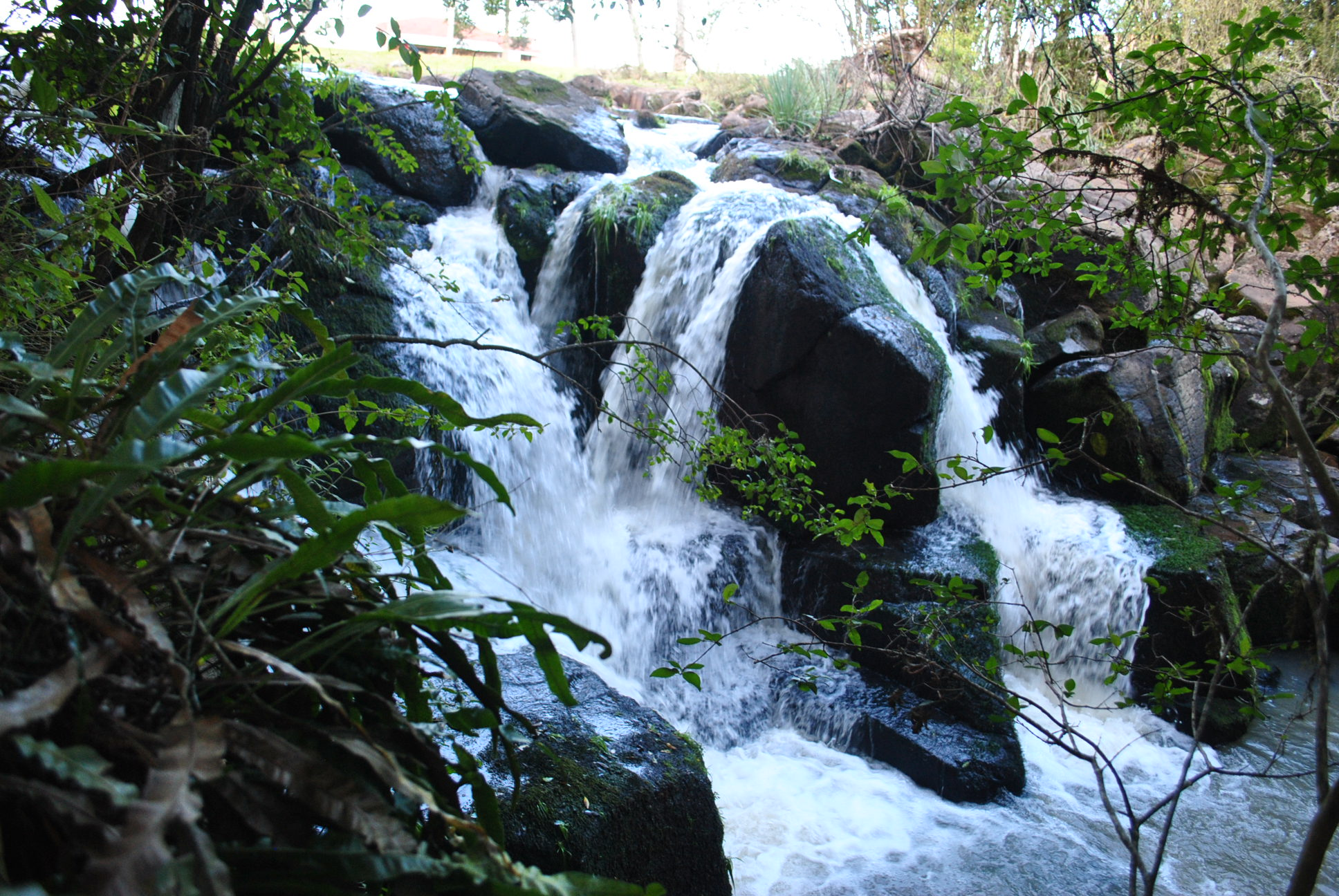
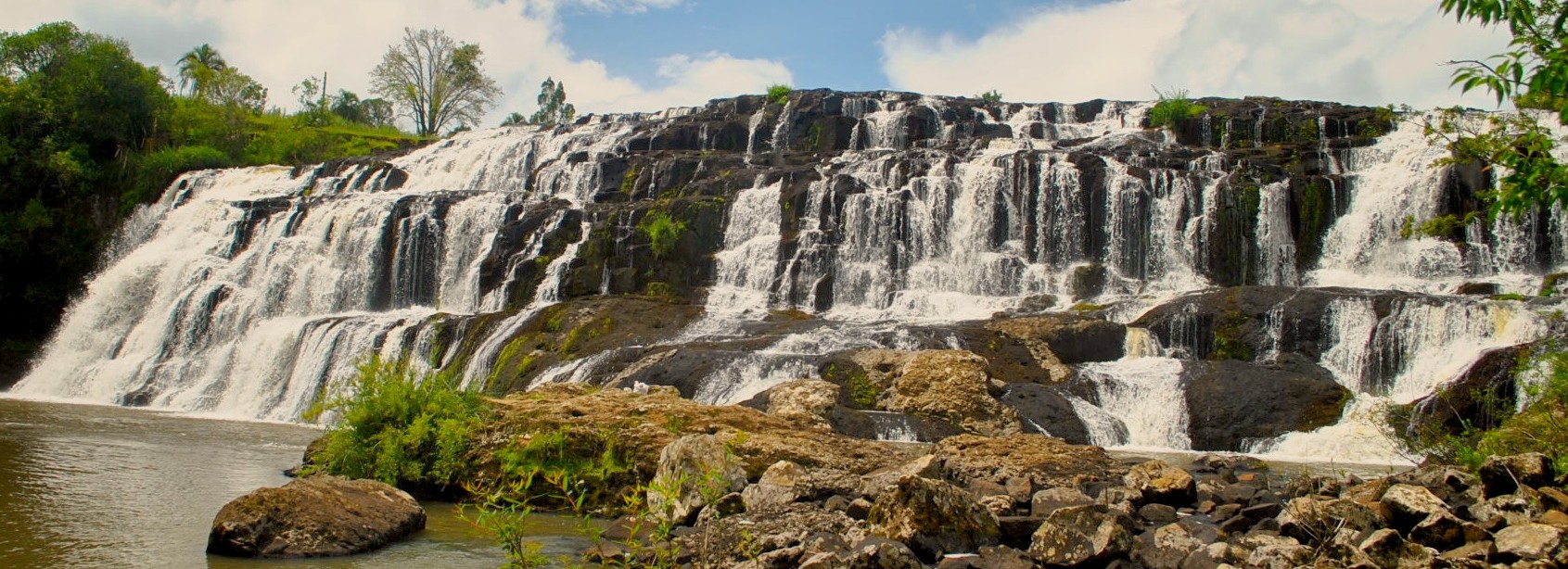
Aqui já são outras cascatas espalhadas nas proximidades de Fraiburgo.
Hier sind weitere Wasserfälle, die in der Umgebung von Fraiburgo verteilt sind.
Here are other waterfalls spread across the surroundings of Fraiburgo.
Cachoeira do Paredão – Foto Iole DahmerCachoeira do Sítio dos RochaCachoeira Rio dos Patos (bem próxima a Fraiburgo, bonita de mais para não mostrar ao mundo).
08 – Lagos / Seen / Lakes
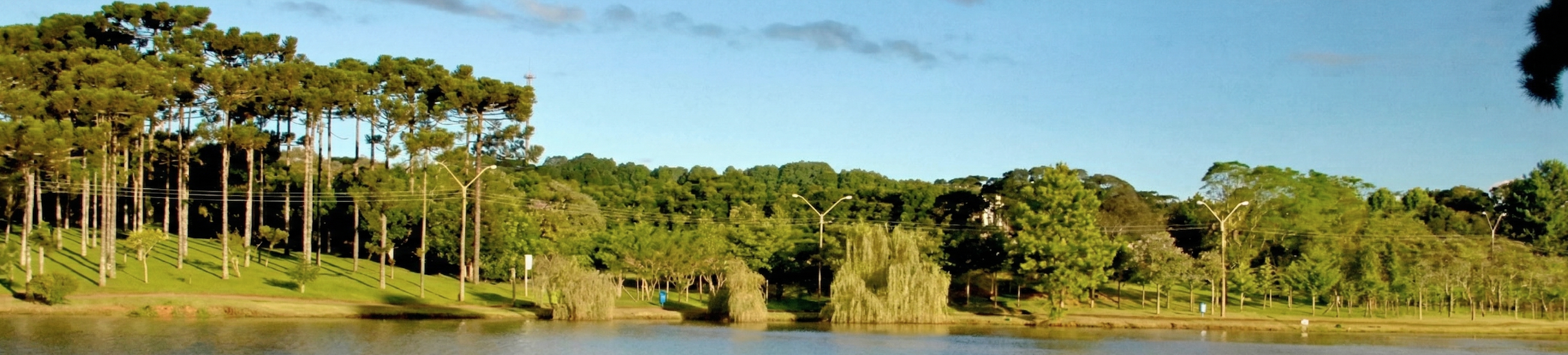
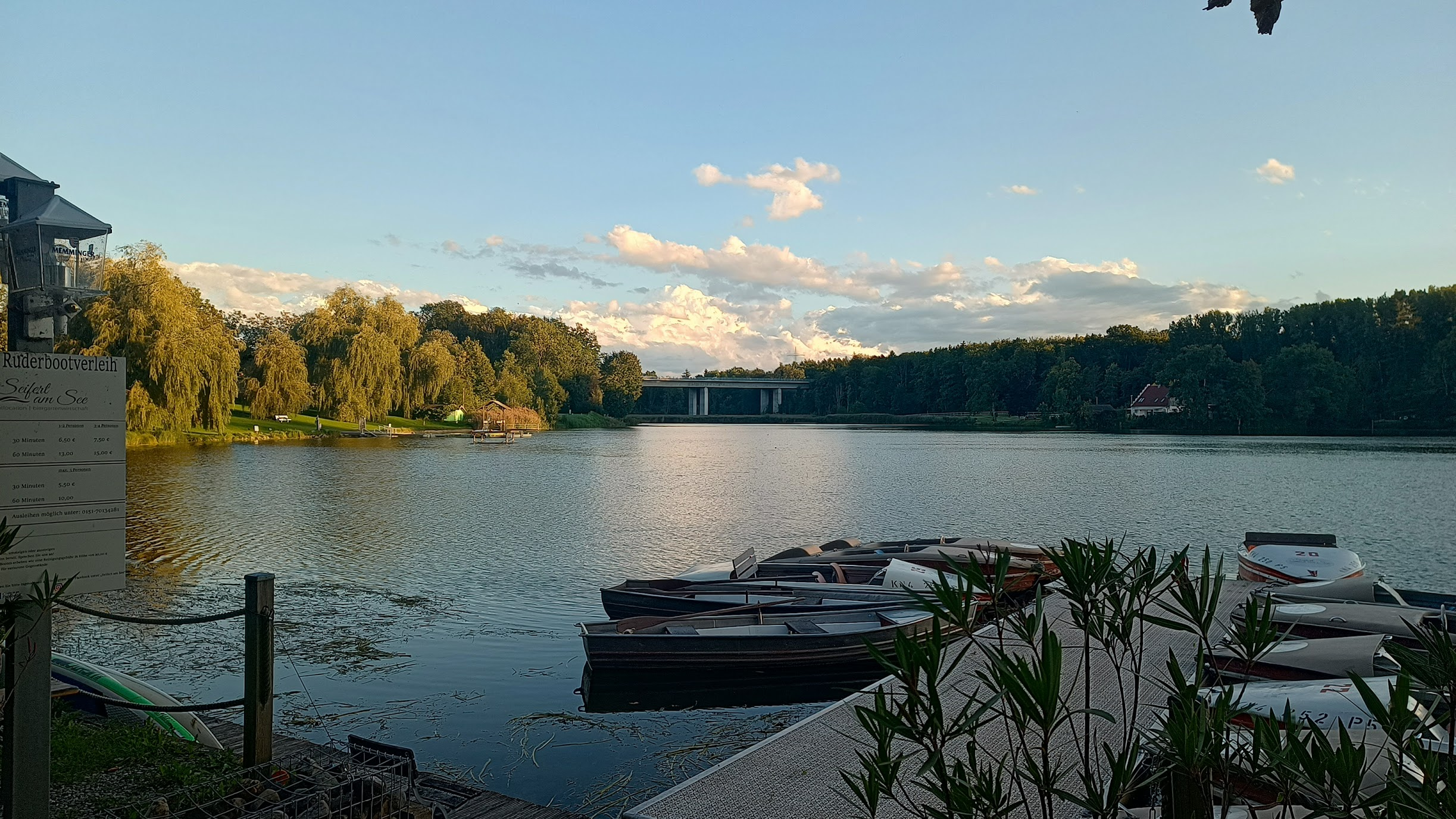
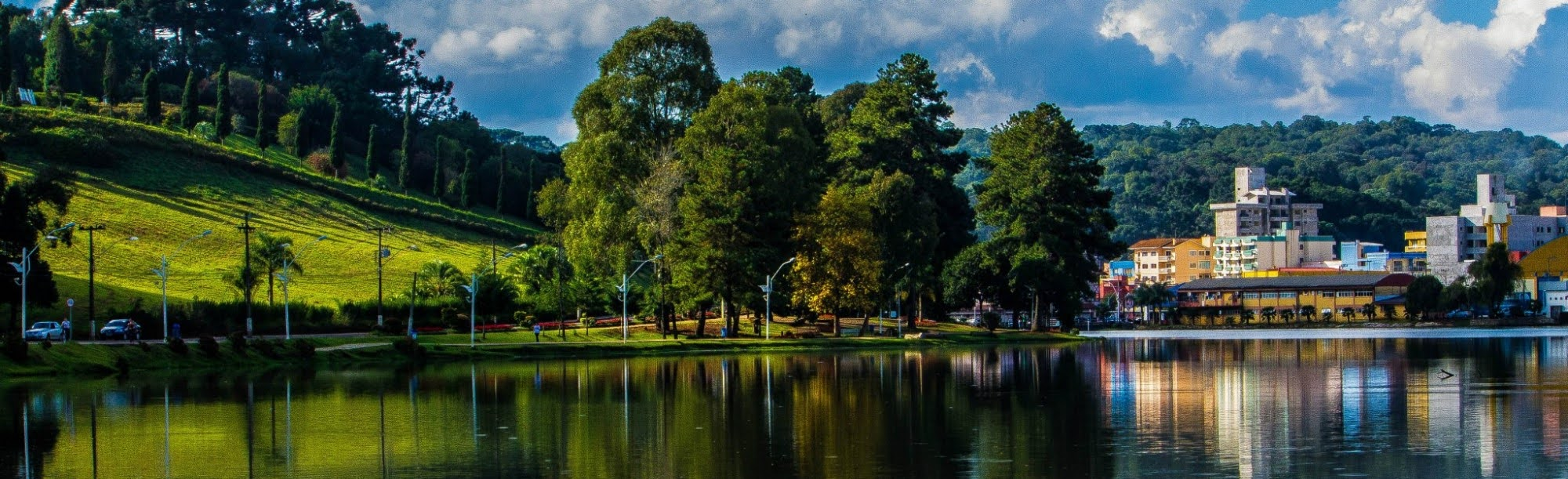
No centro da cidade temos um açude que chamamos de lago e que se parece muito com o açude de Buxheim (bem próximo de Memmigen).
Im Stadtzentrum haben wir einen Teich, den wir „Lago“ nennen und der dem Weiher in Buxheim (ganz in der Nähe von Memmingen) sehr ähnelt.
In the city center, we have a pond that we call a “lake,” which is very similar to the one in Buxheim (very close to Memmingen).
Lago das Araucárias – Fraiburgo
Buxheim (close to Memmingen)Lago das Araucárias – Fraiburgo
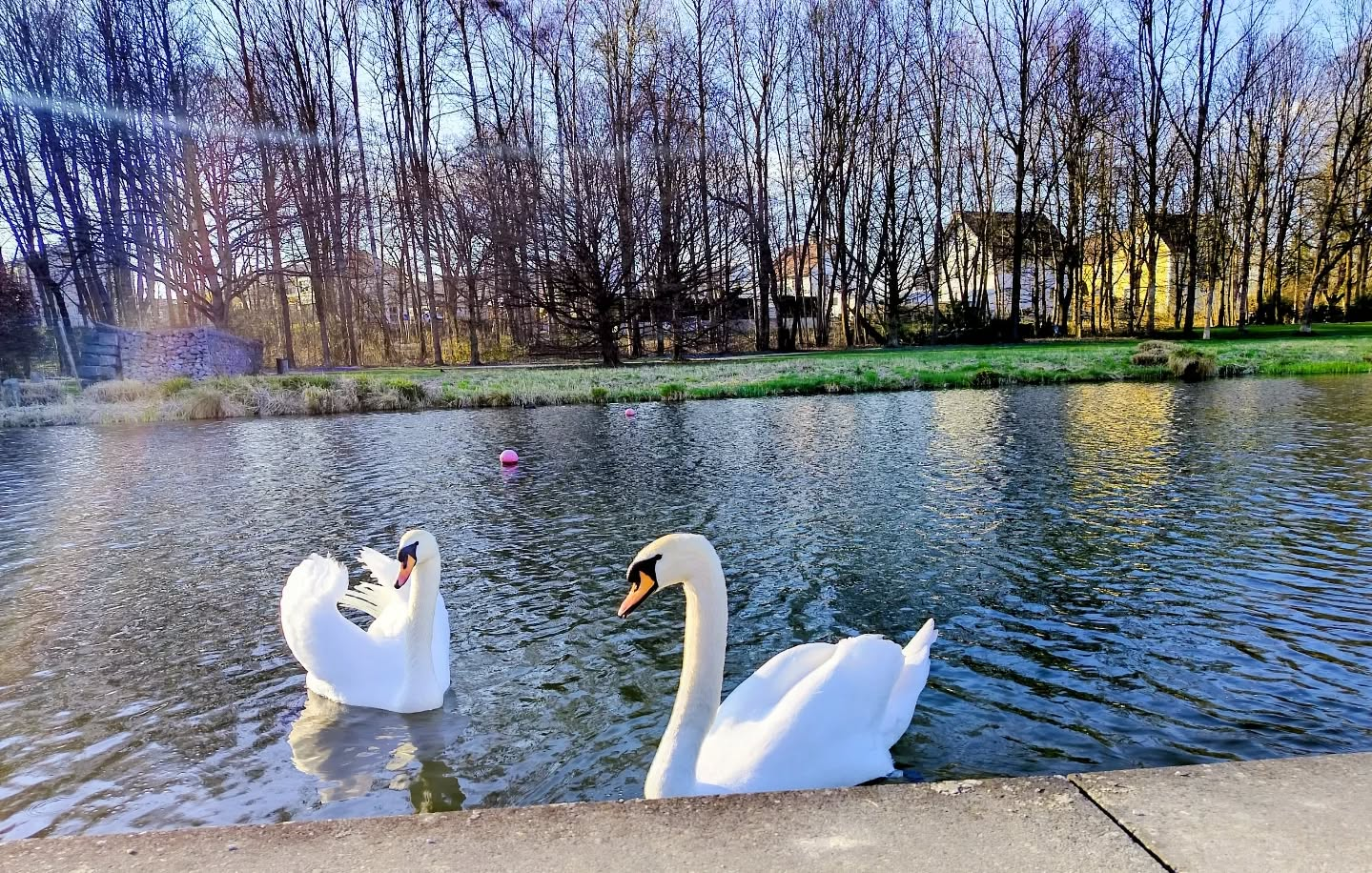
Se por um lado Memmingem tem cisnes no lago da cidade…
Einerseits hat Memmingen Schwäne im Stadtsee
On the one hand, Memmingen has swans in the city lake…
Parque Neue Welt / Memmingen
Nós por outro lado temos Capivaras…
Wir hingegen haben Capybaras…
On the other hand, we have capybaras…
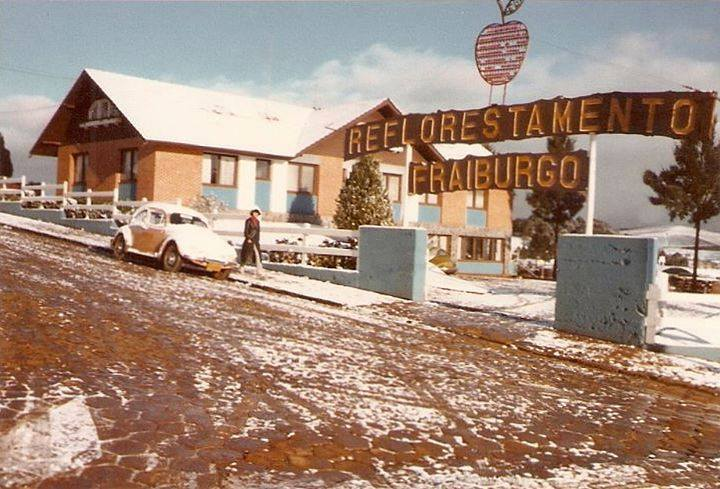
Neve / Schnee / Snow
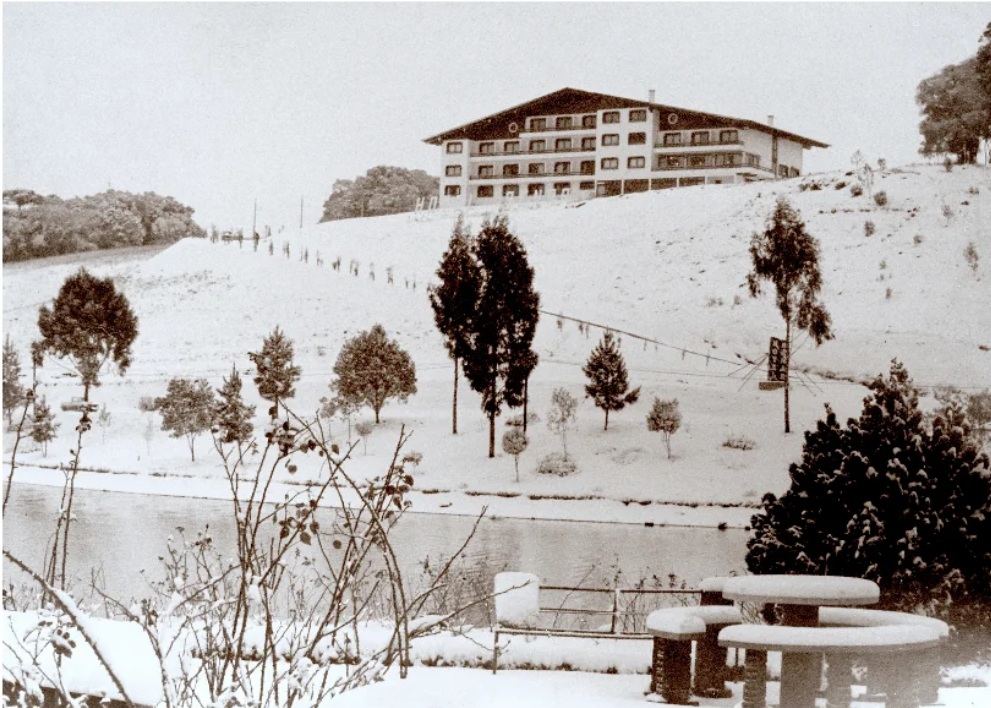
Fraiburgo está no sul do país e a mais de 1000 metros do nível do mar, tem invernos bastante frios, mas a neve não é tão comum como em Memmingen. Aqui vão algumas fotos históricas.
Fraiburgo liegt im Süden des Landes und auf über 1.000 Metern über dem Meeresspiegel. Die Winter sind recht kalt, aber Schnee ist nicht so häufig wie in Memmingen. Hier sind einige historische Fotos.
Fraiburgo is located in the southern part of the country and at over 1,000 meters above sea level. Winters are quite cold, but snow is not as common as in Memmingen. Here are some historical photos.
Hotel Renar, neve na década de 80.
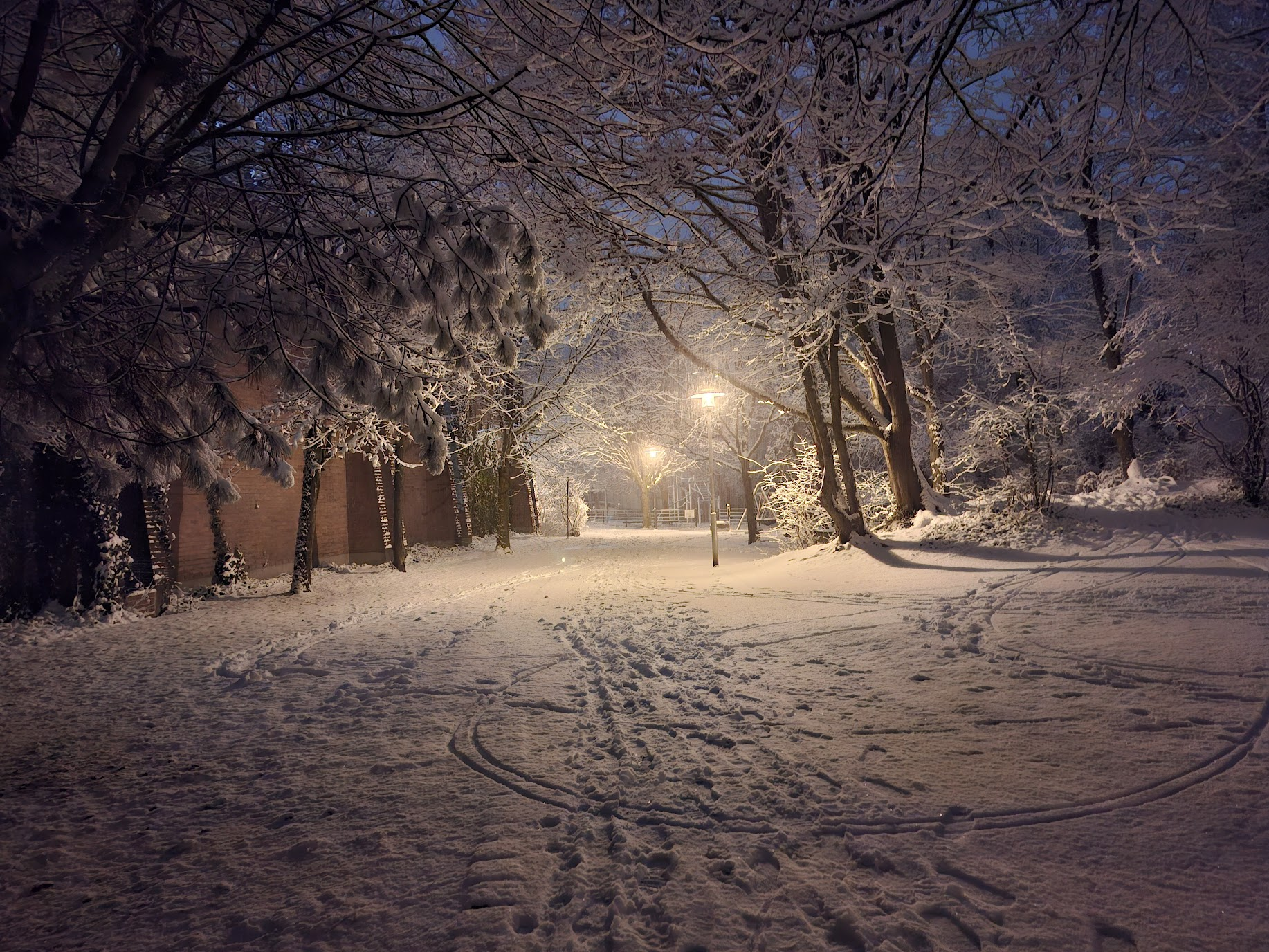
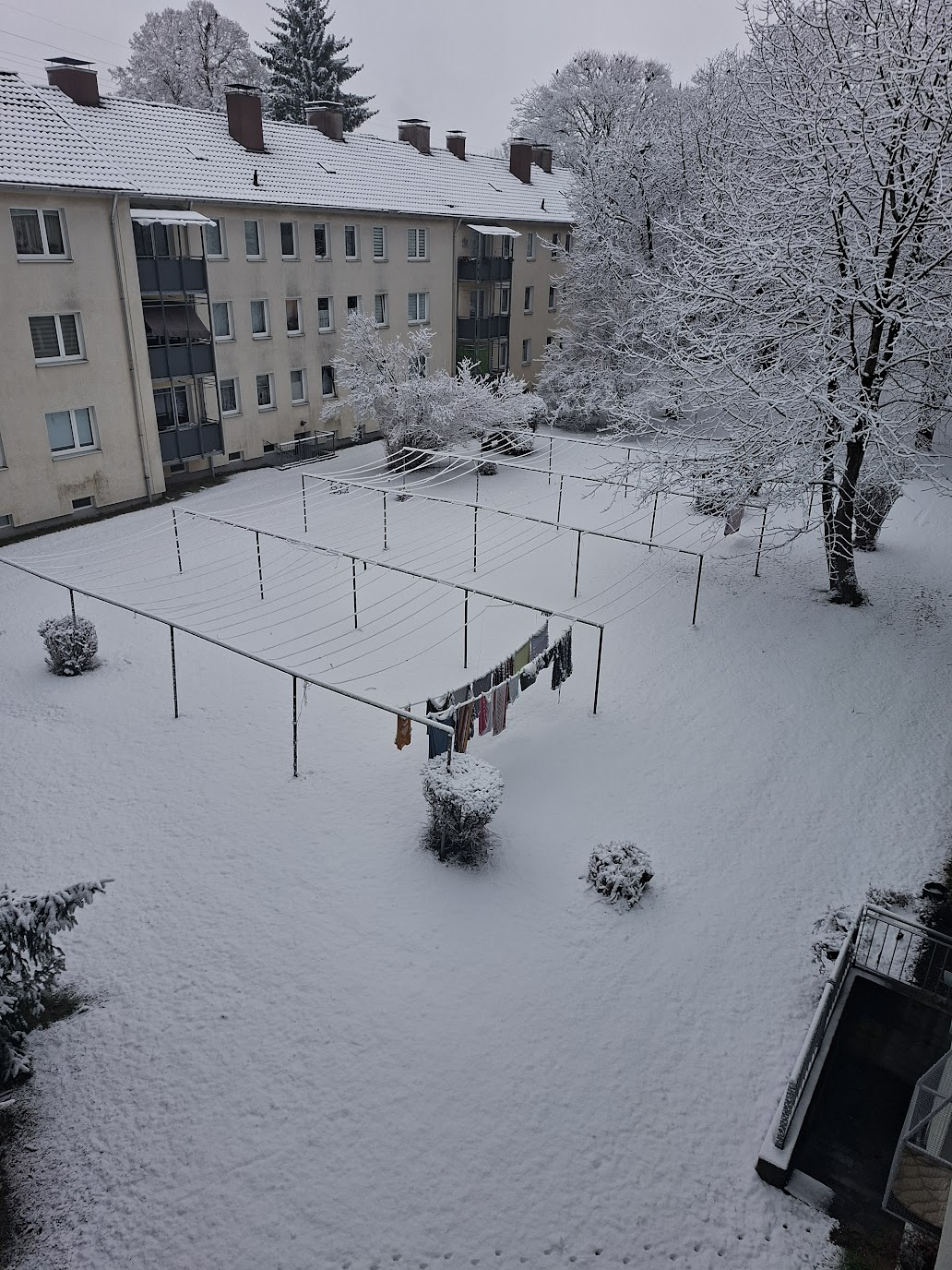
O inverno no Brasil, apesar de frio, geralmente é muito ensolarado e com bastante oscilação de temperatura: à noite pode chegar a -5 °C, enquanto durante o dia pode alcançar até 20 °C. Na Europa, as temperaturas tendem a ficar abaixo de zero por semanas, o que provoca o congelamento dos lagos. Abaixo temos uma foto, demonstrando um pouco da dificuldade em sacar as roupas por aqui.
Der Winter in Brasilien ist trotz der Kälte meist sehr sonnig und von starken Temperaturschwankungen geprägt: Nachts kann es auf -5 °C fallen, während es tagsüber bis zu 20 °C erreichen kann. In Europa bleiben die Temperaturen oft wochenlang unter null, was zum Gefrieren der Seen führt. Unten sehen wir ein Foto, das ein wenig die Schwierigkeit zeigt, hier Kleidung zu trocknen.
Winter in Brazil, despite being cold, is usually very sunny and marked by strong temperature fluctuations: at night it can drop to -5 °C, while during the day it can reach up to 20 °C. In Europe, temperatures tend to stay below zero for weeks, which causes lakes to freeze. Below we have a photo showing some of the difficulty of drying clothes here.
Nevasca no Parque 2026 Memimngen.Winter 2026 / Memmingen
Boa noite a todos / Guten Abend zusammen / Good evening everyone
Ufa, foi bastante coisa! Foi muito prazeroso comparar cidades tão lindas. Também foi um exercício complexo, mas espero que vocês tenham gostado. Um abraço a todos de Fraiburgo e a todos de Memmingen. Brasil e Alemanha seguem sempre conectados.
Ideias e sugestões? Deixem nos comentários.
E agora, fica o boa noite das duas cidades… 🌙
Uff, das war eine ganze Menge! Es war sehr schön, so schöne Städte zu vergleichen. Es war auch eine komplexe Aufgabe, aber ich hoffe, es hat euch gefallen. Einen herzlichen Gruß an alle in Fraiburgo und an alle in Memmingen. Brasilien und Deutschland bleiben immer verbunden. Ideen und Vorschläge? Schreibt sie gerne in die Kommentare. Und jetzt: Gute Nacht aus beiden Städten… 🌙
Phew, that was quite a lot! It was a pleasure to compare such beautiful cities. It was also a complex exercise, but I hope you enjoyed it. A big hug to everyone in Fraiburgo and in Memmingen. Brazil and Germany remain always connected. Ideas and suggestions? Leave them in the comments. And now, good night from both cities… 🌙
It is a city located in the heart of southern Brazil, shaped by diverse cultural influences — from the German roots brought by its founders, who came from the region near Freiburg, Germany, in the 1920s, to the presence of caboclos, tchôs, Italians, Poles, Russians, Gauchos, Argentinians, Venezuelans, and many other peoples. Since its foundation in 1963, the Portuguese language has always been the city’s lingua franca.
Oi pessoal tudo bem, que legal esta foto que publicaram essa semana, Mas o que é Fraiburgo? É uma cidade localizada no centro do sul do Brasil, marcada por influências culturais diversas, desde as raízes alemãs trazidas pelos fundadores vindos da região próxima a Freiburg na Alemanha na década de 20, até a presença de caboclos, tchôs, italianos, poloneses, russos, gaúchos, argentinos, venezuelanos e muitos outros povos. A língua portuguesa sempre foi a língua franca da cidade desde sua fundação, em 1963.
The Castelinho building is one of the most beautiful landmarks of the city, closely connected to the birth of large-scale apple production in Brazil. In this article, you can find more information → History of the French Castle. Today, it operates as a carefully maintained hotel that welcomes visitors from all over Brazil with the best our region has to offer. Its architecture was inspired by the French idea of building something in the style of Normandy, in northern France.
A obra do Castelinho é um dos mais lindos patrimônios da cidade, ligada ao nascimento da produção em escala da maçã no Brasil neste artigo há mais informações -> História do Castelo Francês . Hoje trata-se de um hotel cuidadosamente cuidado para atender pessoas de todo o Brasil com o que temos de melhor. A arquitetura foi derivada da ideia dos Franceses de construir algo no estilo da Normandia (norte da França).
_______________________________________________ Lá no Frai é assim… Fraiburgo, a Place to be discovered!
O projeto nasceu em 2006 para preservar a cultura “Tchô” ou “Tchozina” e memória de Fraiburgo, abordando também temas valiosos de toda a região, de Santa Catarina e do Brasil. Hoje, o projeto que nasceu bilingue alcança milhares de leitores em varias partes do mundo. Tudo isso só é possível com a ajuda de voluntários, apoiadores e leitores como você. Quer compartilhar algo com a gente? Fale conosco!
The project was born in 2006 to preserve the Tchô culture and memory of Fraiburgo, also covering valuable topics from the entire region, Santa Catarina, and Brazil. Today, this bilingual project reachesthousands of readers across the globe. All of this is only possible thanks to volunteers, supporters, and readers like you.
Got something to share with us? Get in touch — and follow us on – Facebook or Instagram
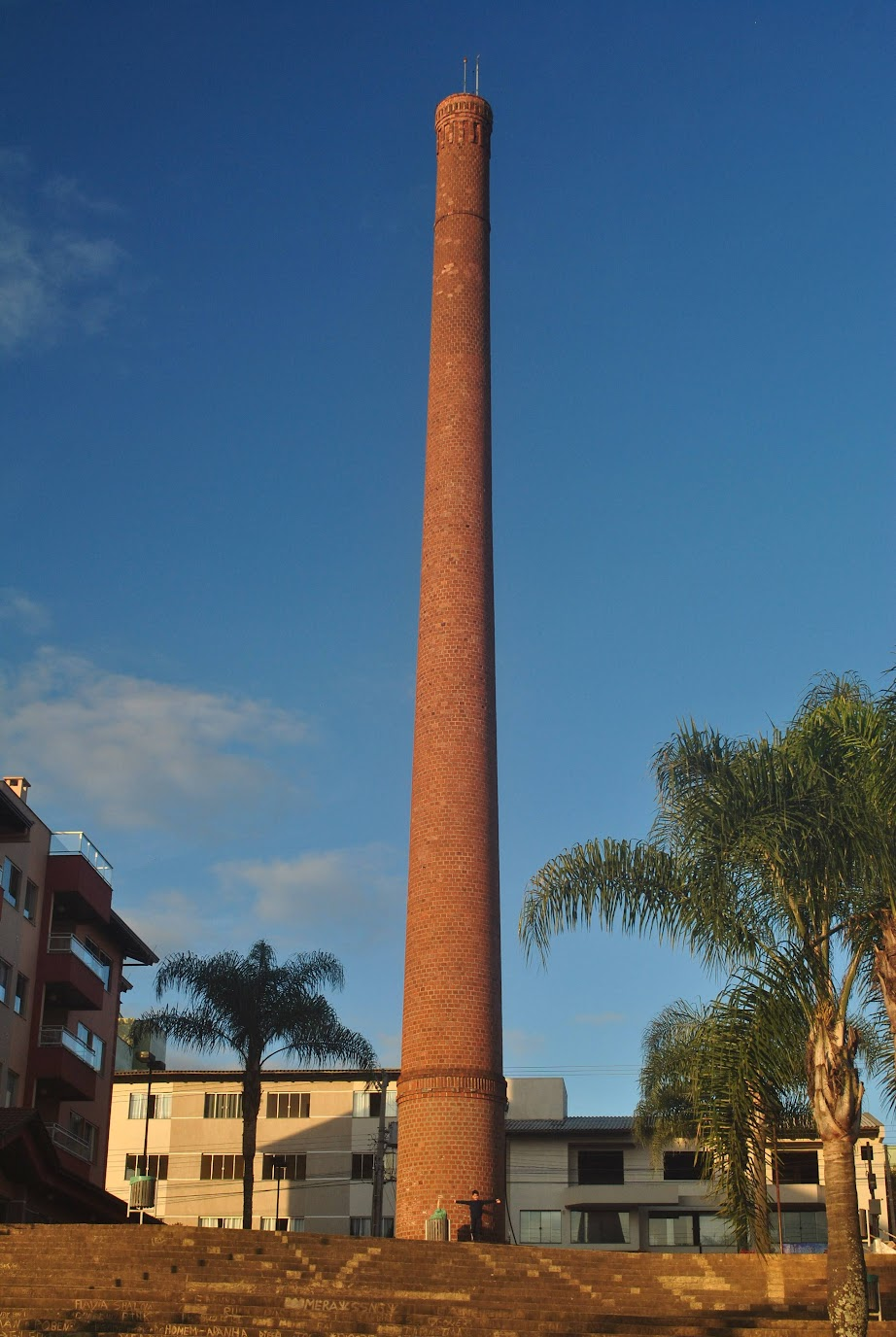
Português: Fotografia aérea histórica mostrando uma área industrial com a chaminé (hoje símbolo da cidade) liberando fumaça escura, evidência clara do uso de energia baseada em queima de madeira — prática comum nas décadas de 1950 e 1960. Acreditamos que está foto seja de antes da emancipação de Fraiburgo como município, ocorrido em dezembro de 1963.
Ao redor da indústria (serraria), observam-se construções simples, galpões e uma estrada de terra, sinalizando uma comunidade em fase de formação e expansão. Essa imagem revela não apenas a paisagem de um tempo passado, mas também a intensidade do trabalho e da transformação econômica de uma cidade em desenvolvimento. Fraiburgo mudou muito, mas a chaminé continua lá.
English: Historical aerial photograph depicting an industrial area with chimneys releasing dark smoke — a clear sign of wood or coal combustion, which was common in the 1950s and 1960s. Surrounding the factory are simple buildings, sheds, and a dirt road, suggesting a growing and developing community. This image not only captures the landscape of a bygone era but also reflects the intensity of labor and economic transformation of an emerging city. The chaminy continues there! Fraiburgo a piece of Brazil to be discouvered!
_______________________________________________ Lá no Frai é assim… Fraiburgo, a Place to be discovered!
O projeto nasceu em 2006 para preservar a cultura “Tchô” ou “Tchozina” e memória de Fraiburgo, abordando também temas valiosos de toda a região, de Santa Catarina e do Brasil. Hoje, o projeto que nasceu bilingue alcança milhares de leitores em varias partes do mundo. Tudo isso só é possível com a ajuda de voluntários, apoiadores e leitores como você. Quer compartilhar algo com a gente? Fale conosco!
The project was born in 2006 to preserve the Tchô culture and memory of Fraiburgo, also covering valuable topics from the entire region, Santa Catarina, and Brazil. Today, this bilingual project reachesthousands of readers across the globe. All of this is only possible thanks to volunteers, supporters, and readers like you.
Got something to share with us? Get in touch — and follow us on – Facebook or Instagram
Quem é da região já deve ter passado inúmeras vezes em frente a essa casa charmosa, no alto do morro, cercada por pinheiros e mistério. Lá está ela, firme e elegante, despertando a imaginação de quem cruza o Frai. Uma construção que parece saída de um conto europeu, e que sempre deixa a gente com aquela vontade: “Como será por dentro?”
Pois é… agora você vai saber. Spoiler: não é exatamente o que você estava esperando
A resposta está logo abaixo, e sim, é uma trollagem clássica do Lá no Frai, que já se espalhou pelo Brasil e pelo mundo afora! A imagem foi uma das mais compartilhadas da história do projeto — e nem é à toa. Mistura de humor, memória afetiva e aquela pitada de tchozisse que só quem é do Frai entende!
Curiosidade: O carro retratado é um clássico VW Gol quadrado, modelo GL ou CL da década de 90, famoso pela robustez e simplicidade. Ou seja, uma verdadeira relíquia da vida fraiburguense raiz.
English:
We all have passed by that charming house on the hill, surrounded by pine trees and mystery. Many people have always wondered: “How does it look inside?” Well… now you know. But it’s not quite what you expected Just a legendary 90s car inside — the famous VW Gol — and a good laugh from one of the most shared posts ever on Lá no Frai!
Tags: Fraiburgo, humor, gol quadrado, casa misteriosa, cultura regional, tchozinhos, viral, blog lá no frai, anos 90, Santa Catarina, carro antigo
_______________________________________________ Lá no Frai é assim… Fraiburgo, a Place to be discovered!
O projeto nasceu em 2006 para preservar a cultura “Tchô” ou “Tchozina” e memória de Fraiburgo, abordando também temas valiosos de toda a região, de Santa Catarina e do Brasil. Hoje, o projeto que nasceu bilingue alcança milhares de leitores em varias partes do mundo. Tudo isso só é possível com a ajuda de voluntários, apoiadores e leitores como você. Quer compartilhar algo com a gente? Fale conosco!
The project was born in 2006 to preserve the Tchô culture and memory of Fraiburgo, also covering valuable topics from the entire region, Santa Catarina, and Brazil. Today, this bilingual project reachesthousands of readers across the globe. All of this is only possible thanks to volunteers, supporters, and readers like you.
Got something to share with us? Get in touch — and follow us on – Facebook or Instagram
Pelas ruas calmas de Fraiburgo, num dia desses em que o céu parece pintado à mão, a gente se depara com essa paisagem cheia de significado: a Igreja Luterana (IECLB) com sua arquitetura triangular marcante, rodeada de um muro avermelhado e uma cerca viva que explode em flores brancas. Parece até que a natureza resolveu colaborar com o design!
O contraste do telhado cor de telha com o azulão do céu e as palmeiras ao fundo dá aquele toque tropical–europeu que só Fraiburgo consegue ter. E claro, tudo isso protegido por um muro discreto que guarda mais do que flores: guarda histórias, celebrações e gerações inteiras que passaram por ali.A imagem captura a essência da cidade: fé, natureza, cultura e esse jeitinho Teuto-tchozino de viver e construir comunidade.
OBS.
(Teuto – Termo que relaciona a origem Alemã tal qual Italo para italianos e assim por diante.
Walking through the quiet streets of Fraiburgo, on one of those days when the sky looks like it was painted by hand, we come across this scene full of meaning: the Lutheran Church (IECLB) with its striking triangular architecture, framed by a reddish wall and a hedge bursting with white flowers. It’s as if nature itself decided to join in the design!
The contrast between the terracotta roof and the deep blue sky, with palm trees in the background, gives it that unique tropical–European touch that only Fraiburgo offers. And of course, behind that simple wall lies more than flowers – it holds stories, celebrations, and generations of people who gathered there.This image captures the essence of the town: faith, nature, culture, and that cozy Germanic tchozino way of living and building community.
For those far away, it’s a window back home. For those who’ve never been, it’s an invitation.
_______________________________________________ Lá no Frai é assim… Fraiburgo, a Place to be discovered!
O projeto nasceu em 2006 para preservar a cultura “Tchô” ou “Tchozina” e memória de Fraiburgo, abordando também temas valiosos de toda a região, de Santa Catarina e do Brasil. Hoje, o projeto que nasceu bilingue alcança milhares de leitores em varias partes do mundo. Tudo isso só é possível com a ajuda de voluntários, apoiadores e leitores como você. Quer compartilhar algo com a gente? Fale conosco!
The project was born in 2006 to preserve the Tchô culture and memory of Fraiburgo, also covering valuable topics from the entire region, Santa Catarina, and Brazil. Today, this bilingual project reachesthousands of readers across the globe. All of this is only possible thanks to volunteers, supporters, and readers like you.
Got something to share with us? Get in touch — and follow us on – Facebook or Instagram
Depois de vários meses — quase anos — estou voltando a postar aqui no blog. Que saudade eu estava de fazer esse trabalho! A gente sai do Frai, mas o Frai não sai da gente!
Esses dias notei algo muito especial: o crescimento dos acessos internacionais, ultrapassando 30 mil visualizações. Isso reacendeu a motivação de continuar escrevendo como o blog nasceu: sendo uma plataforma bilíngue para mostrar o Frai pro mundo. Desde 2006, fui juntando uma coisinha aqui, outra ali — sempre sem muitos recursos, mas com muito amor.
Peço desculpas desde já pelas propagandas ao redor do conteúdo. Infelizmente, ainda é a única forma de manter o projeto financeiramente, cobrindo os custos da plataforma e, principalmente, o tempo dedicado à criação de materiais originais e lindos, focados em valorizar nossas raízes — mesmo aquelas que às vezes a gente esquece de reconhecer. Também, o desafio continua, como tornar nossa cidade uma cidade bilíngue com abertura real para o mundo, tanto para sair como para atrair investimentos, o que faz de Fraiburgo diferente do resto do mundo?
Enfim, estamos de volta! E com novidades chegando… Fiquem de zóio, piazada! Um abraço bem apertado. Não tá morto quem peleia. Ass. Tchozinho!
English
Dear tchozinhos and friends,
After several months — maybe even years — I’m finally back to posting on the blog. I truly missed doing this work! We may leave Frai, but Frai never leaves us!
Recently, I noticed something amazing: international traffic on the blog has been growing steadily, now passing over 30,000 visits. That really inspired me to keep writing — just like when the blog was born — as a bilingual platform to share the stories and spirit of Frai with the world. Since 2006, I’ve been collecting a piece here, a detail there — always without much funding, but with lots of passion.
I want to apologize in advance for the ads around the content. Unfortunately, it’s still the only way to support the project financially — covering fixed costs of the platform and especially the time spent creating original and beautiful content that highlights our culture, even the parts we sometimes forget to appreciate. Also, a bit regional challenge is how to turn our city ready for internationalization, how to motivate students students to give such huge and difficult step.
So yes — we’re back! And changes are coming… So keep an eye out, piazada! Sending you all a big hug.
A imagem acima revela a transformação de Fraiburgo – de uma paisagem rural e incerta no chamado “Campo da Dúvida” para uma cidade estruturada, cheia de identidade e cada vez mais voltada para o futuro. O território, antes formado por áreas como a fazenda Butiá Verde¹, recebeu diferentes ondas de ocupação a partir do século XX, com destaque para a família Frey, que ajudou a organizar os primeiros traços urbanos² — mesmo sem a ferrovia, que parou em Videira³.
Mas o desenvolvimento de Fraiburgo não foi obra de uma única família ou etnia. Foi (e continua sendo) construído por muitos povos: migrantes do Rio Grande do Sul, comunidades indígenas como os Kaingang e Xokleng⁴, agricultores sazonais do nordeste, famílias italianas, alemãs, polonesas, catarinenses do litoral e mais. A verdadeira riqueza fraiburguense está nesse mosaico humano que forma sua cultura e alimenta seu dinamismo.
Enquanto o Brasil buscava sua identidade no século XX entre industrialização, redemocratização e inclusão social, Fraiburgo erguia um modelo híbrido: agrícola, tecnológico, comunitário e com olhar para fora. Hoje, ela é reconhecida pela produção de maçã, pela força climática e por valores culturais únicos.
Mas e o futuro? Se o Brasil precisa de cidades médias como motores regionais, Fraiburgo pode ser referência. O desafio agora é ainda maior: tornar a cidade bilíngue, globalizada sem perder seu sotaque. Preparar as novas gerações para interagir com o mundo exige um projeto educacional e cultural que vá além do inglês técnico — que envolva orgulho, memória e visão de futuro. Porque quem valoriza suas raízes pode alcançar qualquer lugar.
Text in English:
The image above shows the transformation of Fraiburgo – from a rural and uncertain area once known as the “Field of Doubt” to a structured city filled with identity and purpose. The land, once dominated by areas such as Butiá Verde Farm¹, gradually welcomed settlers throughout the 20th century, with the Frey family playing a key role in early urban organization² — even though the railway reached only as far as Videira³.
But Fraiburgo’s growth wasn’t the work of one family or culture alone. It was, and still is, a collective achievement of diverse peoples: migrants from Rio Grande do Sul, indigenous Kaingang and Xokleng communities⁴, seasonal workers from Brazil’s northeast, Italian, German, Polish, and coastal Santa Catarina families, and many more. This human mosaic is the city’s true strength.
While Brazil shaped its national identity through industrialization, democratization, and the pursuit of social equity, Fraiburgo created a hybrid model: agricultural yet innovative, local yet outward-looking. Today, it’s known for apple production, a unique climate, and strong cultural values.
So what lies ahead? If Brazil needs mid-sized cities as regional engines, Fraiburgo may serve as a blueprint. The new challenge is even more ambitious: making Fraiburgo bilingual and globally aware, without losing its roots. Preparing future generations to engage with the world means going beyond technical English — embracing pride, memory, and vision. Because those who value where they come from can go anywhere.
Notas de rodapé (versão portuguesa):
¹ O nome Butiá Verde remete à presença do fruto nativo da região, usado como ponto de referência e nome de fazenda. ² Conforme apontado no estudo de Angelina Wittmann: “Fraiburgo SC – Butiá Verde e Campo da Dúvida”. ³ A linha férrea São Paulo–Rio Grande do Sul (EFSPRG) chegou apenas até Videira, e seu impacto regional foi sentido em Fraiburgo, mesmo sem conexão direta. ⁴ A ocupação original da área era feita por povos indígenas Kaingang e Xokleng, como mencionado pelo IBGE e reforçado por relatos locais.
_______________________________________________ Lá no Frai é assim… Fraiburgo, a Place to be discovered!
O projeto nasceu em 2006 para preservar a cultura “Tchô” ou “Tchozina” e memória de Fraiburgo, abordando também temas valiosos de toda a região, de Santa Catarina e do Brasil. Hoje, o projeto que nasceu bilingue alcança milhares de leitores em varias partes do mundo. Tudo isso só é possível com a ajuda de voluntários, apoiadores e leitores como você. Quer compartilhar algo com a gente? Fale conosco!
The project was born in 2006 to preserve the Tchô culture and memory of Fraiburgo, also covering valuable topics from the entire region, Santa Catarina, and Brazil. Today, this bilingual project reachesthousands of readers across the globe. All of this is only possible thanks to volunteers, supporters, and readers like you.
Got something to share with us? Get in touch — and follow us on – Facebook or Instagram