Oi tchozinhos(as), bão? Servus?
Então piazada, escrevo da cidade de Memmingen no Sul da Alemanha, próximo da Suíça e Áustria. Faz um pouco mais de 6 meses que se tacamo conhecer esse mundo. Logicamente não foi uma decisão nem simples nem barata, porém muito valiosa. Por isso queria muito compartilhar um pouco das coisaradas que venho negaciando por aqui nesse tempo. Aqui não é Munique. Não é Berlim. É Memmingen, uma cidade medieval 45 mil habitantes, 10 mil a mais que Fraiburgo (Frai) que, por sua vez, não é medieval e sim uma cidade bebê com 65 anos apenas. A título de comparação a imigração alemã no Brasil tem 202 anos (início 1824).
A ideia é mostrar algumas comparações do que temos no Frai com o que temos na Alemanha, muita gente fica muito curiosa em saber que existe uma Fraiburgo no Brasil e vice-versa. A ideia não é comparar o que é melhor ou pior, quando falamos de cultura isso não faz sentido. Na minha visão o que mais importa é provocar as reflexões sobre nossa história e tentar entender como ambos os povos encontraram seu caminho para a auto preservação, algumas coisas podem ser parecidas, outras totalmente diferentes.
Desde já peço desculpas por não conseguir tratar ambas no nível de riqueza de detalhes que cada uma merece.
Essa jornada só foi possível graças à Planted Foods e tem um detalhe curioso: eles produzem carne a partir de plantas. Pois é… eu também estranhei no começo 😄 Se quiser entender melhor, dá uma passada no Instagram: https://www.instagram.com/eatplanted/
Então vamos lá jaguarinhos.
Servus zusammen!
Also, Leute… ich schreibe hier aus der Stadt Memmingen im Süden Deutschlands, ganz in der Nähe von der Schweiz und Österreich. Seit etwas mehr als 6 Monaten haben wir uns auf dieses Abenteuer eingelassen, die Welt hier zu entdecken. Natürlich war das keine einfache und auch keine günstige Entscheidung – aber definitiv eine sehr wertvolle.
Deshalb möchte ich ein bisschen von den Dingen teilen, die ich in dieser Zeit hier erlebt habe.
Hier ist nicht München. Hier ist nicht Berlin.
Hier ist Memmingen – eine mittelalterliche Stadt mit etwa 45.000 Einwohnern, rund 10.000 mehr als Fraiburgo (Frai) in Brasilien, das wiederum keine mittelalterliche Stadt ist, sondern eher eine „junge Stadt“ mit nur etwa 65 Jahren. Zum Vergleich: Die deutsche Einwanderung nach Brasilien begann 1824 – also vor etwa 202 Jahren.
Die Idee ist, einige Vergleiche zwischen Fraiburgo und Deutschland zu zeigen. Viele Menschen sind sehr neugierig zu erfahren, dass es ein Fraiburgo in Brasilien gibt – und gewissermaßen auch ein Pendant hier. Es geht aber nicht darum zu sagen, was besser oder schlechter ist. Wenn es um Kultur geht, macht das keinen Sinn.
Vielmehr möchte ich zum Nachdenken anregen: Wie haben beide Völker ihren eigenen Weg gefunden? Wie haben sie sich entwickelt und erhalten? In manchen Punkten gibt es überraschende Ähnlichkeiten, in anderen große Unterschiede.
Ich bitte schon jetzt um Verständnis, dass ich nicht die Tiefe liefern kann, die beide Geschichten eigentlich verdienen.
Diese Reise wurde möglich dank der Planted Foods – und hier kommt ein interessantes Detail: Sie stellen Fleisch aus Pflanzen her. Ja… das fand ich am Anfang auch ungewöhnlich 😄 Wenn du neugierig bist, schau dir gerne ihr Instagram an: https://www.instagram.com/eatplanted/
Also, los geht’s!
Hey everyone! So, I’m writing from the city of Memmingen in southern Germany, close to Switzerland and Austria. It’s been a little over 6 months since we decided to dive into this adventure and explore this part of the world. It wasn’t a simple decision – nor a cheap one – but definitely a very valuable one. That’s why I’d love to share a bit of what I’ve been experiencing here during this time.
This is not Munich. This is not Berlin. This is Memmingen – a medieval town with around 45,000 inhabitants, about 10,000 more than Fraiburgo (Frai) in Brazil, which is not medieval at all, but rather a “young city” with just about 65 years. For comparison, German immigration to Brazil began in 1824 – about 202 years ago.
The idea here is to bring some comparisons between Fraiburgo and Germany. Many people are very curious to learn that there is a Fraiburgo in Brazil – and, in a way, something that feels familiar here as well. But this is not about saying what is better or worse. When it comes to culture, that kind of comparison simply doesn’t make sense. What matters most to me is to spark reflection: how both societies found their own paths, how they developed and preserved themselves over time. In some aspects, the similarities are surprising; in others, the differences are quite striking.
I apologize in advance for not being able to go into the level of detail that each story truly deserves. This journey was only possible thanks to Planted Foods — and here’s a fun detail: they make meat from plants. Yes… I found that strange at first too 😄 If you’re curious, take a look at their Instagram: https://www.instagram.com/eatplanted/ So, let’s get started! 🚀
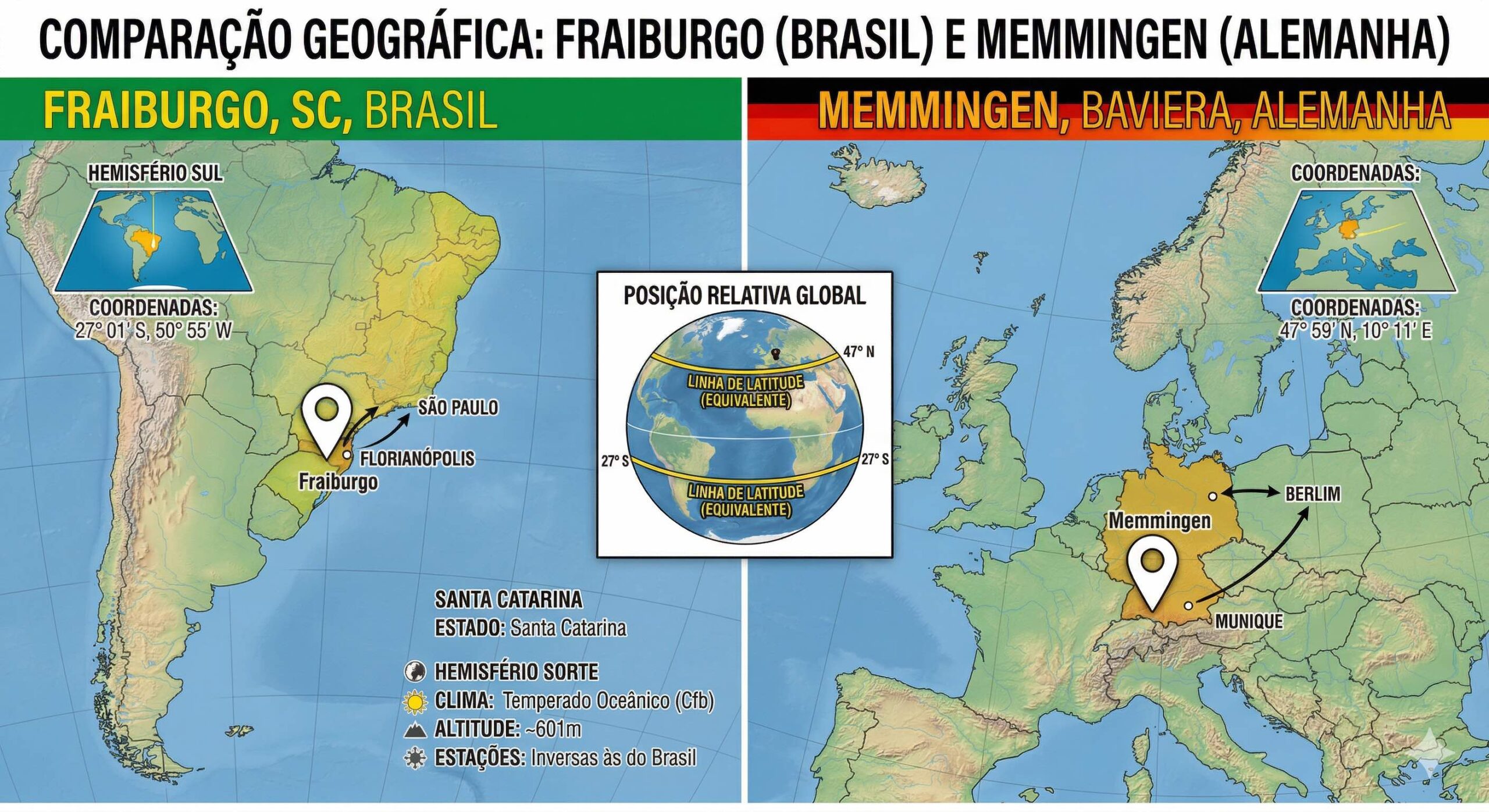
01 – No mapa / Auf der Karte / On the map
Começamos pelo mapa, muito importante.
Wir beginnen mit der Karte, sehr wichtig
We start with the map, very important.
02 – Entrada das cidades / Einstieg der Städte / Entry of the cities
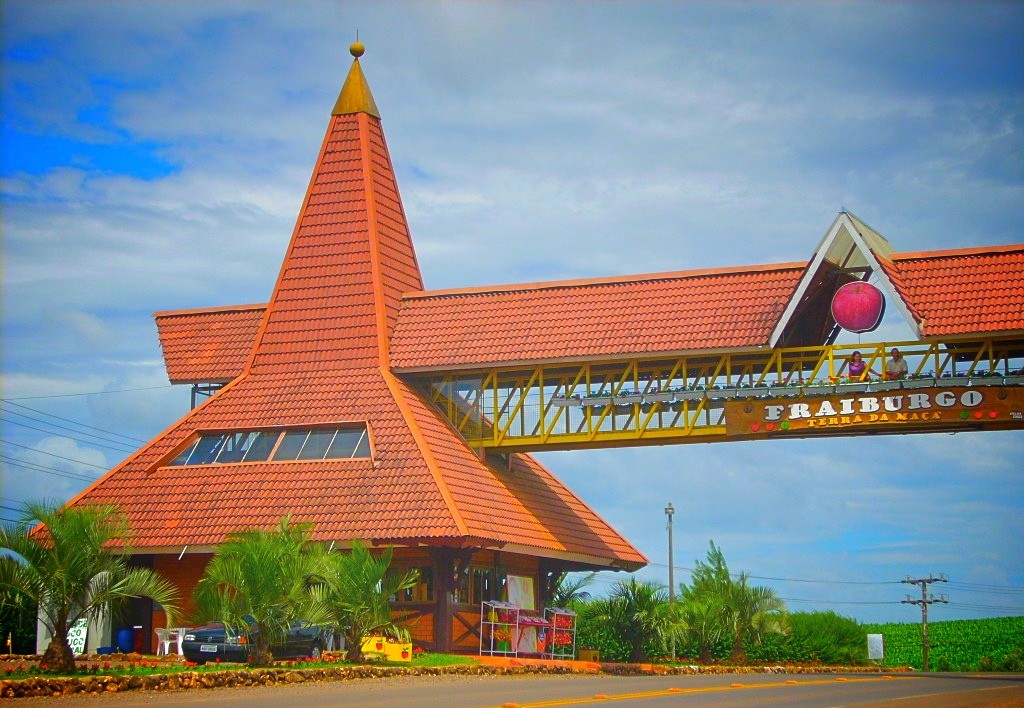
Como Fraiburgo não é uma cidade murada, temos apenas esse portal de entrada, com venda de produtos regionais e informações turísticas.
Da Fraiburgo keine ummauerte Stadt ist, gibt es nur dieses Eingangstor mit Verkauf regionaler Produkte und touristischen Informationen.
As Fraiburgo is not a walled city, there is only this entrance gate, offering regional products and tourist information.
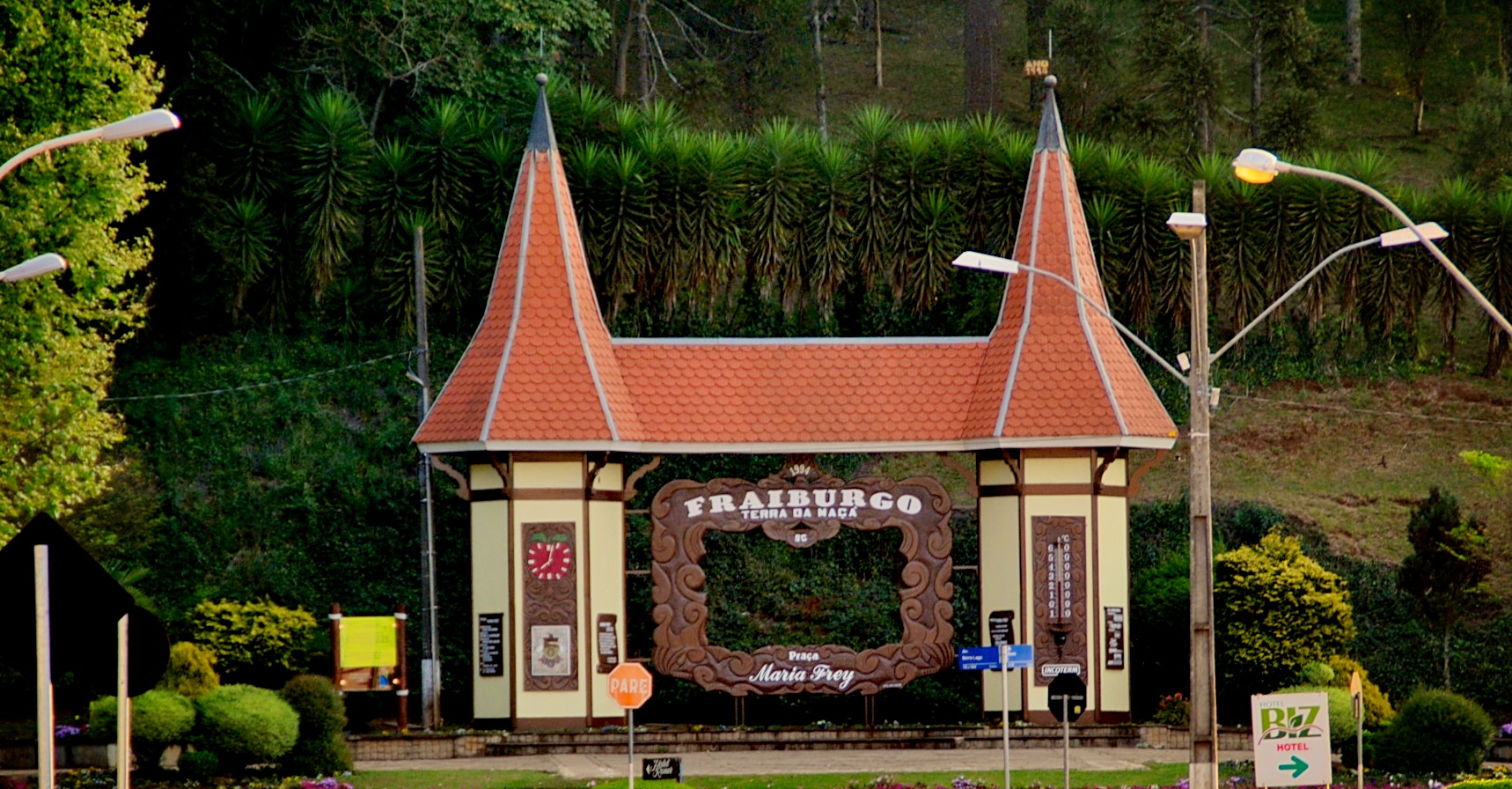
Abaixo, a Praça Maria Frey funciona quase como um portal, dando boas-vindas ao Lago das Araucárias, aos hotéis e ao centro da cidade. Inaugurada em 1994, abriga um dos maiores termômetros de mercúrio das Américas.
Unten fungiert der Maria-Frey-Platz fast wie ein Tor und heißt Besucher am Lago das Araucárias, bei den Hotels und im Stadtzentrum willkommen. Er wurde 1994 eingeweiht und beherbergt eines der größten Quecksilberthermometer Amerikas.
Below, Maria Frey Square works almost like a gateway, welcoming visitors to Lago das Araucárias, the hotels, and the city center. Inaugurated in 1994, it features one of the largest mercury thermometers in the Americas.
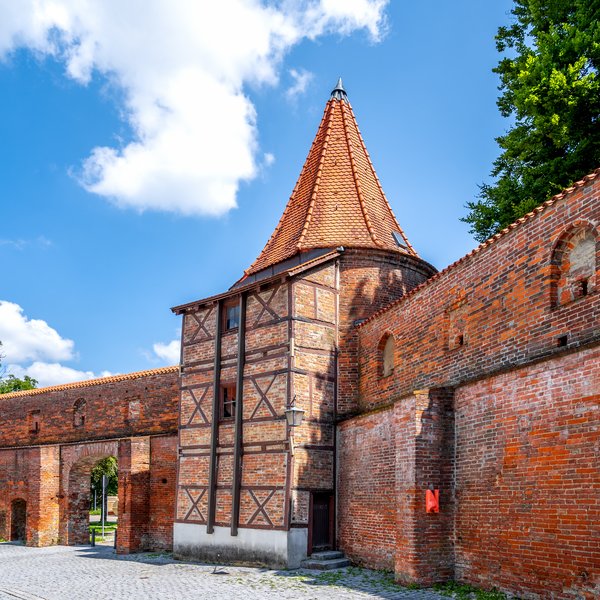
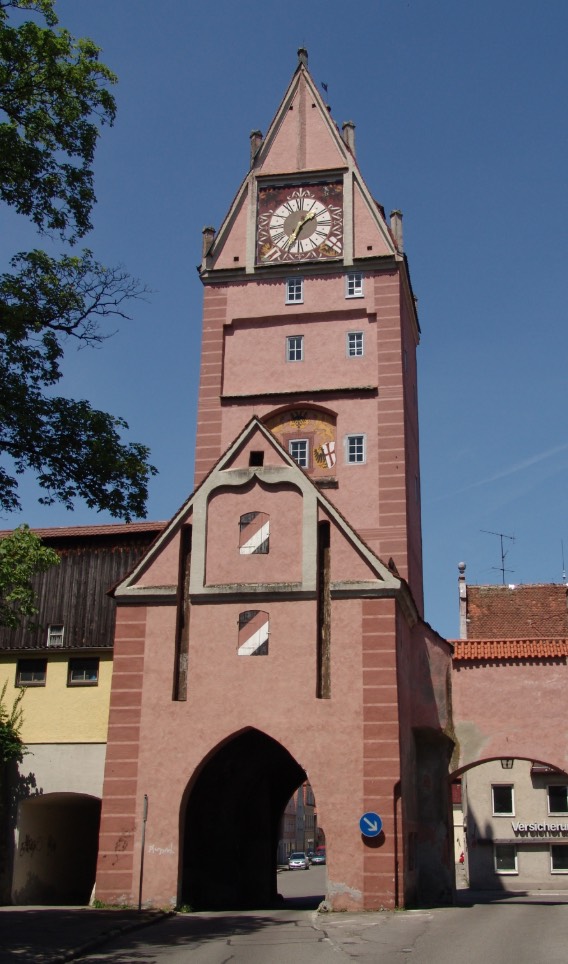
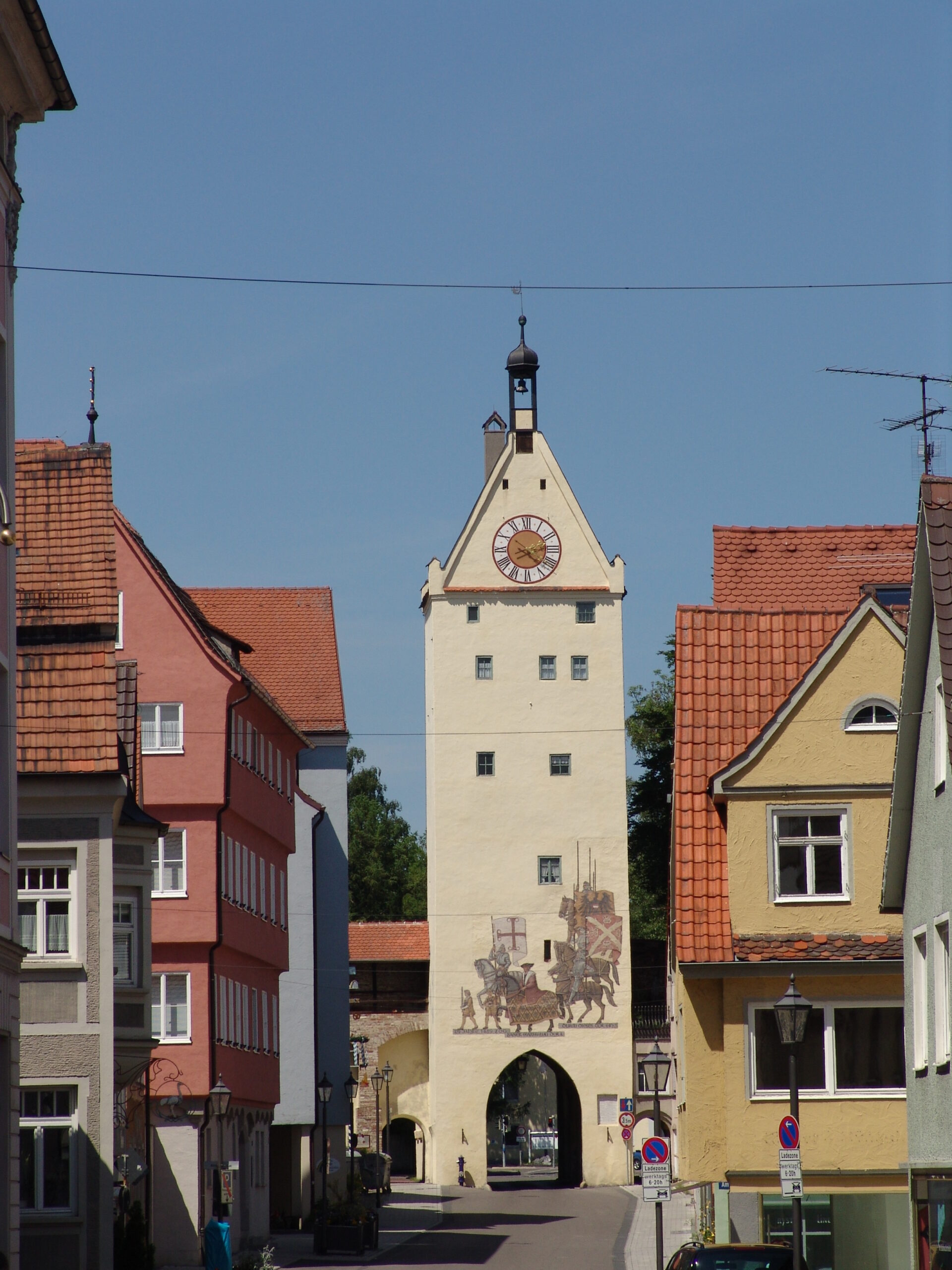
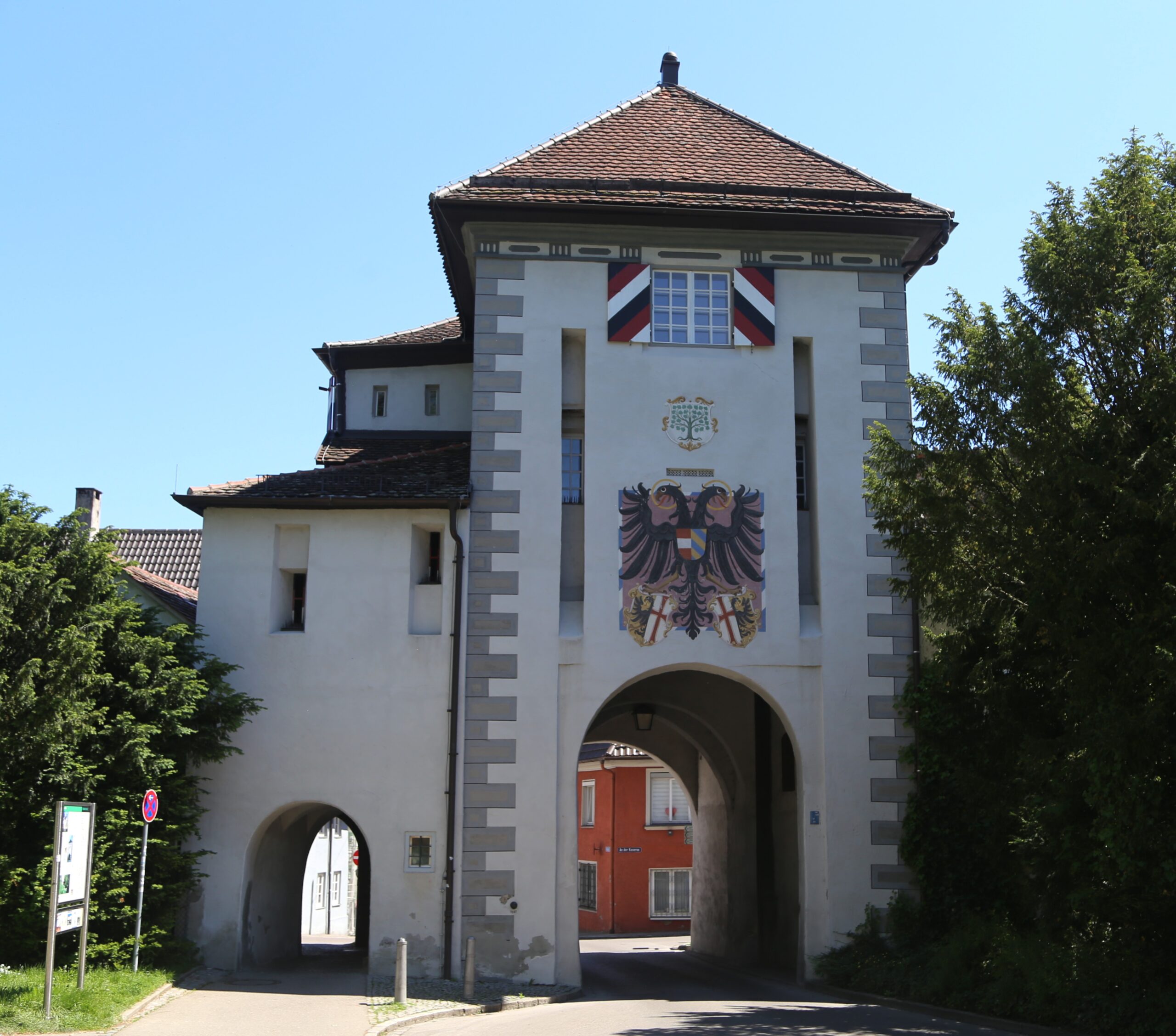
Já por aqui, como ainda existe boa parte da muralha medieval para entrar na cidade existem vários portais como esse aí, mais velhos até do que o Brasil.
Hier hingegen, da ein großer Teil der mittelalterlichen Stadtmauer noch erhalten ist, gibt es mehrere solche Tore, die sogar älter sind als Brasilien.
Here, on the other hand, since much of the medieval city wall is still preserved, there are several gates like this, some of them even older than Brazil.
03 – Hotéis e Acomodação / Unterkünfte / Accommodation
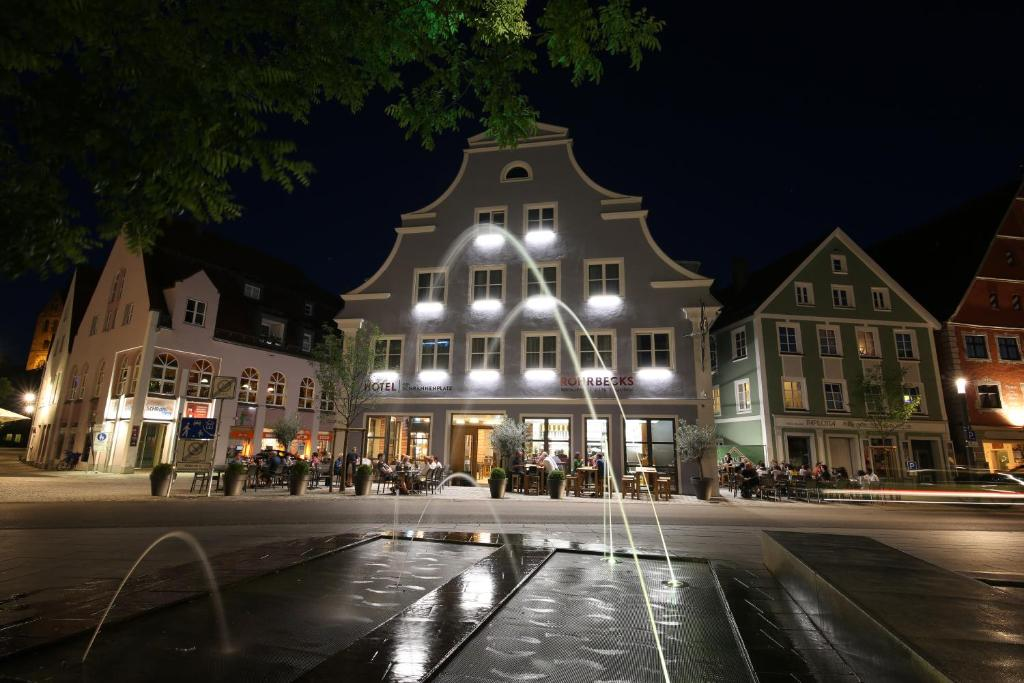
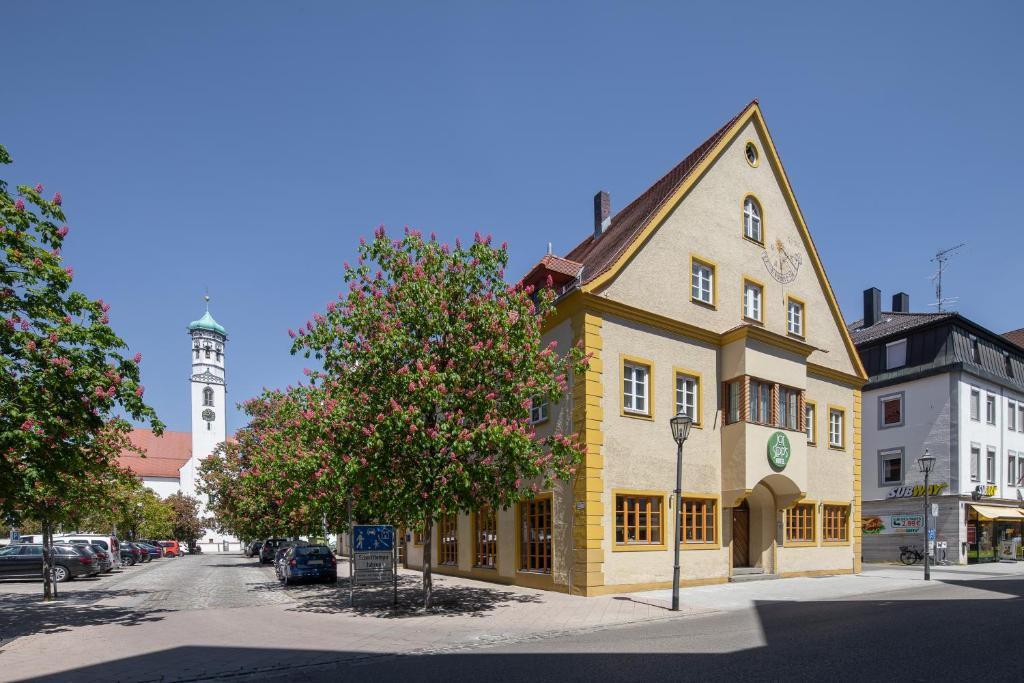
Ambas cidades são industriais e turísticas, logicamente que as opções de acomodação não faltam. Começamos com o Hotel Renar, o mais imponente e conhecido da Região.
Beide Städte sind industriell geprägt und touristisch attraktiv, daher mangelt es selbstverständlich nicht an Unterkunftsmöglichkeiten. Wir beginnen mit dem Hotel Renar, dem imposantesten und bekanntesten der Region.
Both cities are industrial and touristic, so accommodation options are plentiful. We begin with Hotel Renar, the most prominent and well-known in the region.
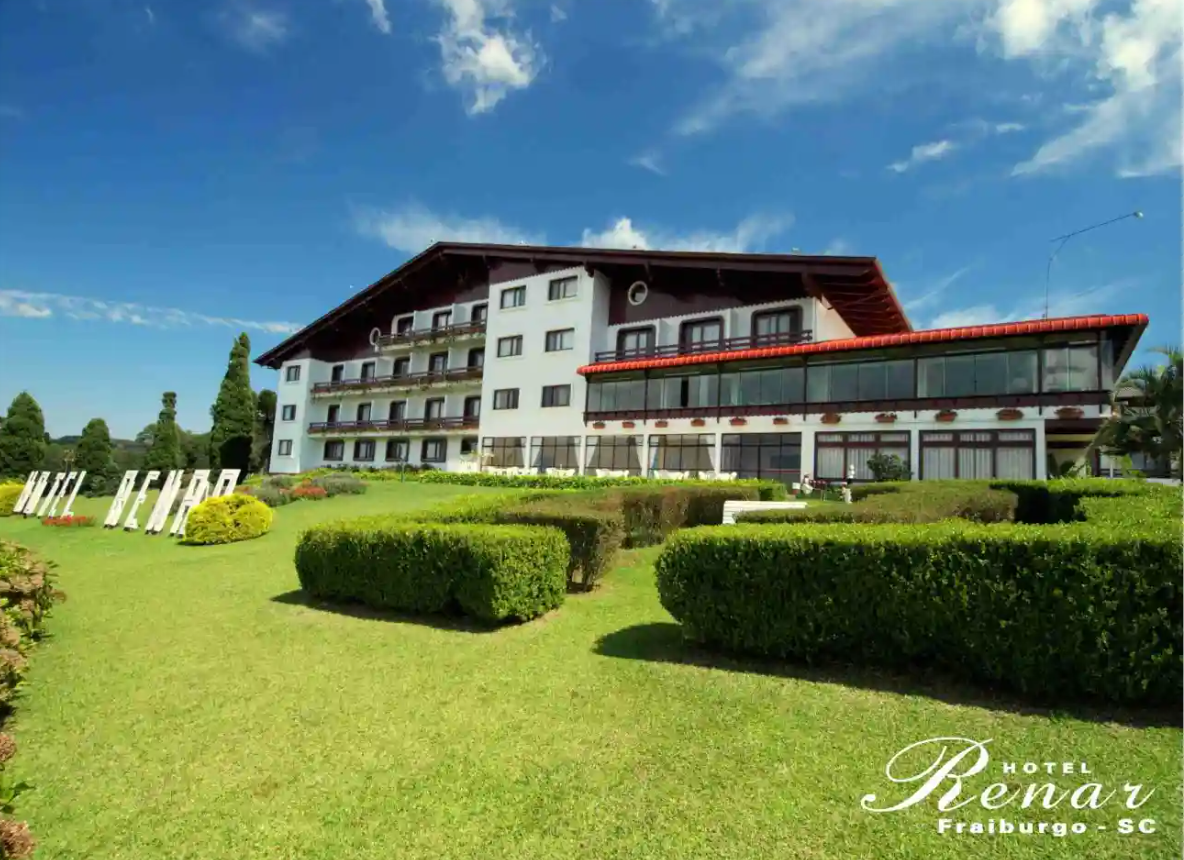
Hotel Renar – Anno1982 – https://hotelrenar.com.br/
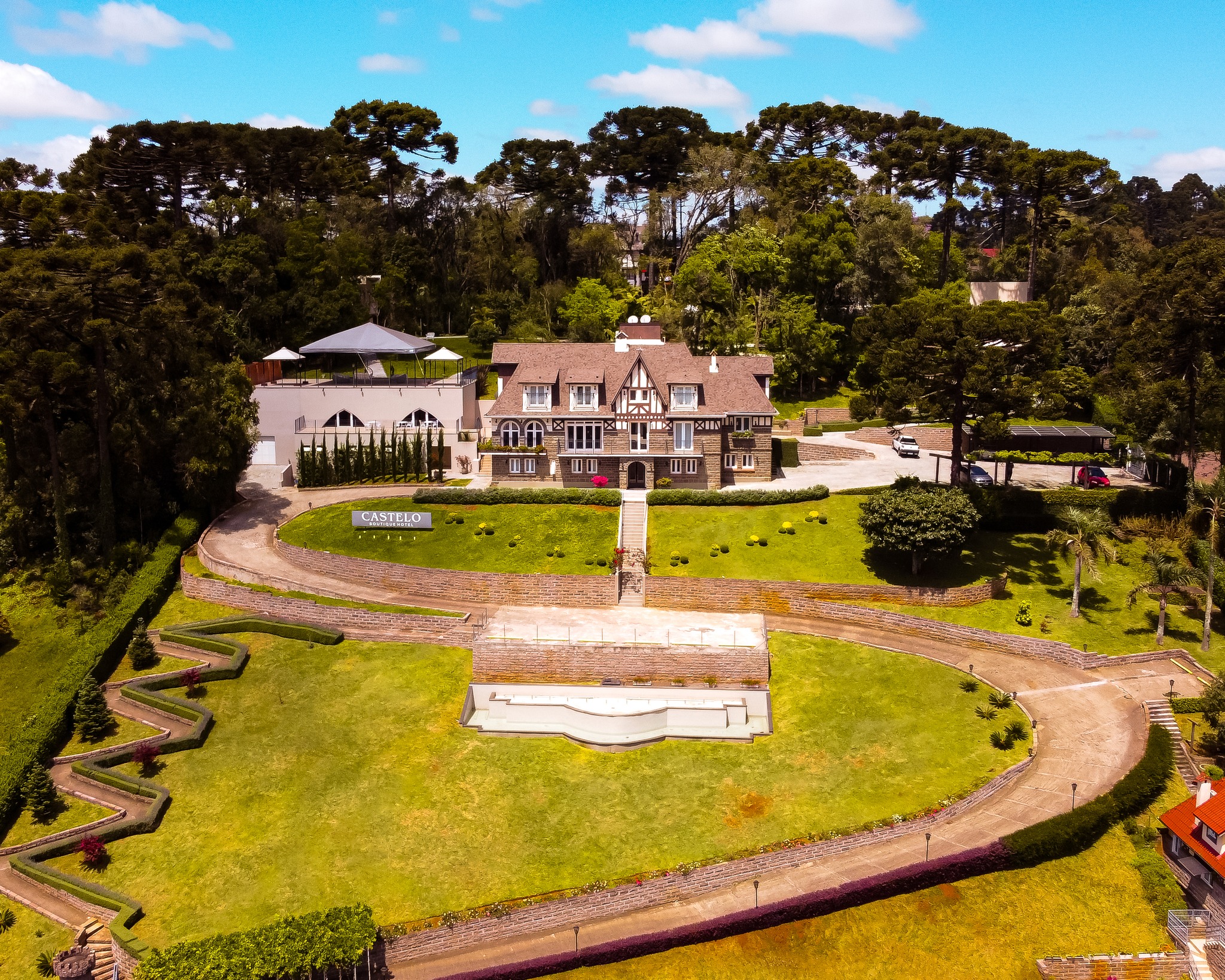
Abaixo está o Castelinho (mais sobre essa história nesse link) e do outro lado fica o Hotel Renar.
Unten sehen wir das Castelinho (mehr zu dieser Geschichte unter diesem Link), und auf der anderen Seite befindet sich das Hotel Renar.
Below is the Castelinho (more about this story at this link), and on the other side is Hotel Renar.
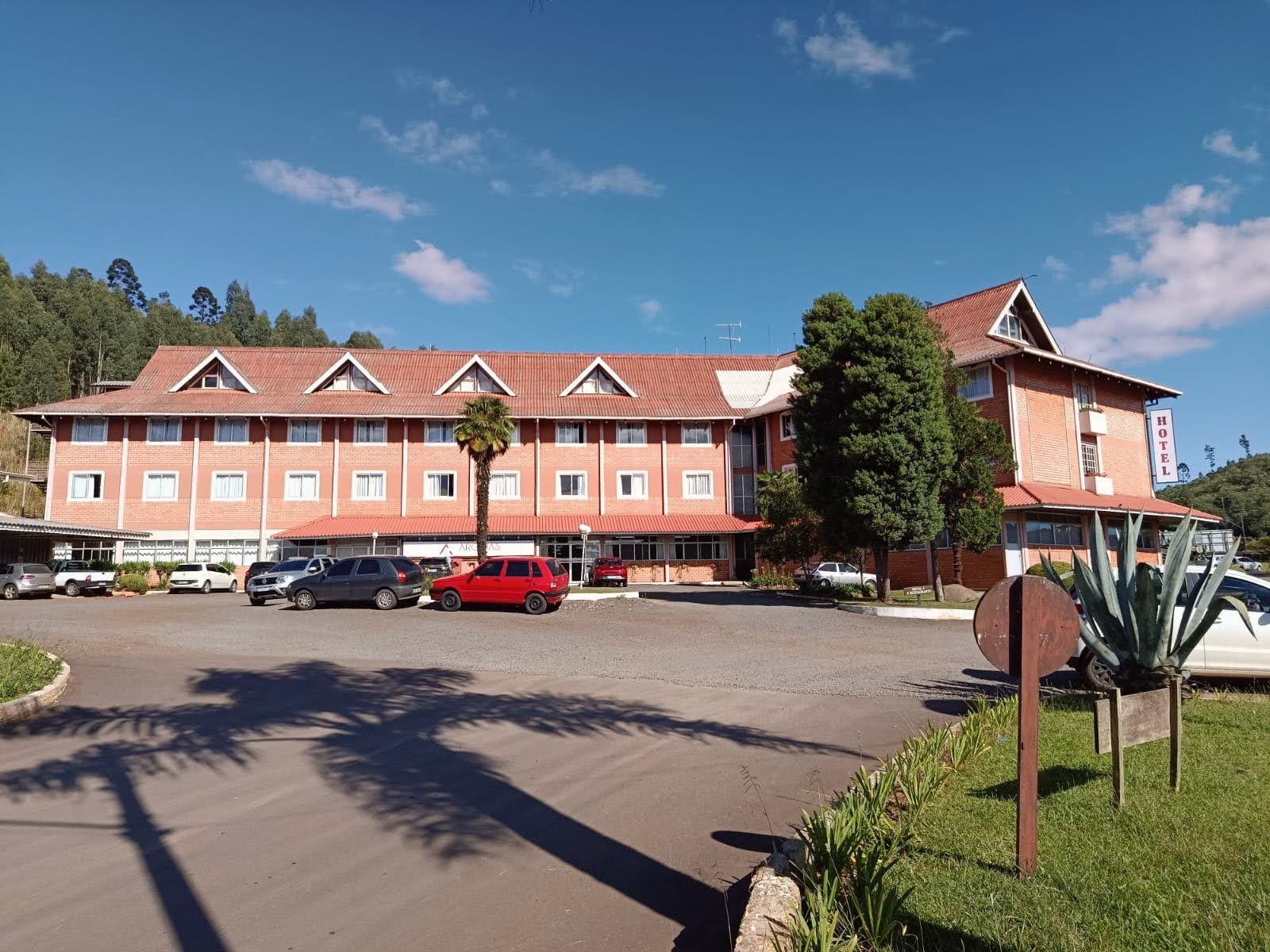
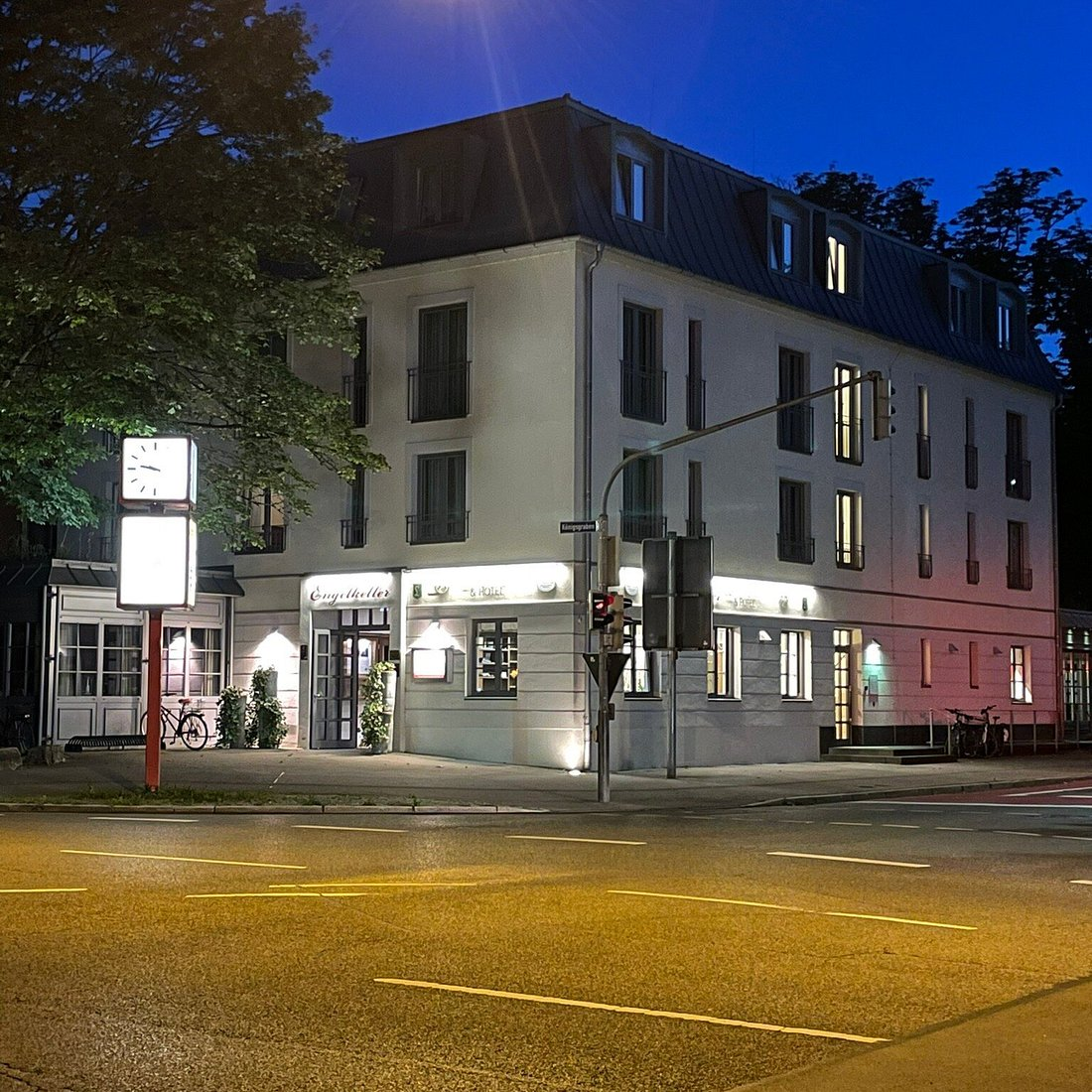
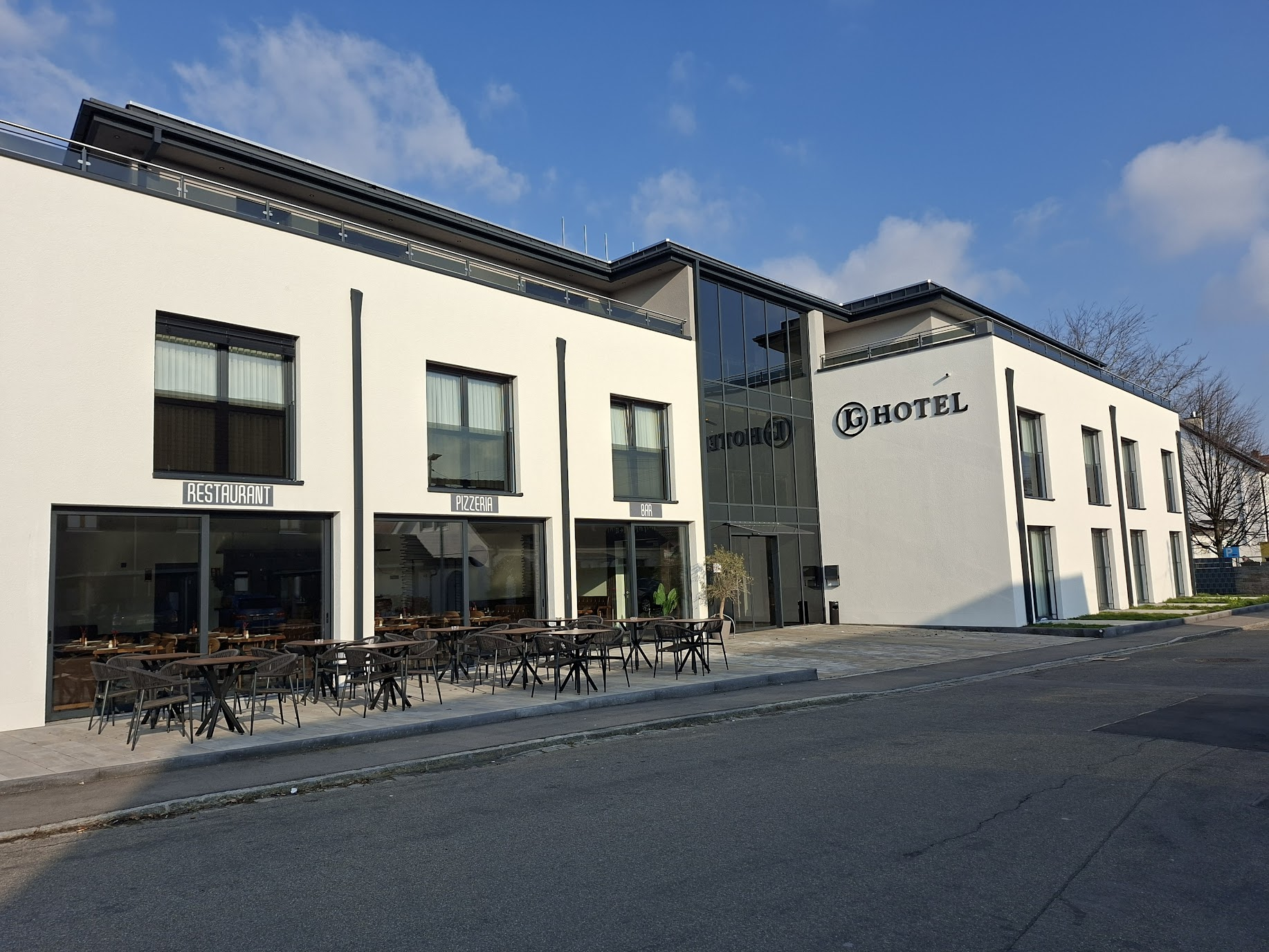
JG Hotel & Restaurant – Anno 2020
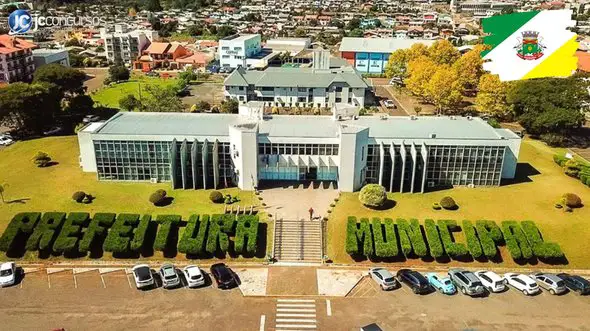
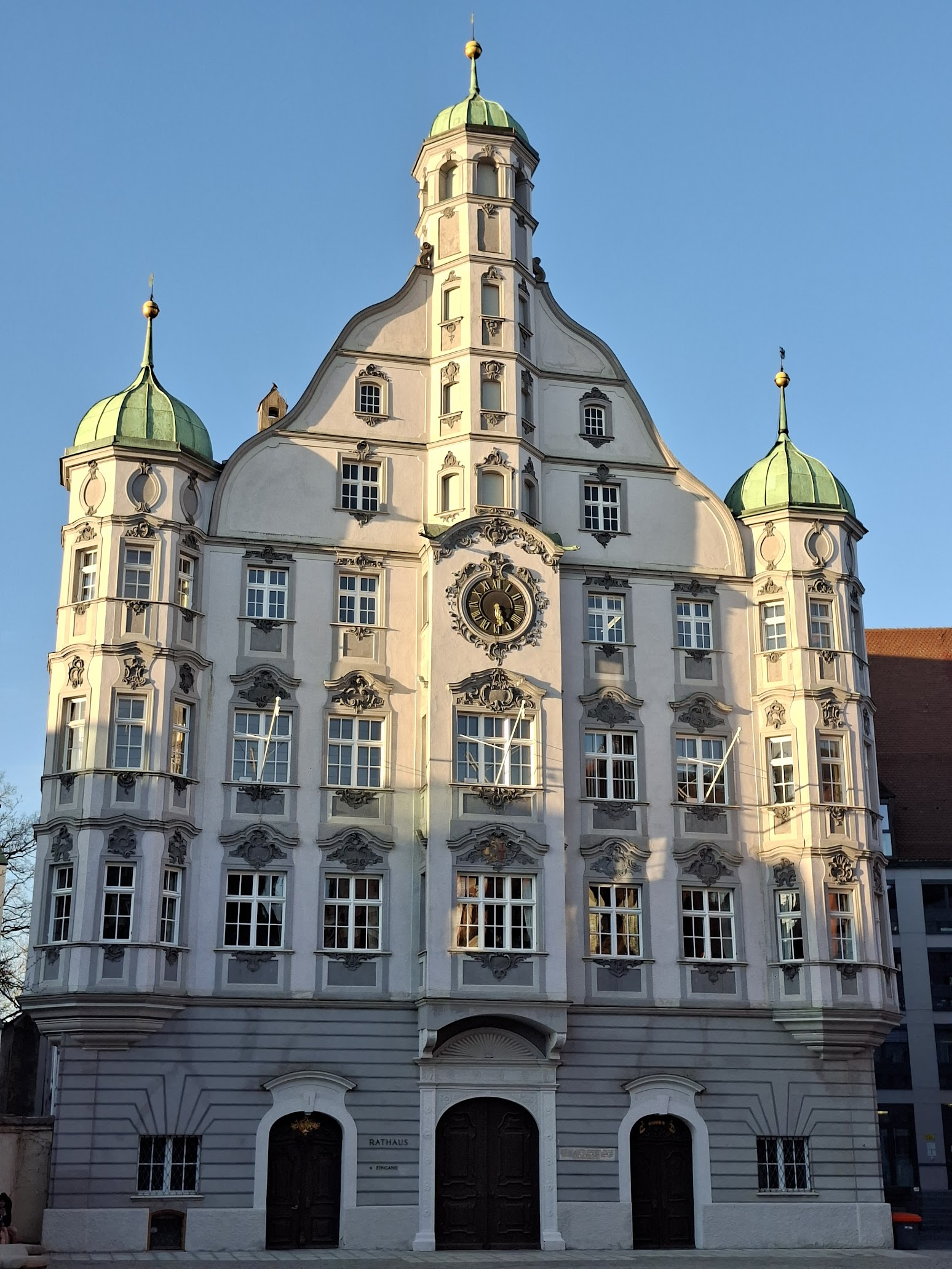
04 – Prefeitura / Rathaus / City Hall
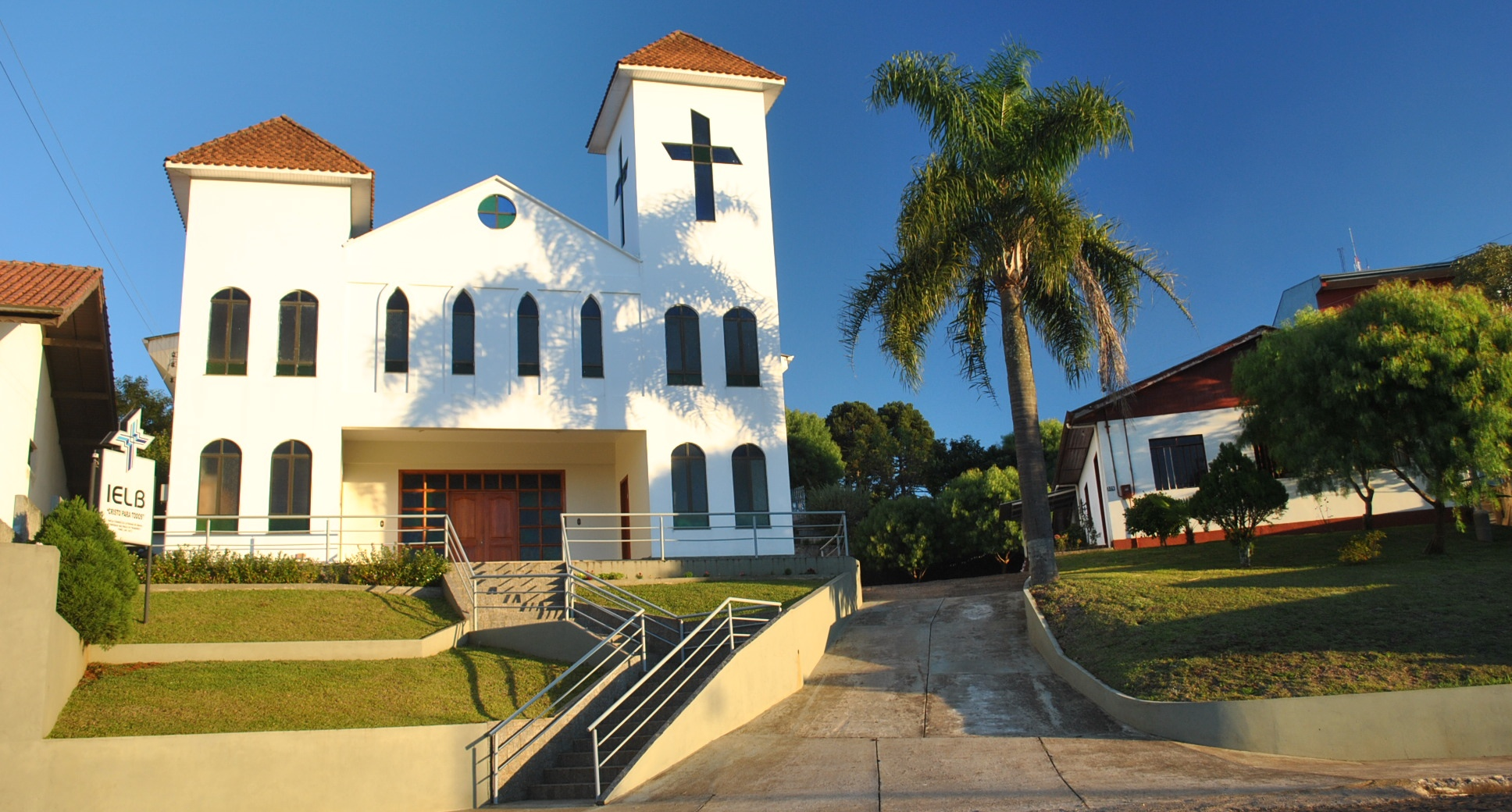
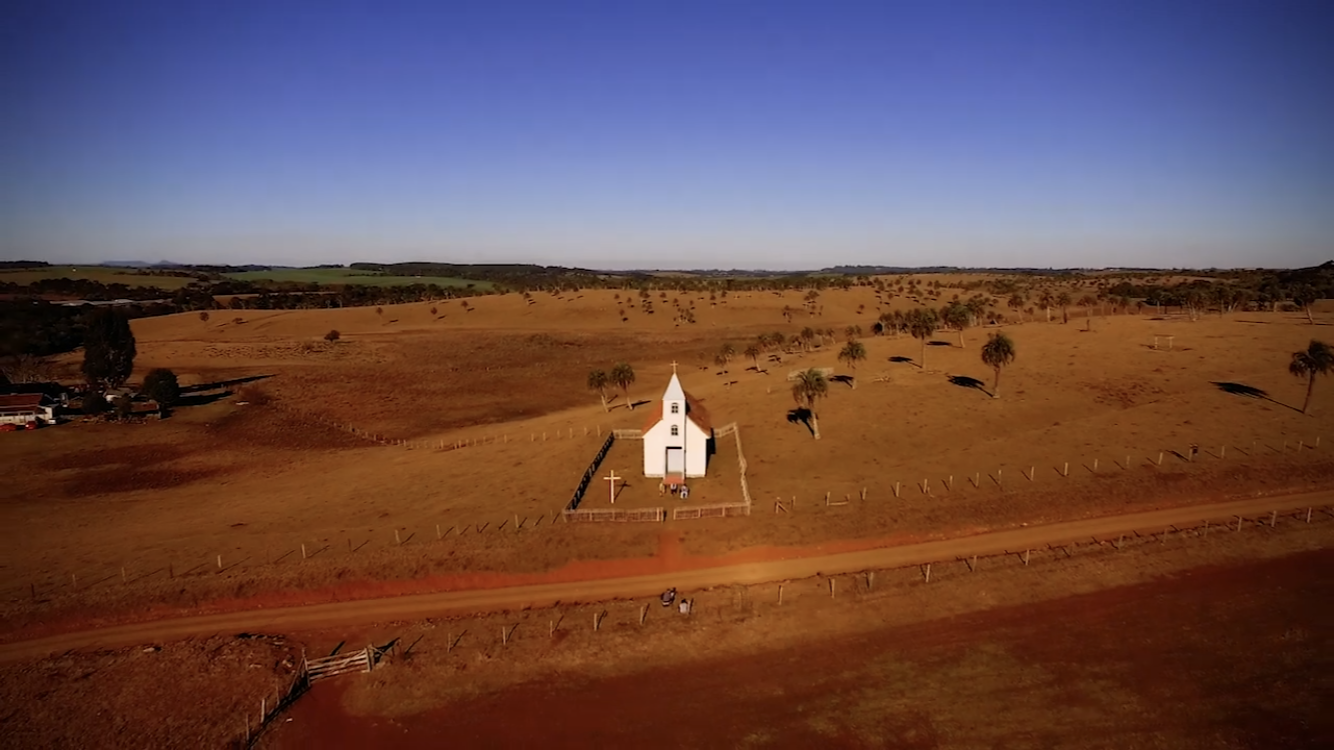
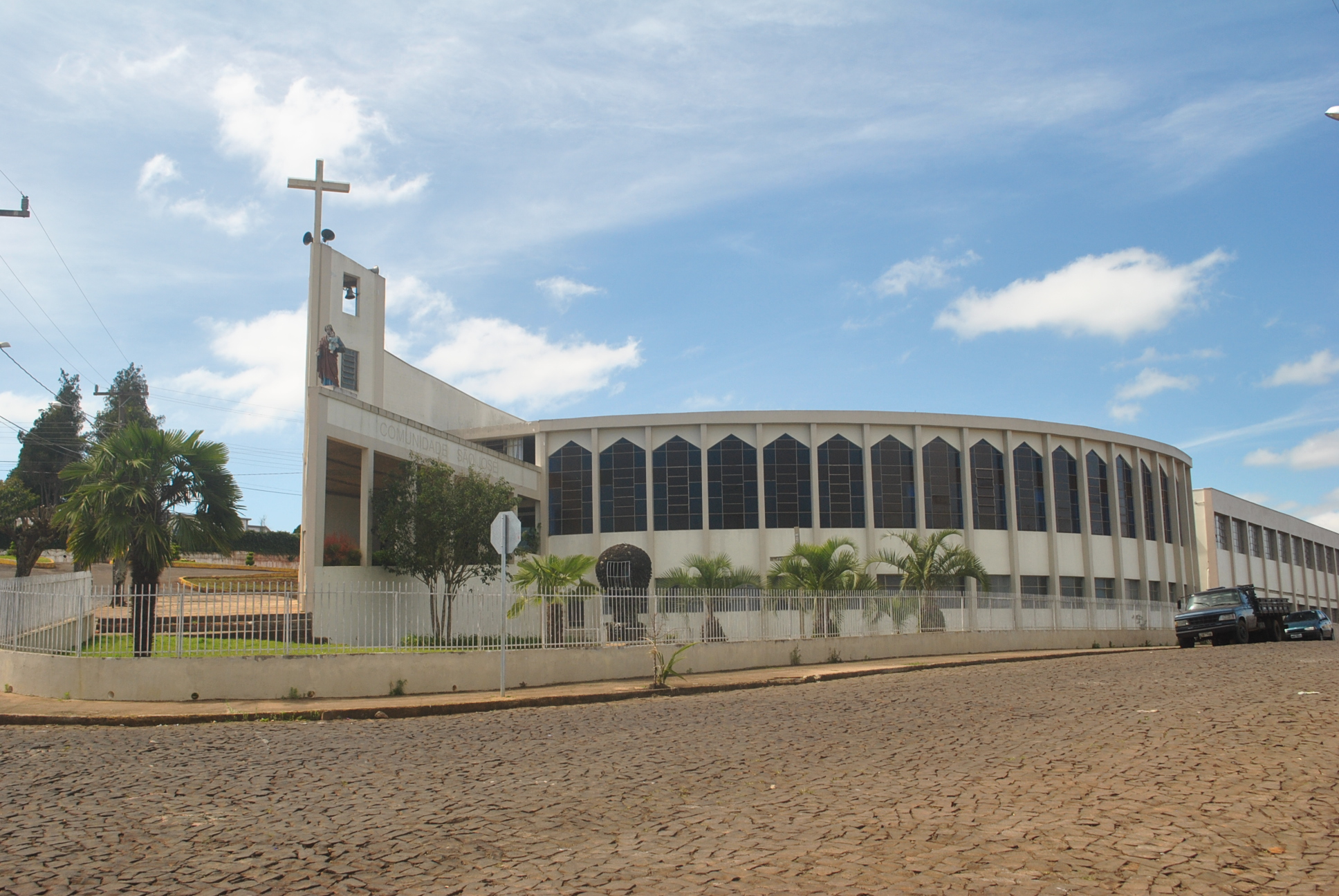
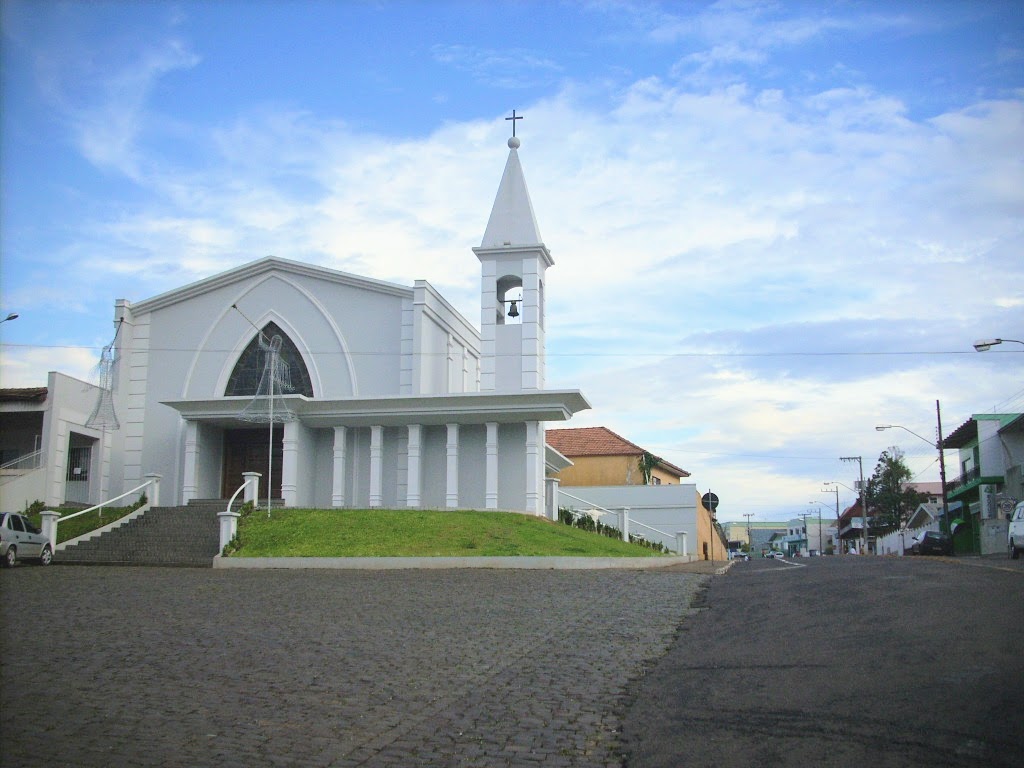
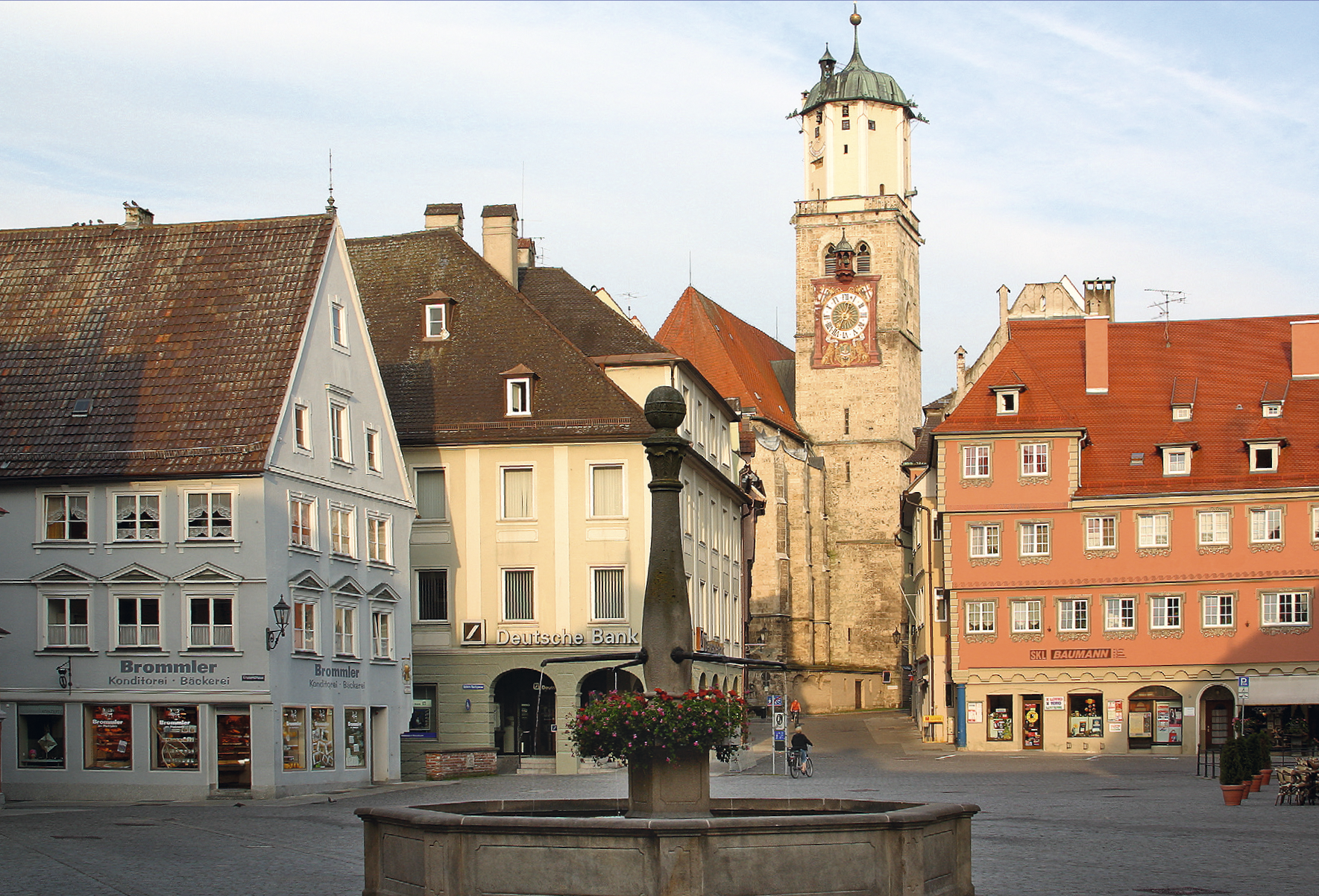
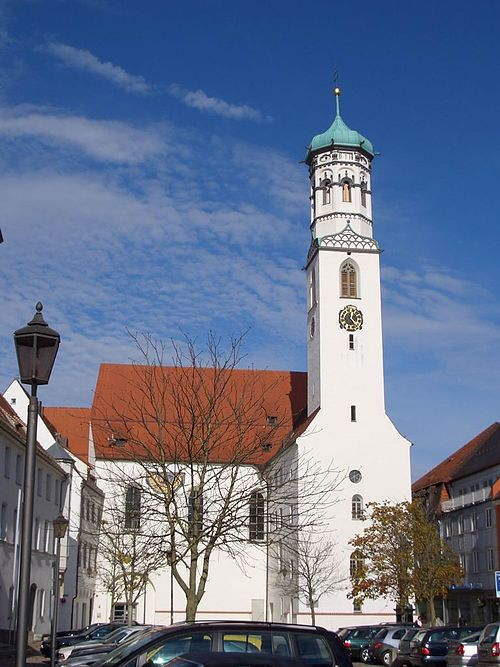
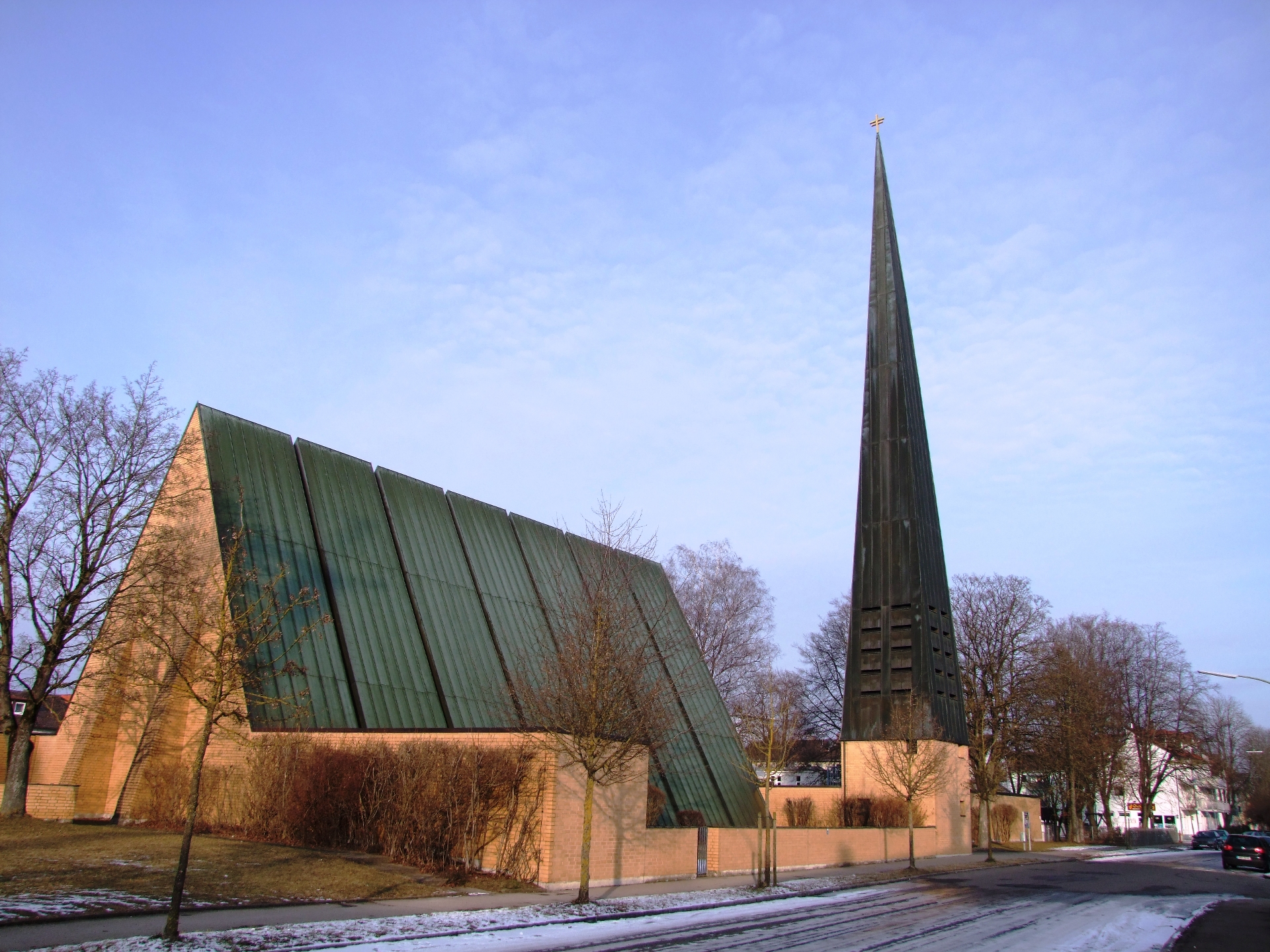
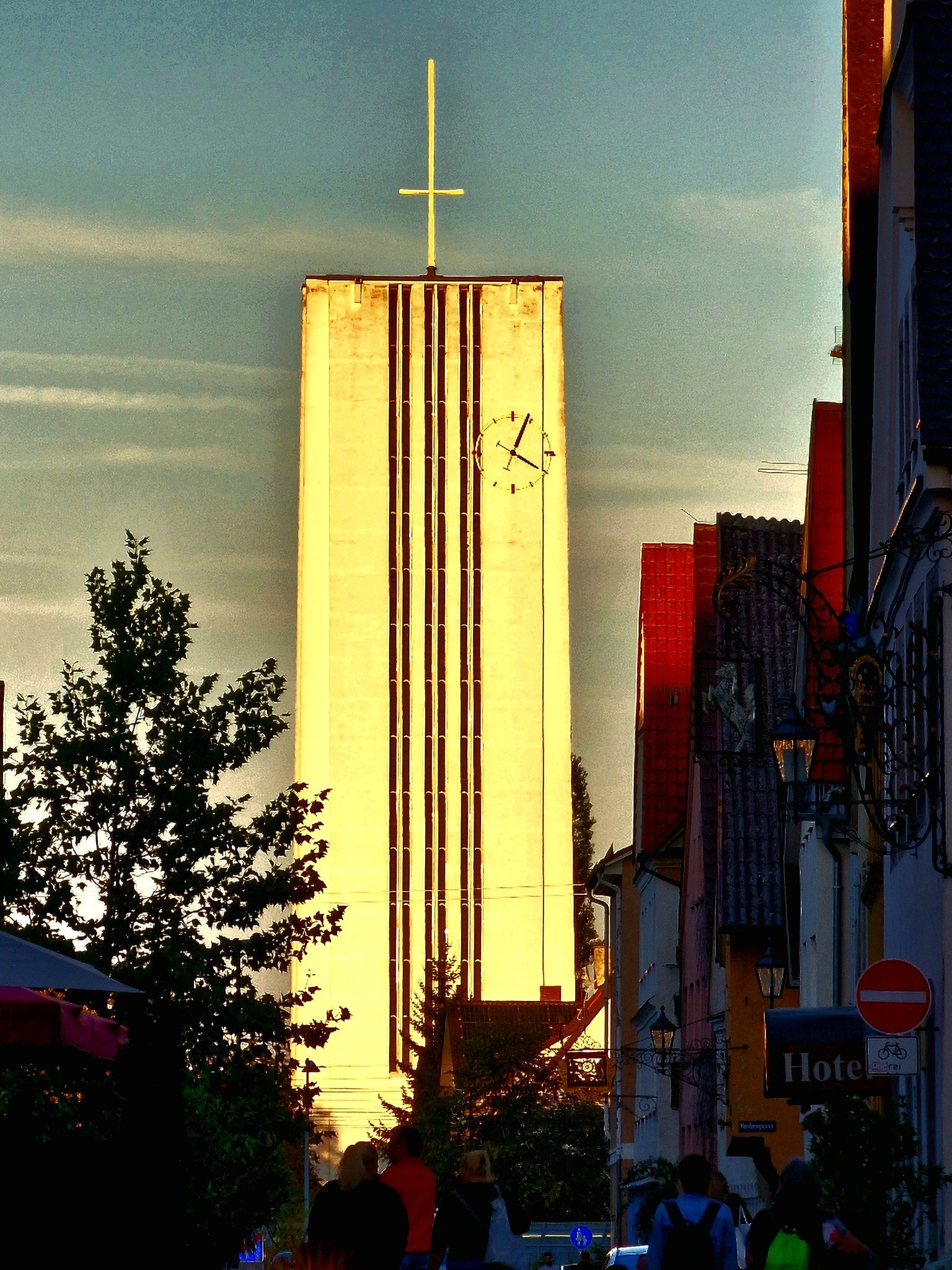
05 – Igrejas / Kirchen / Churches

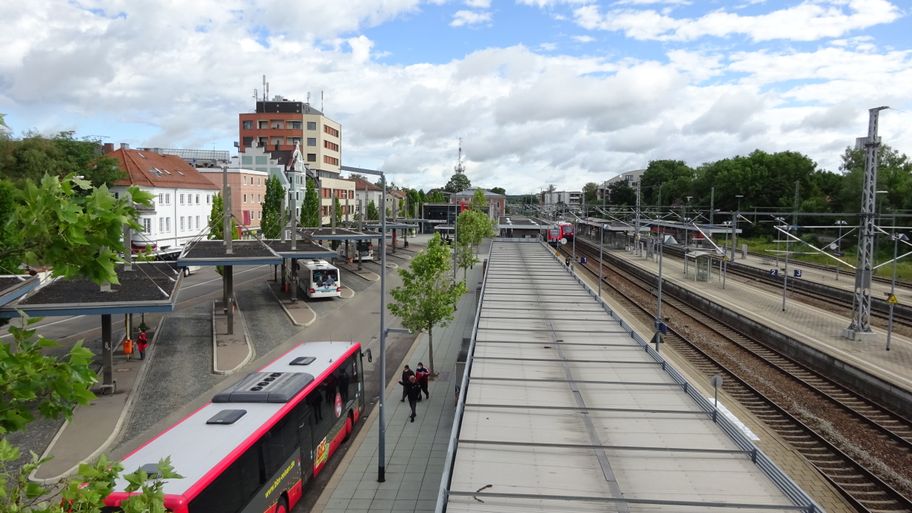
06 – Transportation
A rodoviária de Fraiburgo é bem imponente e fica em uma das partes mais altas da cidade, logo na chegada, ela faz o papel do que seria o terminal de trens de Memmingen, é o que liga Fraiburgo as cidades vizinhas e outros estados.
Der Busbahnhof von Fraiburgo ist ziemlich beeindruckend und liegt in einem der höchsten Teile der Stadt, gleich bei der Ankunft. Er erfüllt eine ähnliche Rolle wie der Bahnhof in Memmingen und verbindet Fraiburgo mit Nachbarstädten und anderen Bundesstaaten.
The bus terminal in Fraiburgo is quite impressive and is located in one of the highest parts of the city, right at the entrance. It plays a role similar to the train station in Memmingen, connecting Fraiburgo to neighboring cities and other states.


A central de ônibus de Memmingen fica junto com a estação central trem, fica tudo bem integradinho, facilita muito. Esses são os ônibus interbairros.
Der zentrale Busbahnhof in Memmingen befindet sich direkt neben dem Hauptbahnhof, alles ist sehr gut integriert und erleichtert vieles. Das sind die Stadtbusse.
The central bus station in Memmingen is located right next to the main train station, everything is well integrated, which makes things much easier. These are the local city buses.
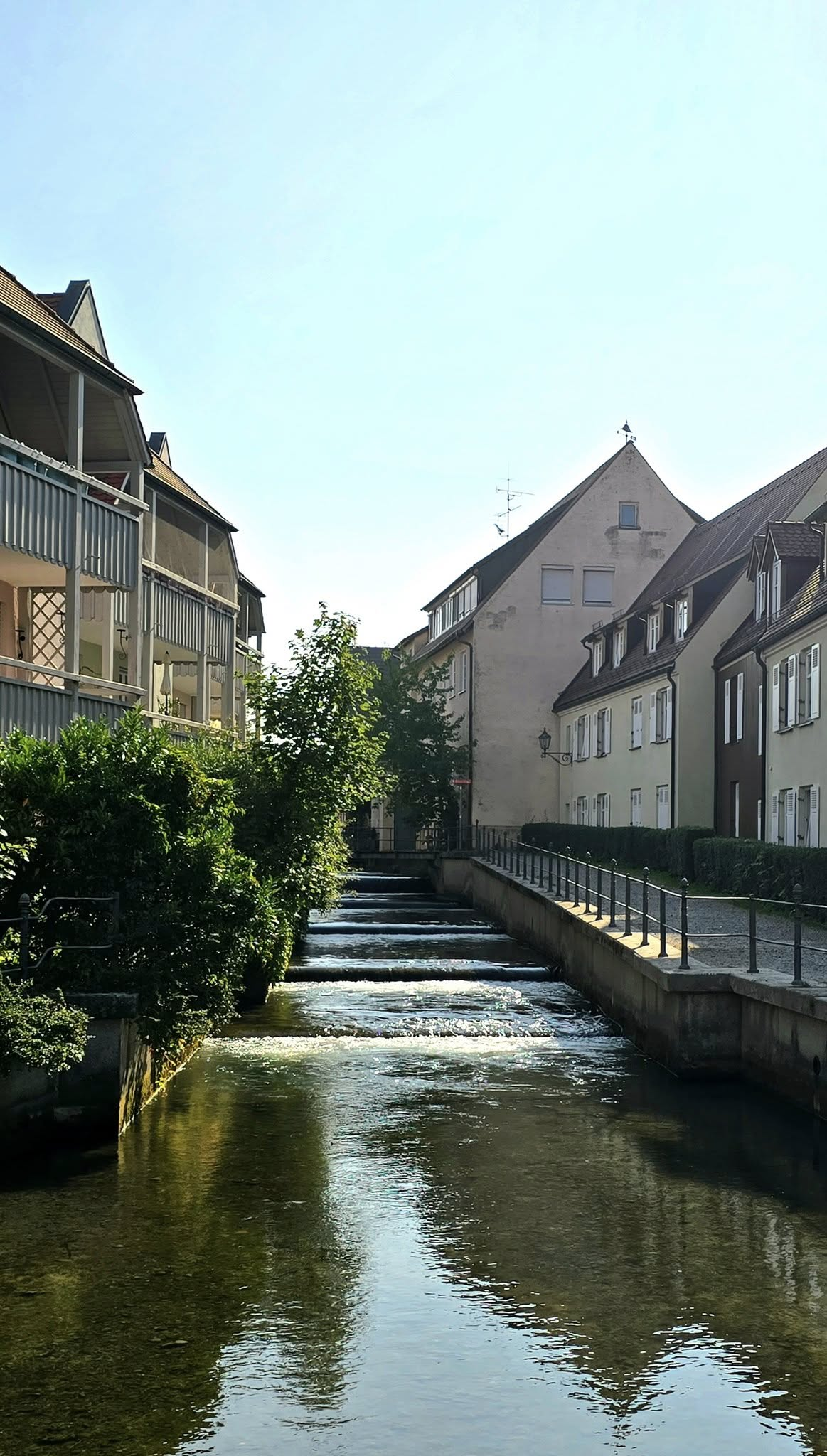
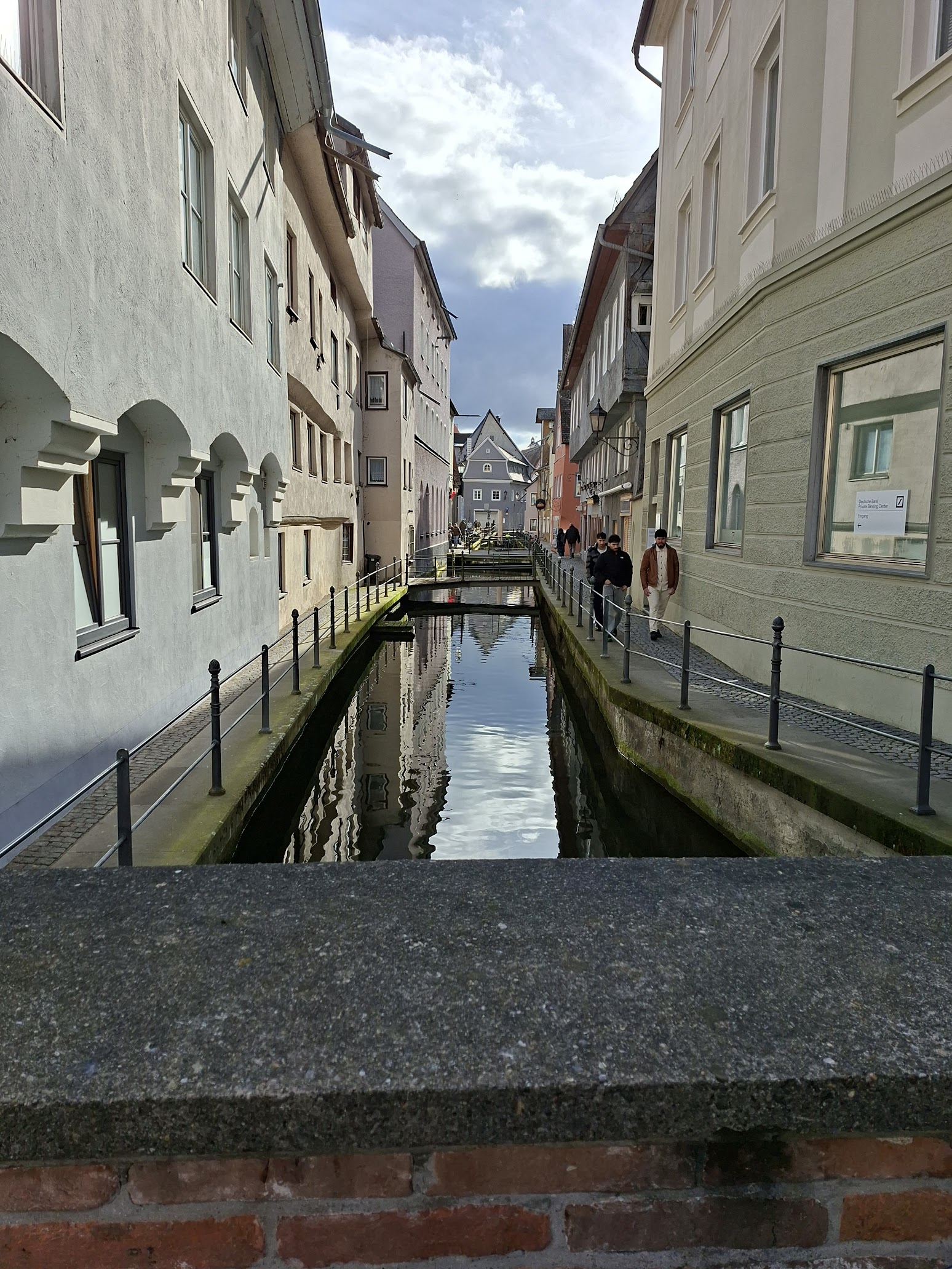
07 – Riachos / Bäche / Streams
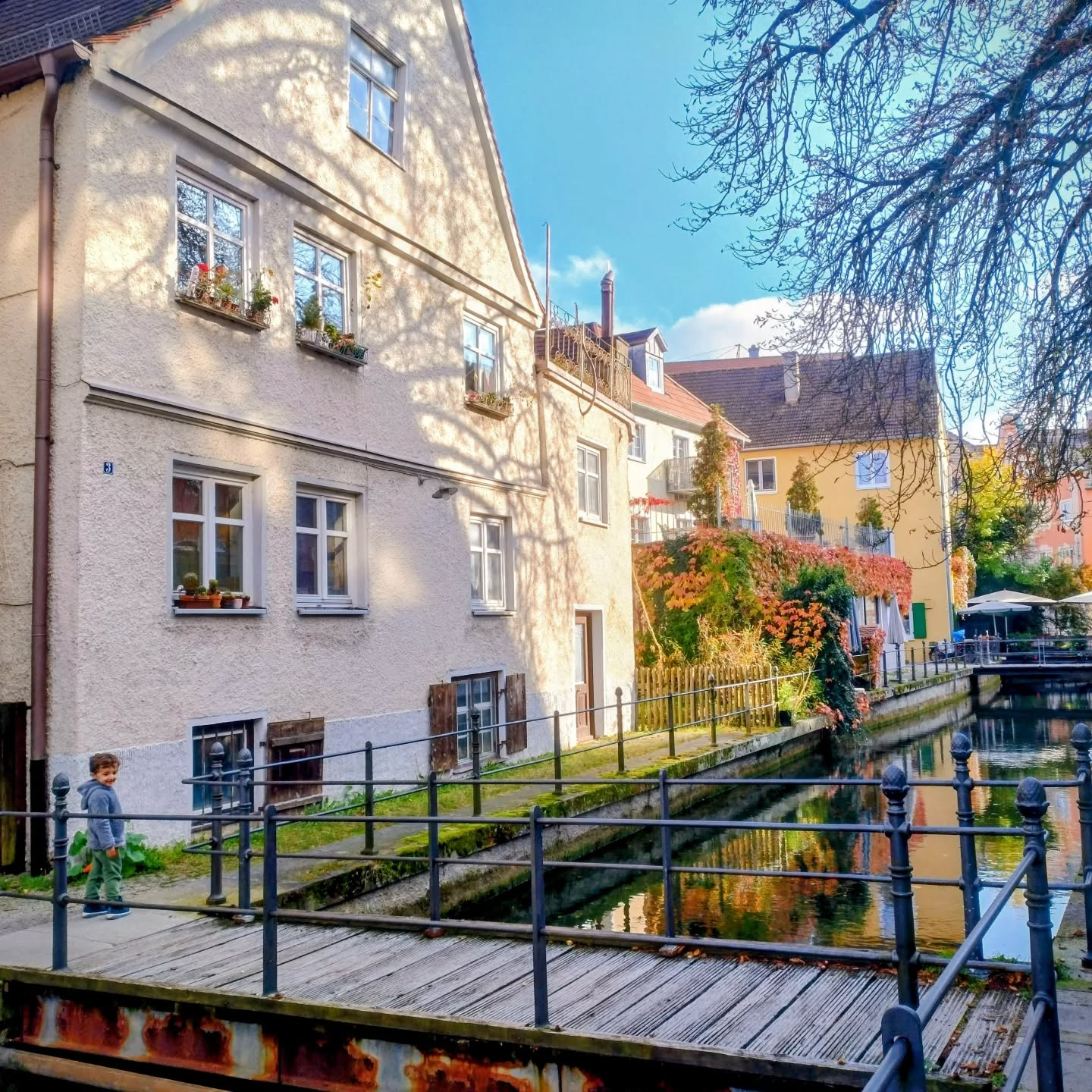
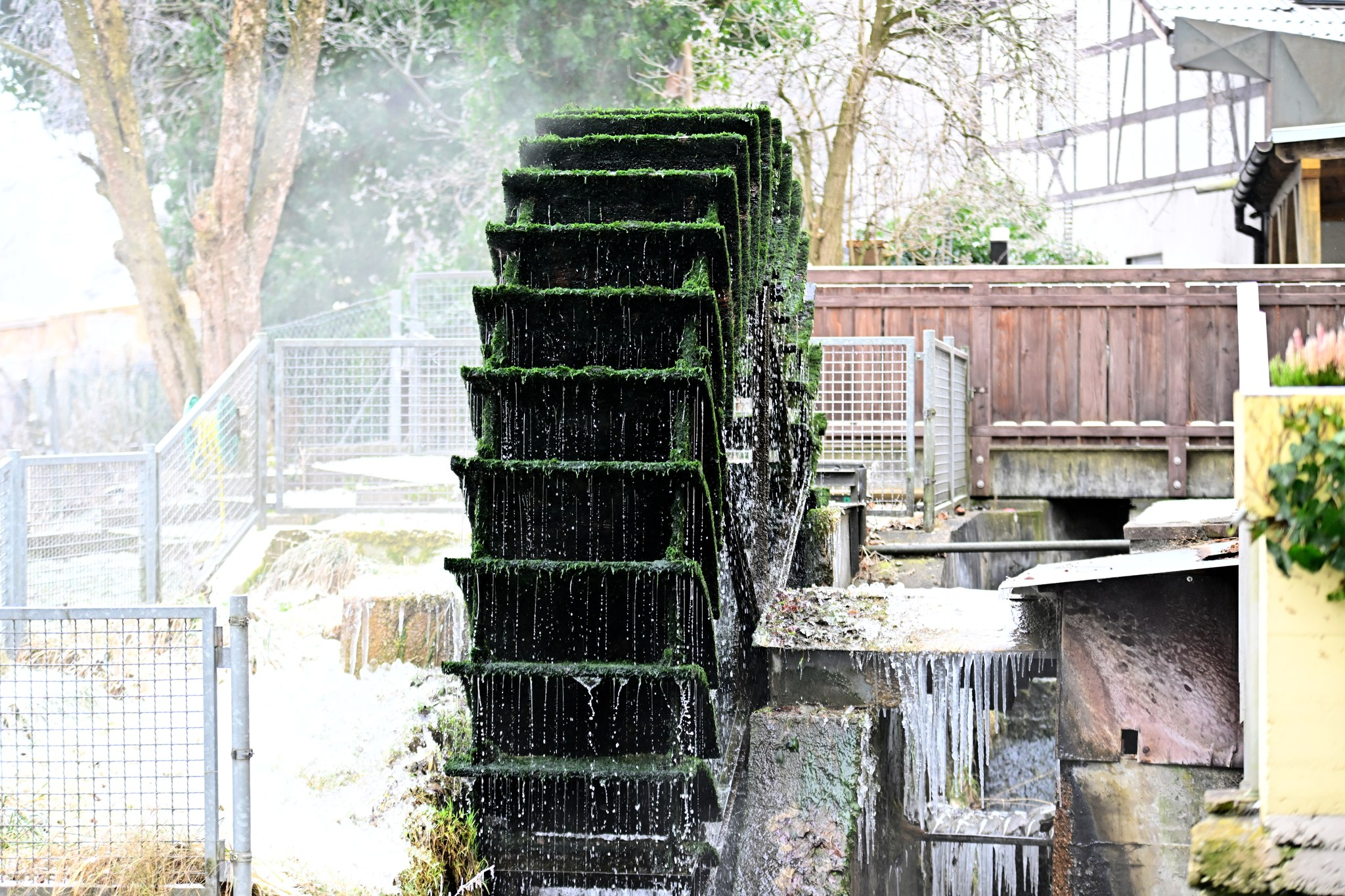
Ambas as cidades tem muitos riachos, Fraiburgo está a 1100 metros do nível do mar enquanto Memmingen 600, Fraiburgo tem mais cachoeiras. Ambas tem seus riachos cruzando o centro da cidade.
Beide Städte haben viele Bäche. Fraiburgo liegt auf etwa 1.100 Metern über dem Meeresspiegel, während Memmingen auf etwa 600 Metern liegt. Fraiburgo hat mehr Wasserfälle. In beiden Städten durchqueren Bäche das Stadtzentrum.
Both cities have many streams. Fraiburgo is at about 1,100 meters above sea level, while Memmingen is at about 600 meters. Fraiburgo has more waterfalls. In both cities, streams run through the city center.
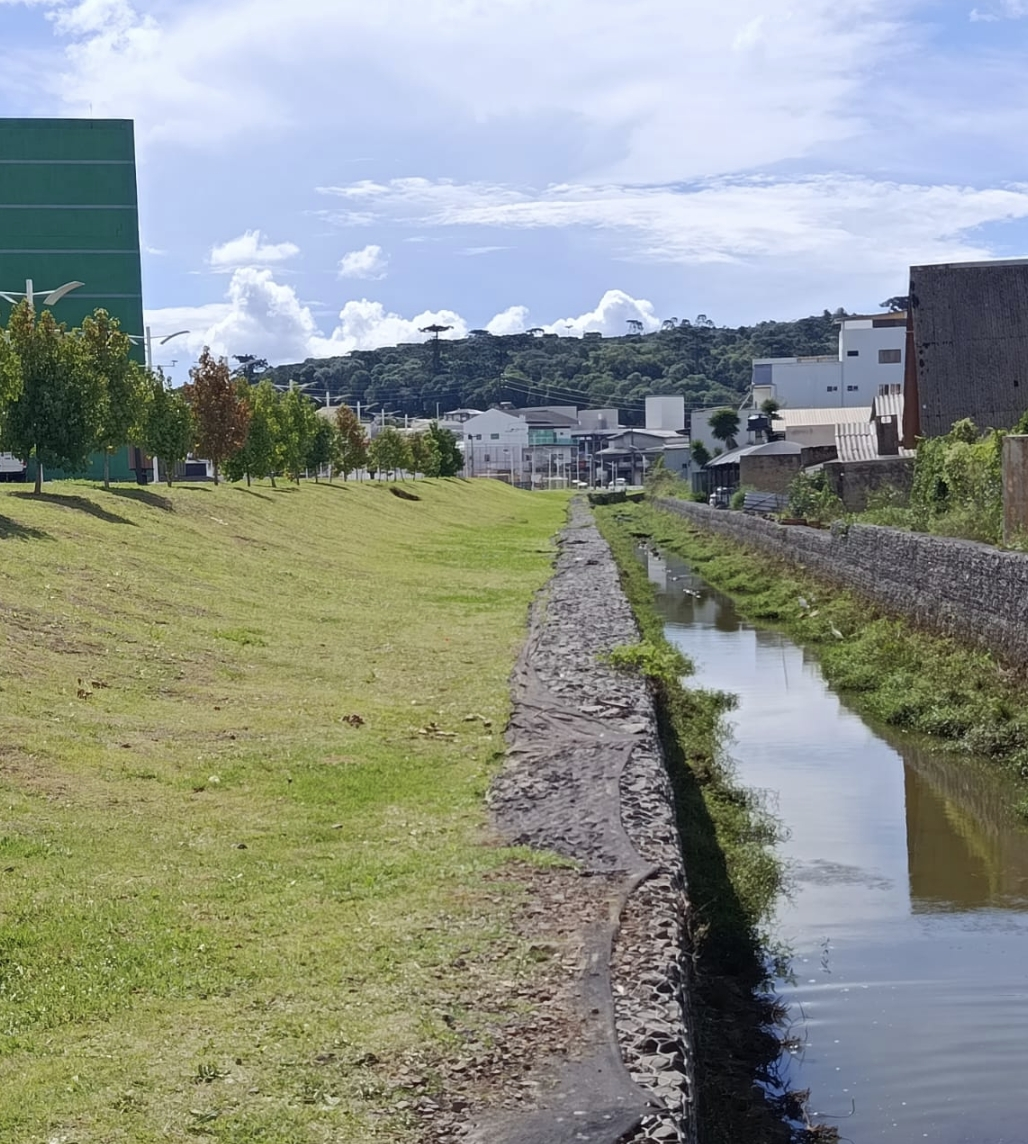
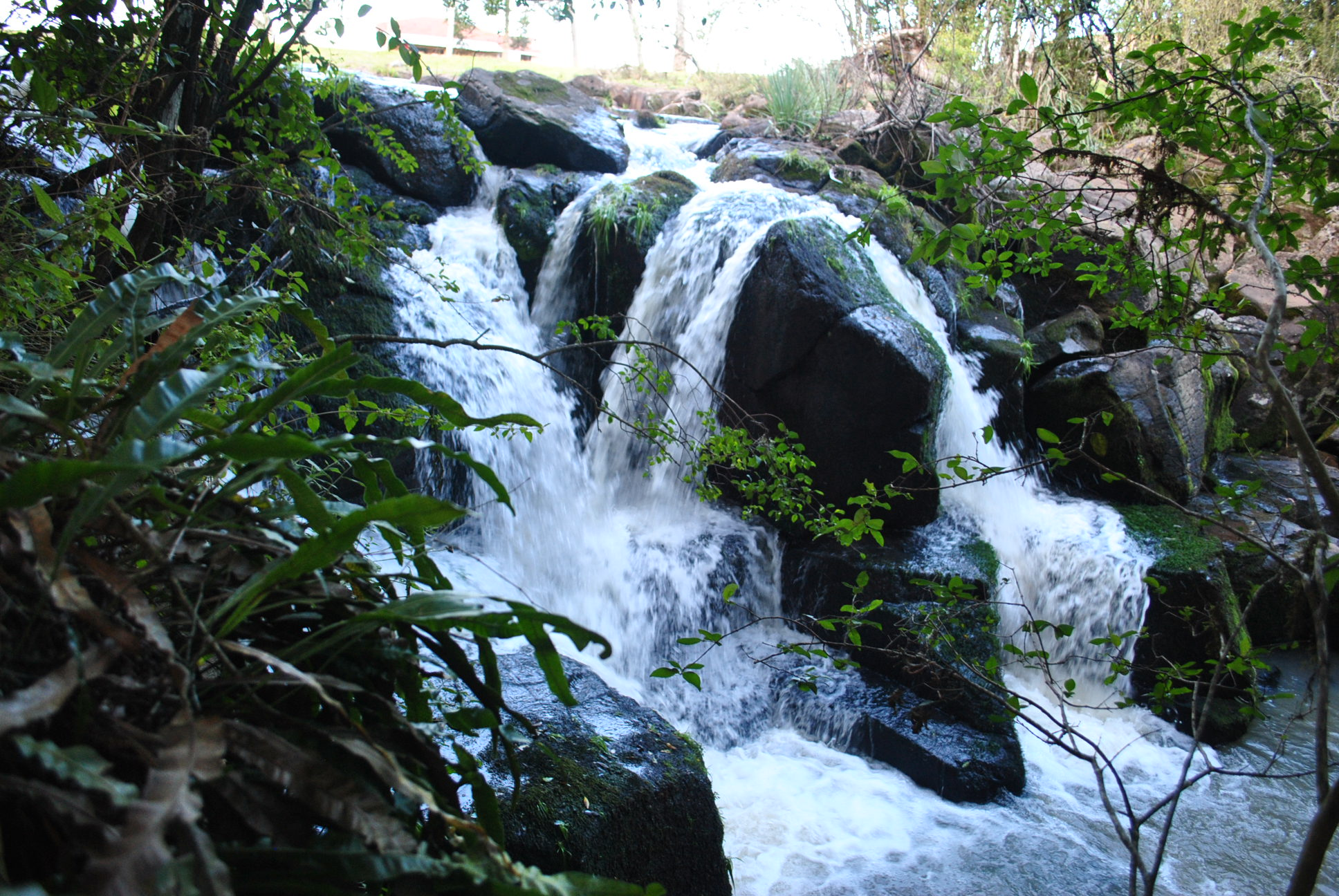
Alguns quilômetros à frente, esse pequeno arroio se transforma na cachoeira abaixo.
Einige Kilometer weiter verwandelt sich dieser kleine Bach in den Wasserfall unten
A few kilometers ahead, this small stream turns into the waterfall below.
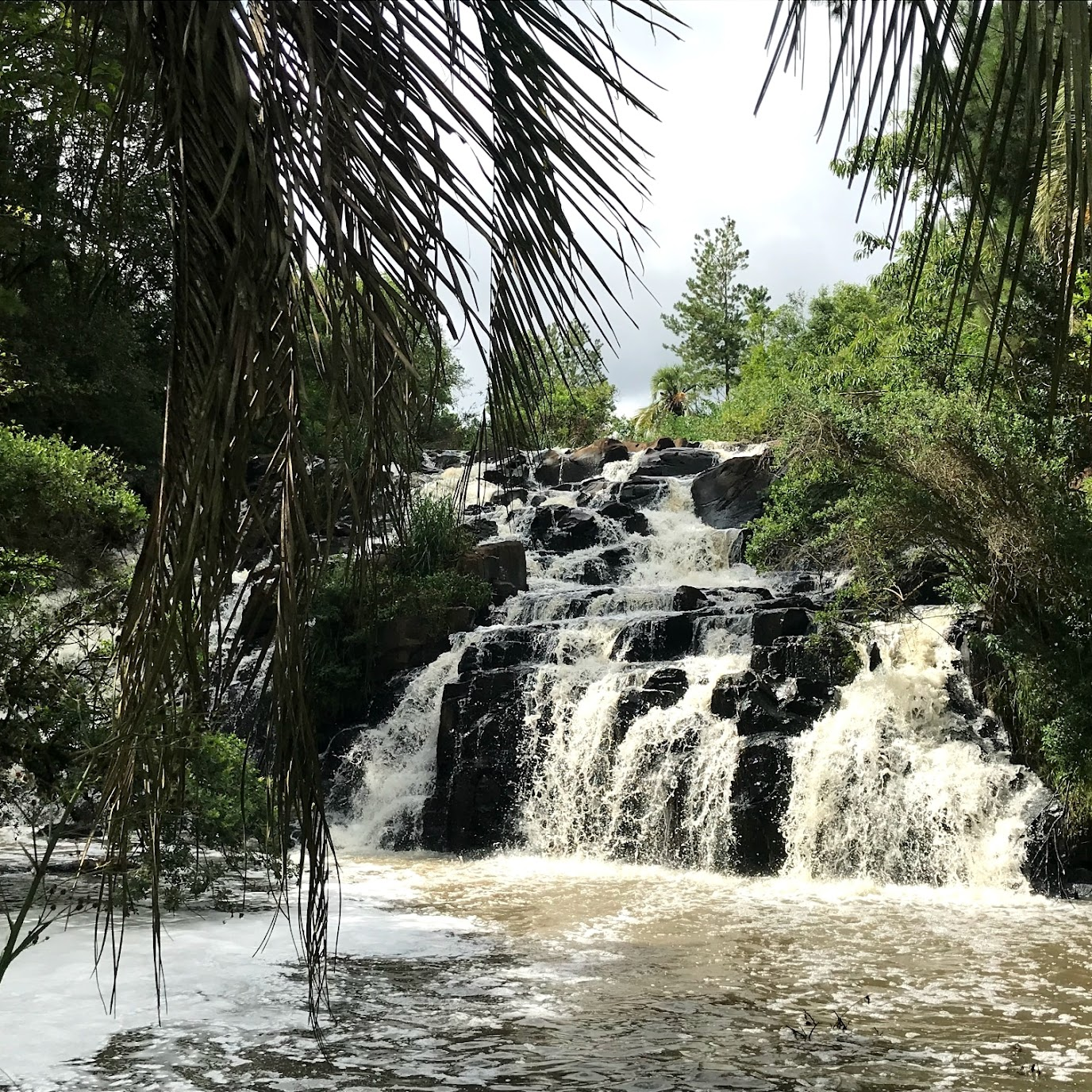
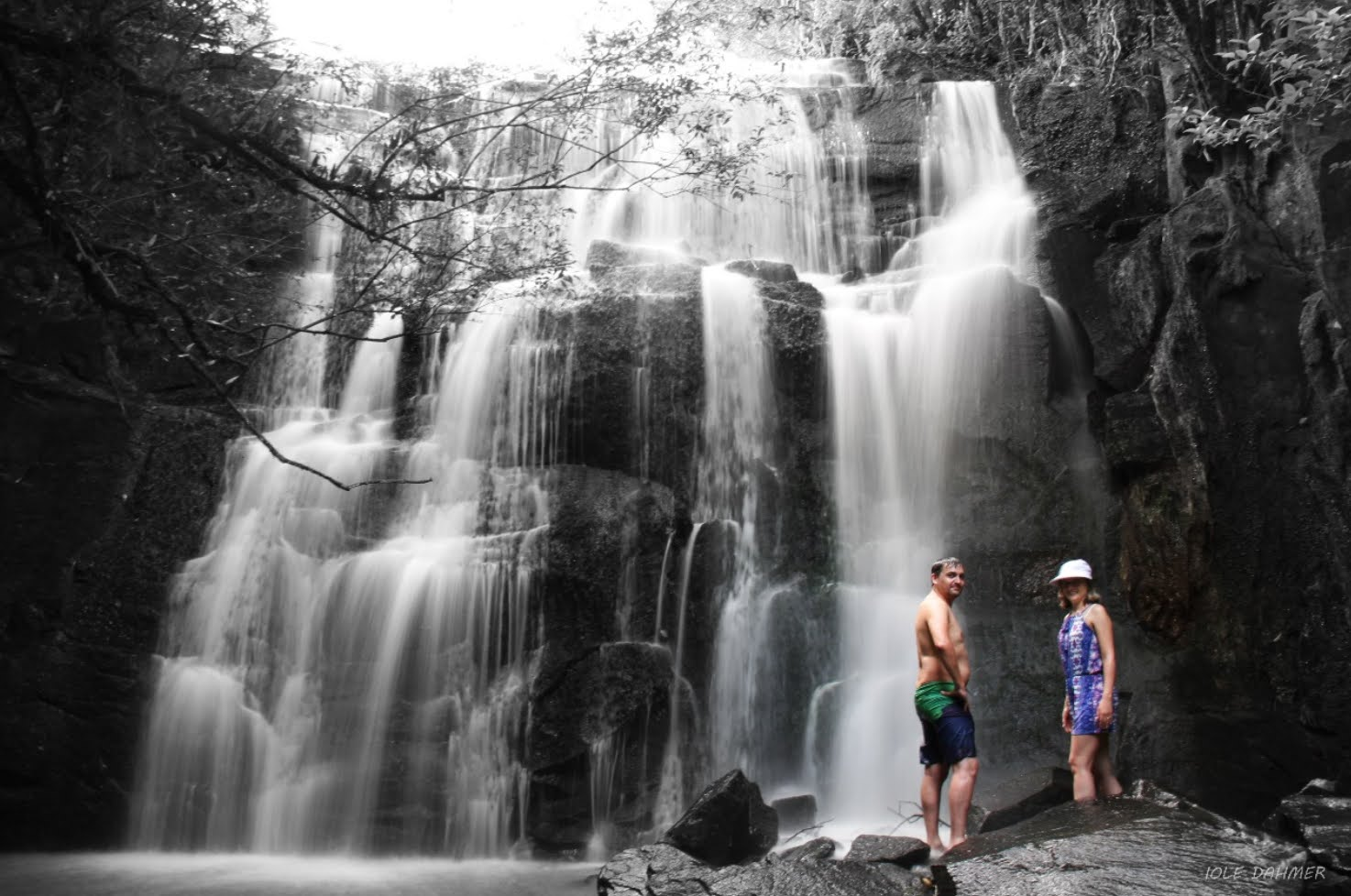
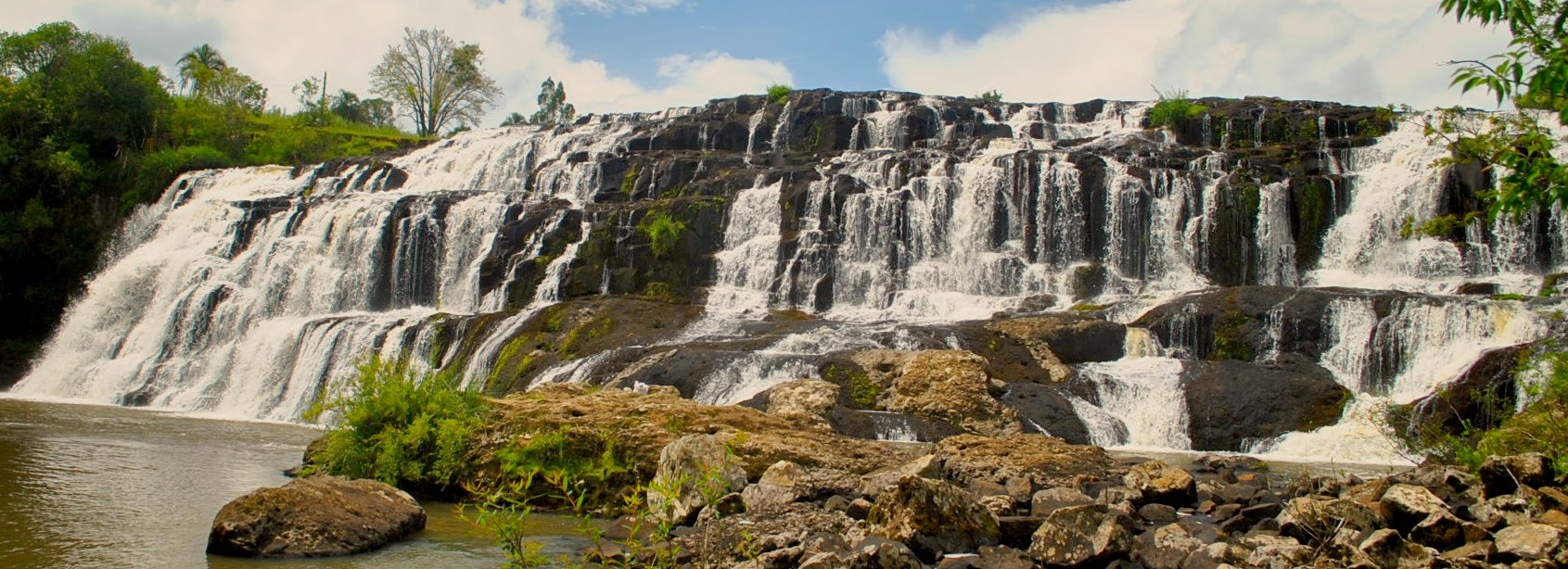
Aqui já são outras cascatas espalhadas nas proximidades de Fraiburgo.
Hier sind weitere Wasserfälle, die in der Umgebung von Fraiburgo verteilt sind.
Here are other waterfalls spread across the surroundings of Fraiburgo.
08 – Lagos / Seen / Lakes
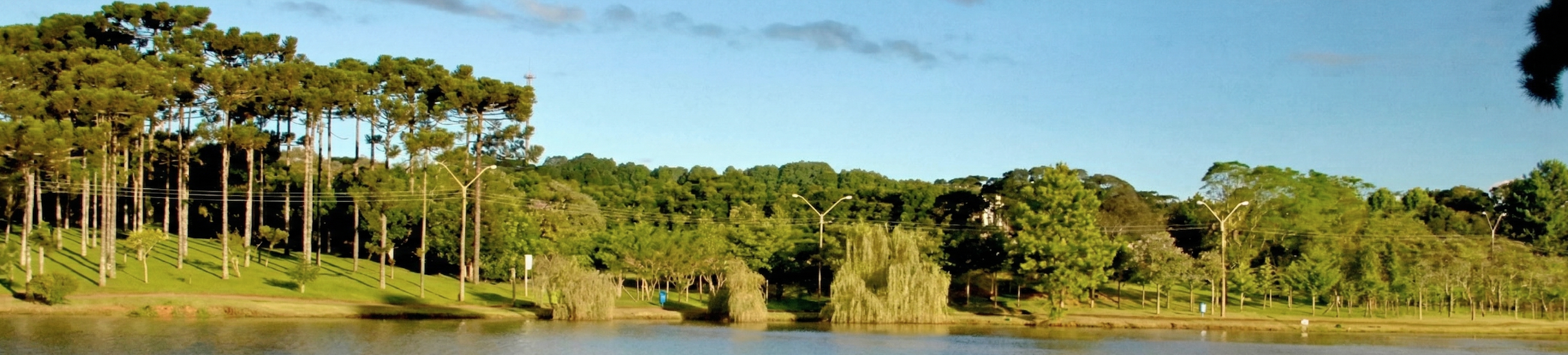
No centro da cidade temos um açude que chamamos de lago e que se parece muito com o açude de Buxheim (bem próximo de Memmigen).
Im Stadtzentrum haben wir einen Teich, den wir „Lago“ nennen und der dem Weiher in Buxheim (ganz in der Nähe von Memmingen) sehr ähnelt.
In the city center, we have a pond that we call a “lake,” which is very similar to the one in Buxheim (very close to Memmingen).
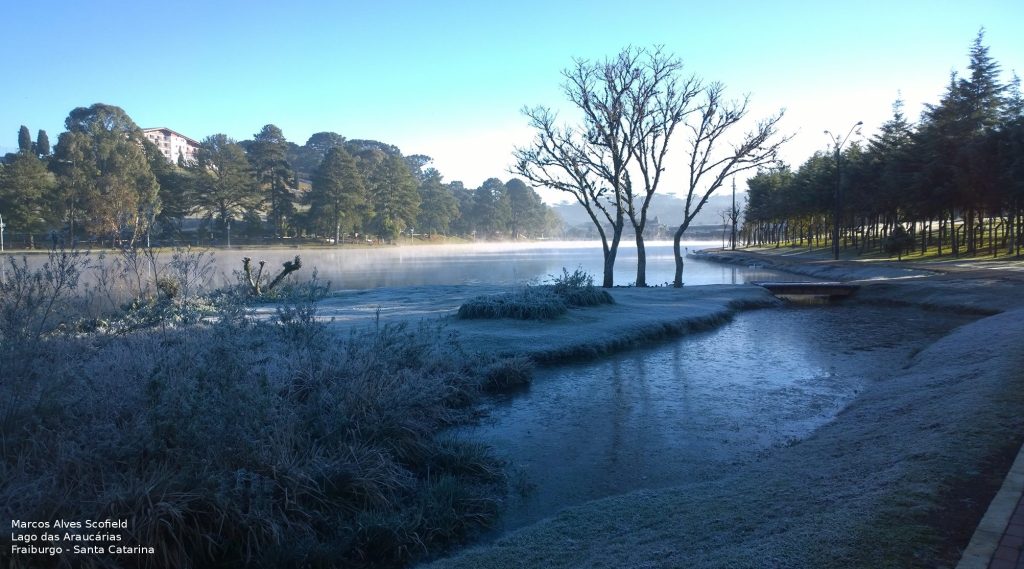
Lago das Araucárias – Fraiburgo
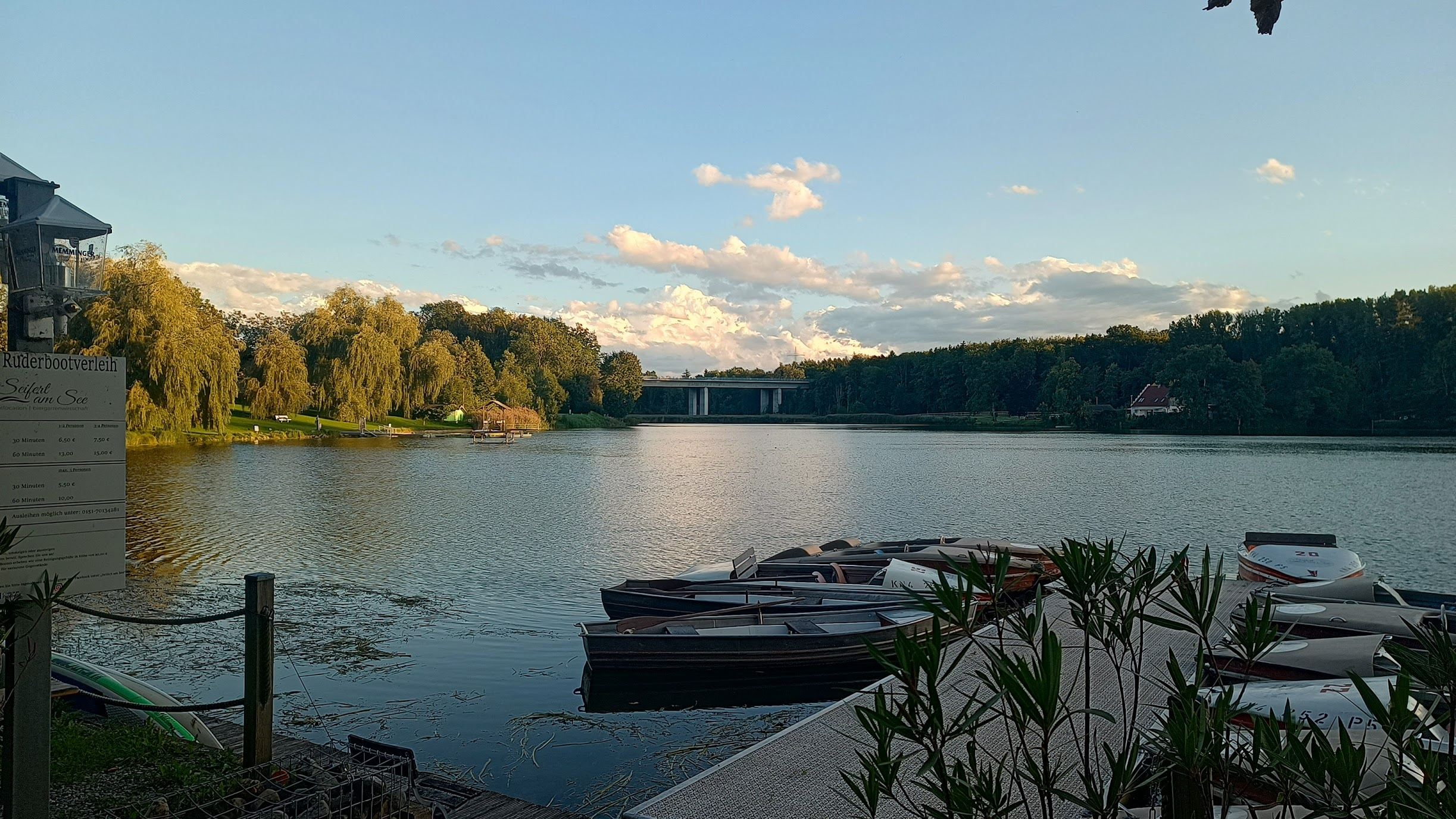
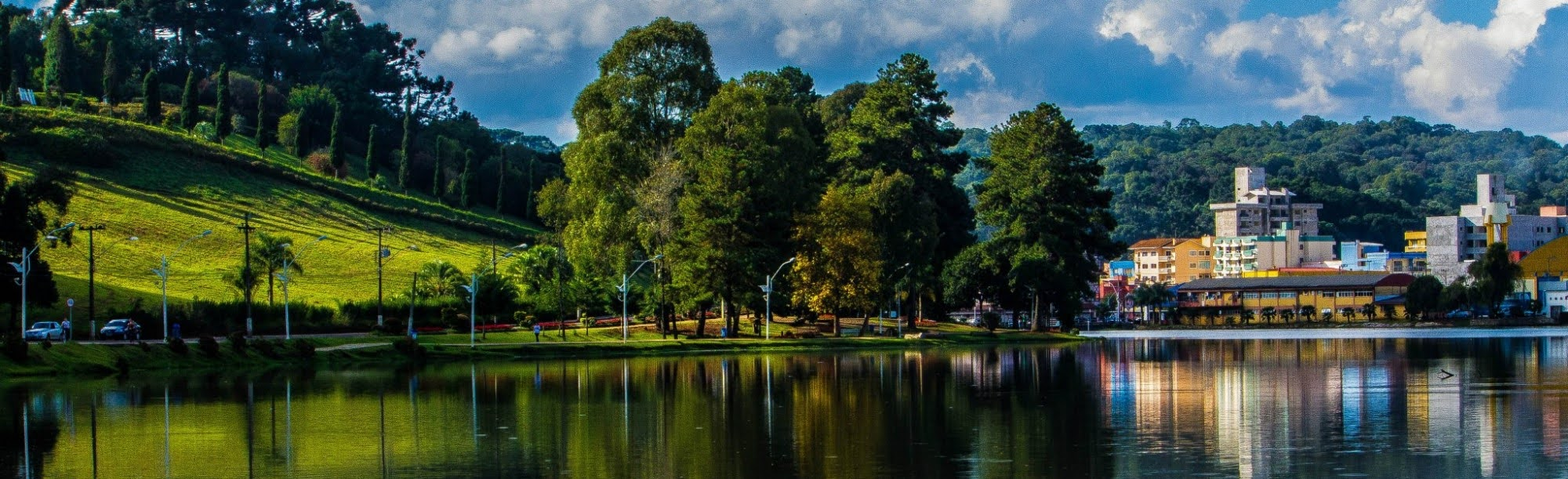
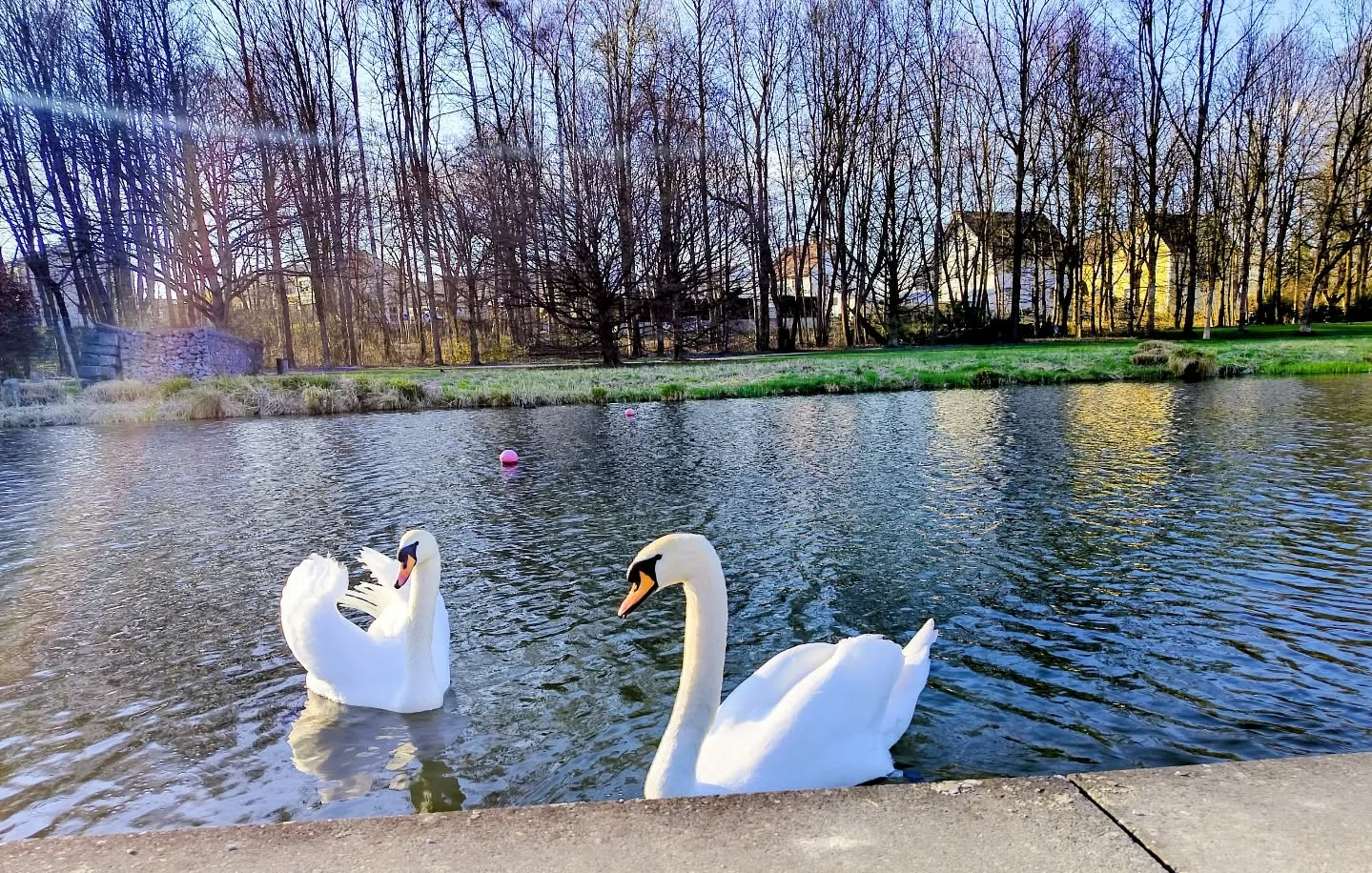
Se por um lado Memmingem tem cisnes no lago da cidade…
Einerseits hat Memmingen Schwäne im Stadtsee
On the one hand, Memmingen has swans in the city lake…
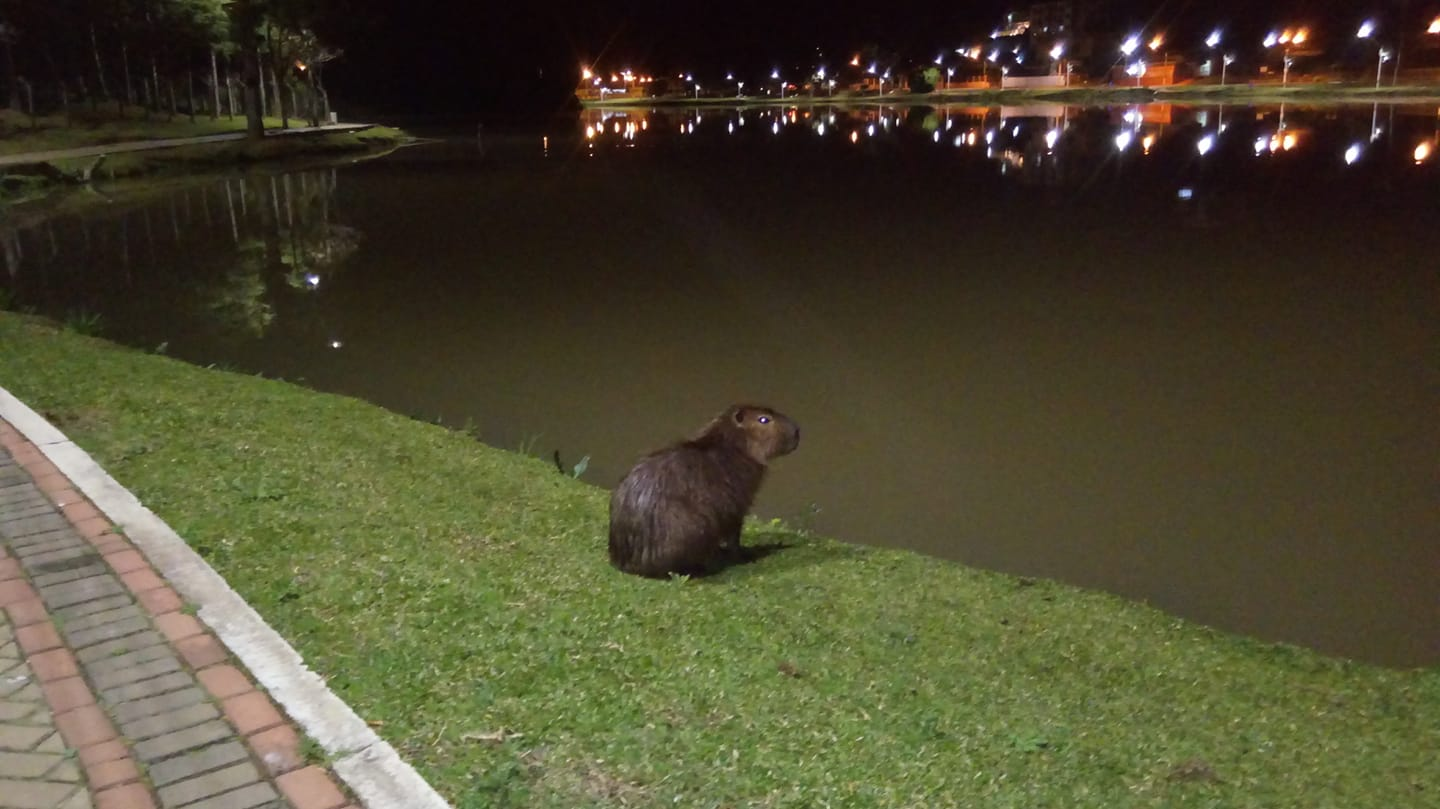
Nós por outro lado temos Capivaras…
Wir hingegen haben Capybaras…
On the other hand, we have capybaras…
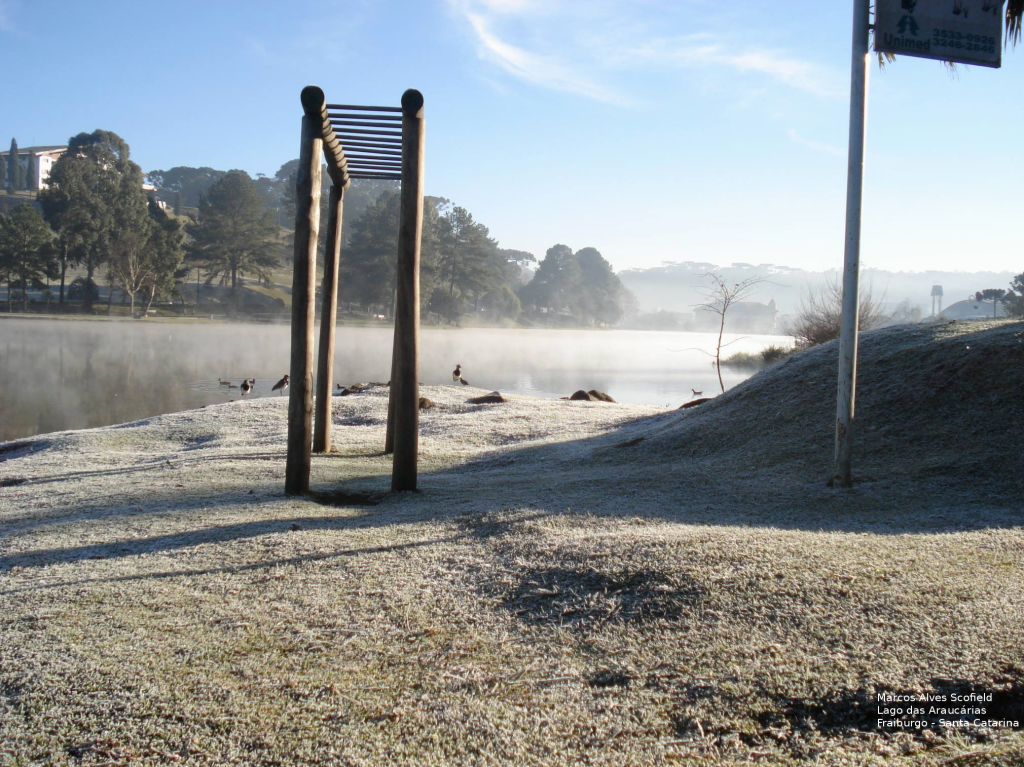
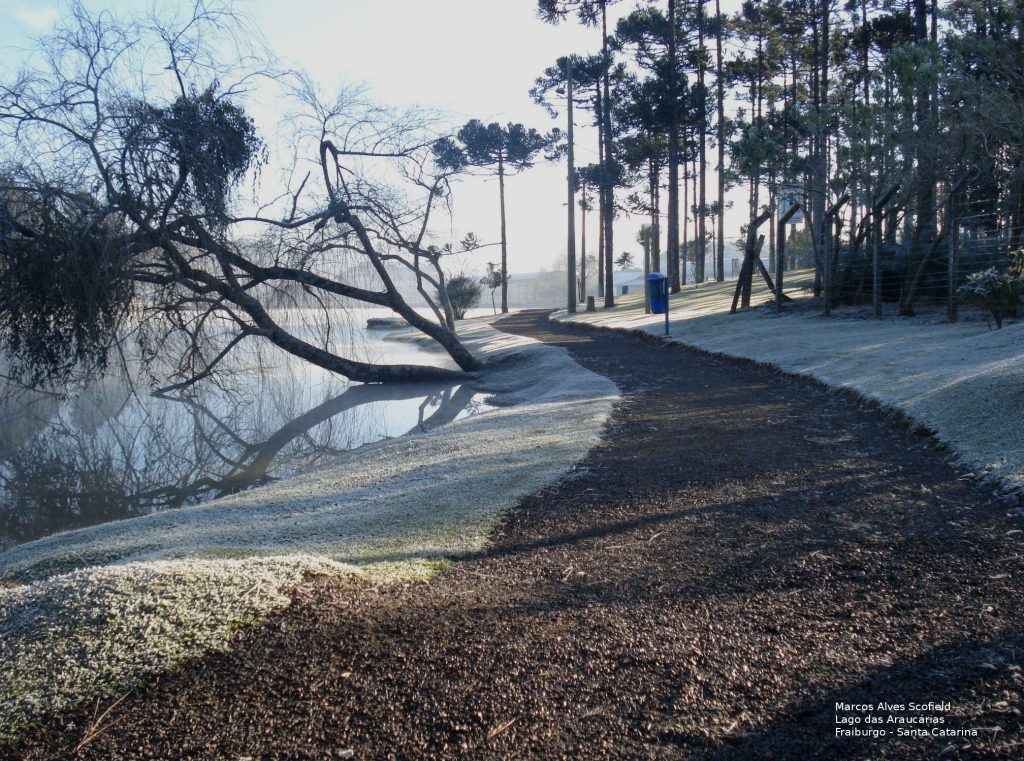
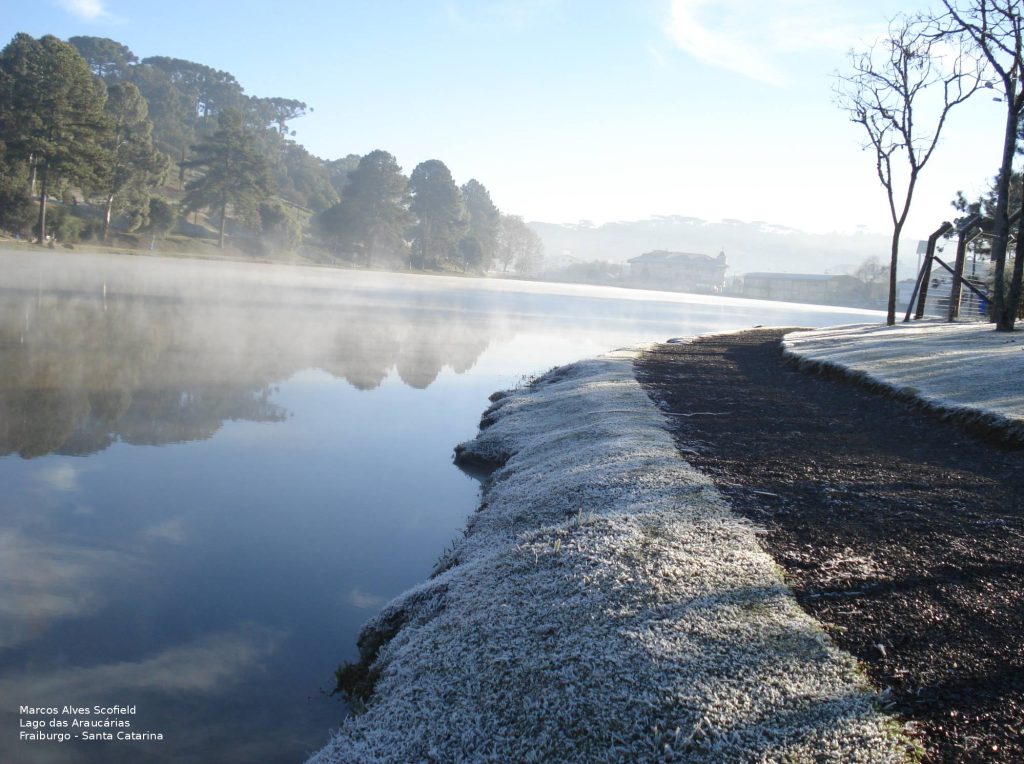
Neve / Schnee / Snow
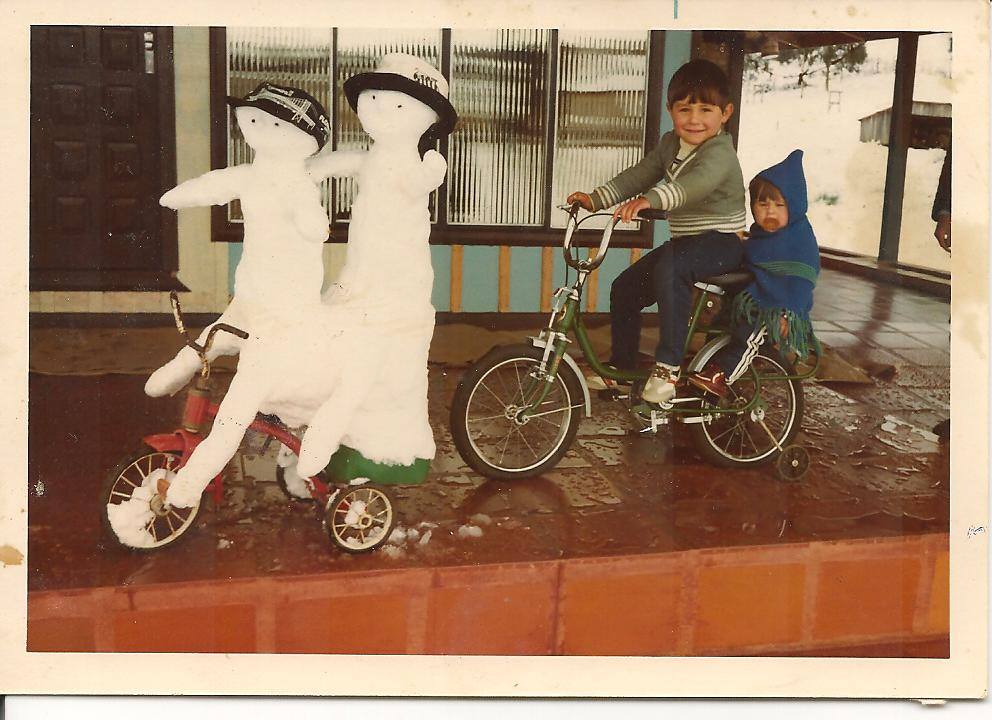
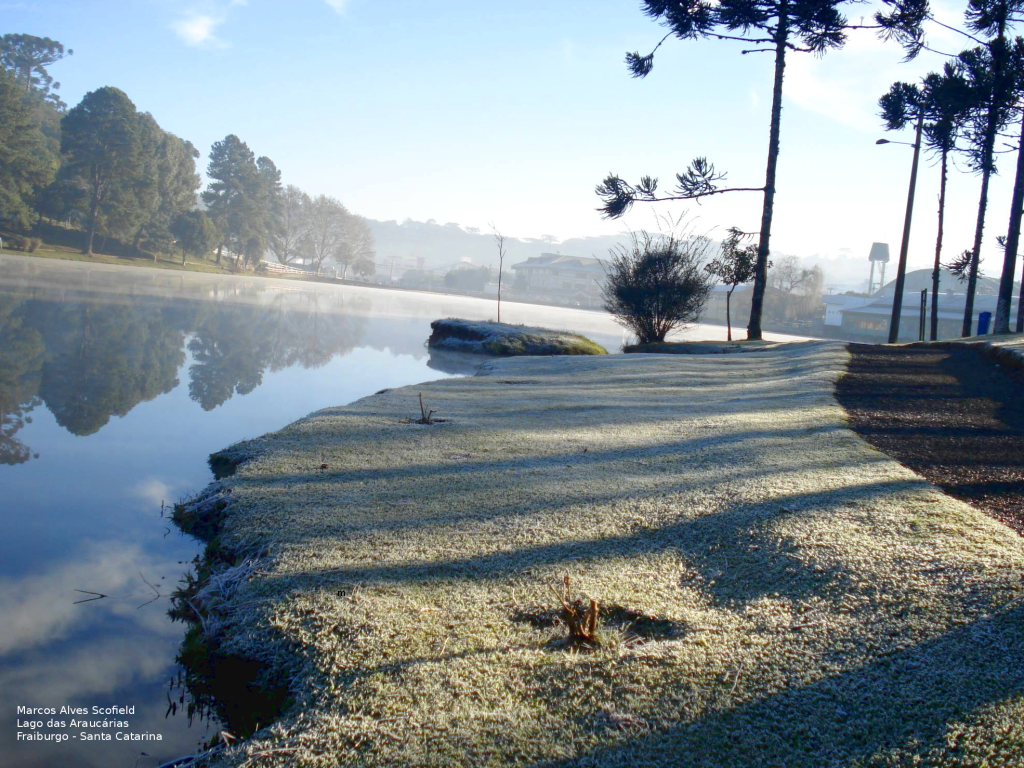
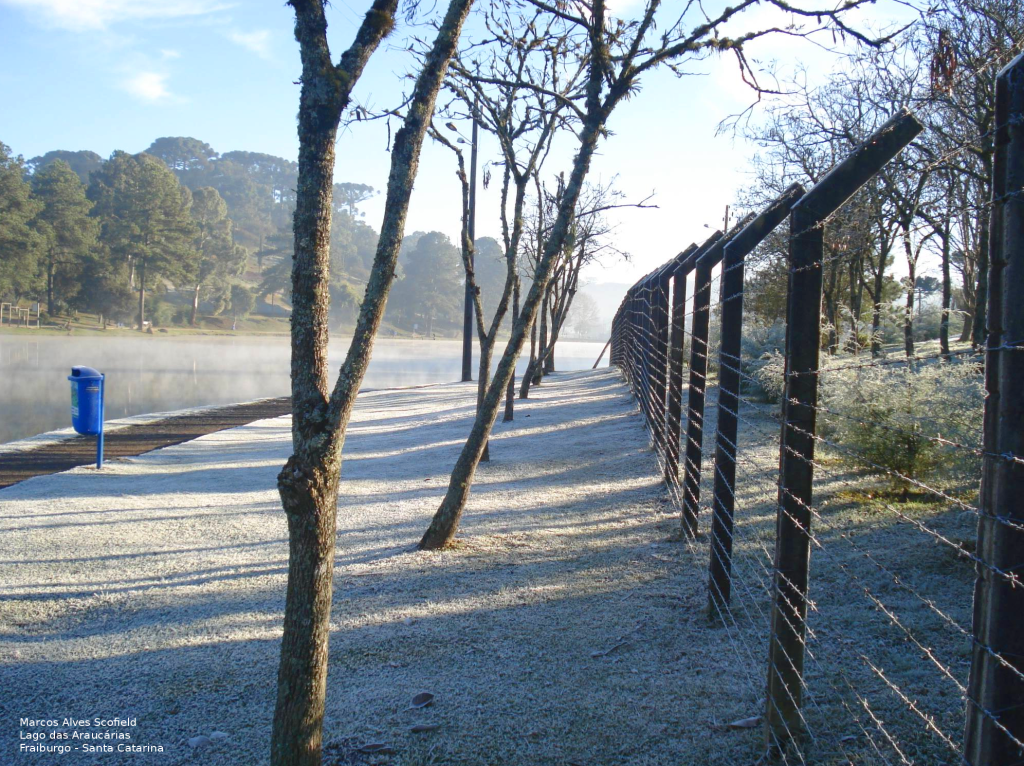
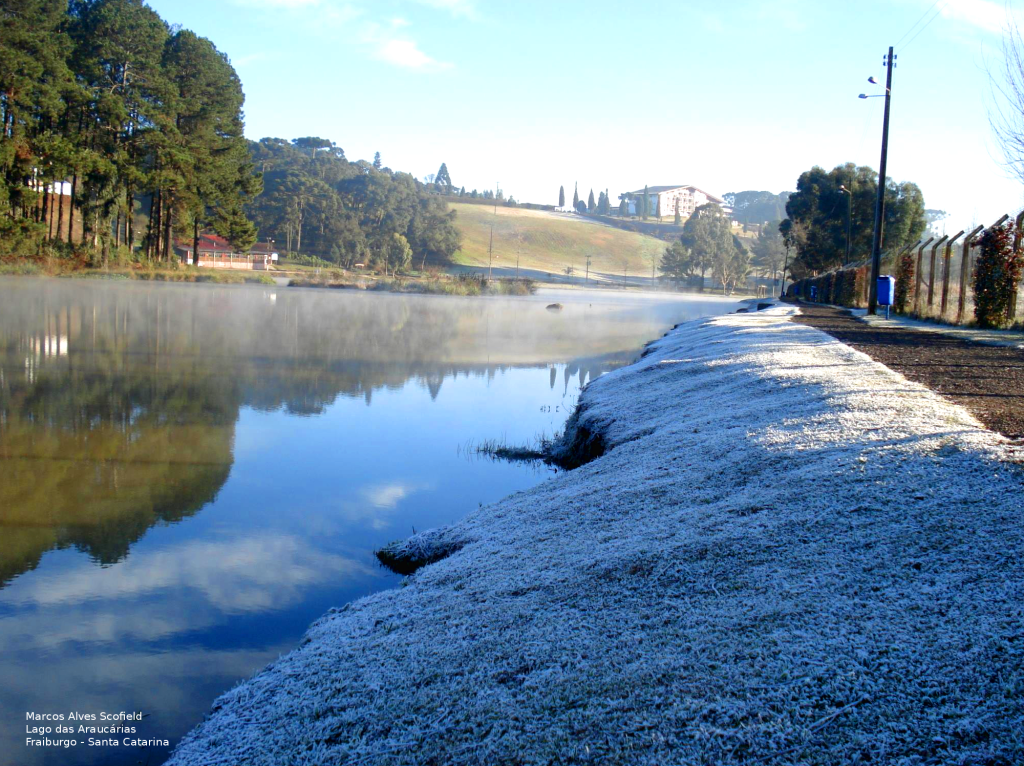
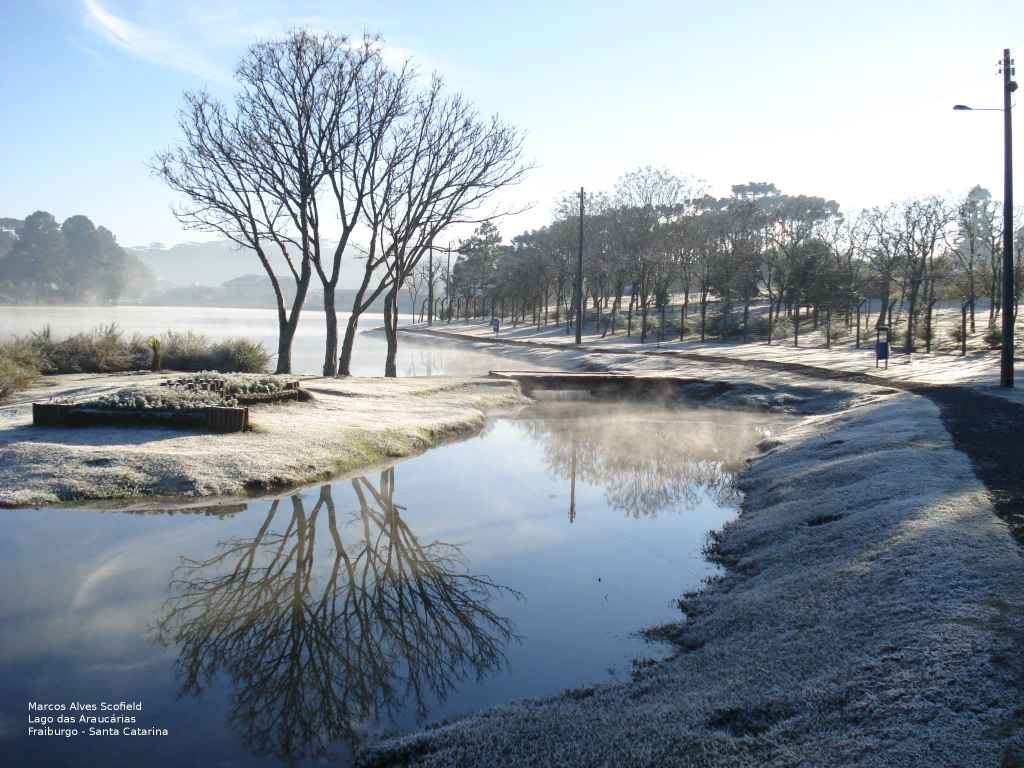
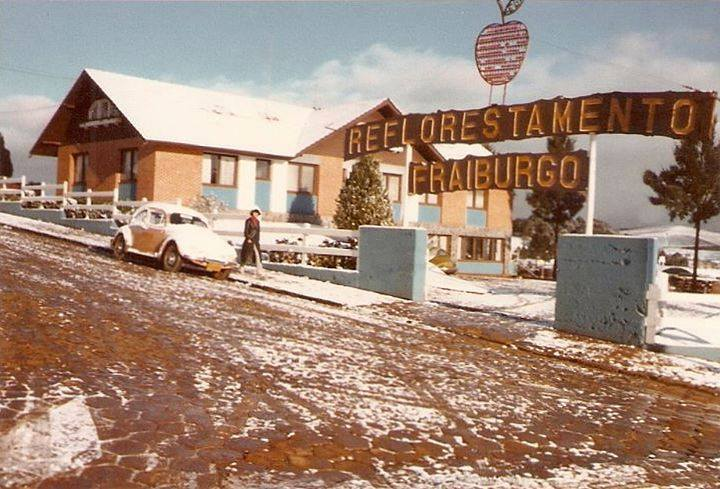
Fraiburgo está no sul do país e a mais de 1000 metros do nível do mar, tem invernos bastante frios, mas a neve não é tão comum como em Memmingen. Aqui vão algumas fotos históricas.
Fraiburgo liegt im Süden des Landes und auf über 1.000 Metern über dem Meeresspiegel. Die Winter sind recht kalt, aber Schnee ist nicht so häufig wie in Memmingen. Hier sind einige historische Fotos.
Fraiburgo is located in the southern part of the country and at over 1,000 meters above sea level. Winters are quite cold, but snow is not as common as in Memmingen. Here are some historical photos.

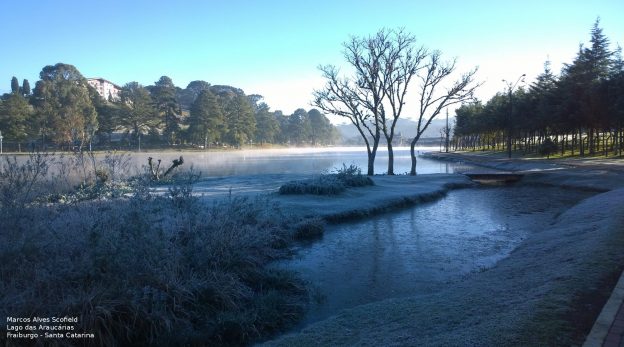
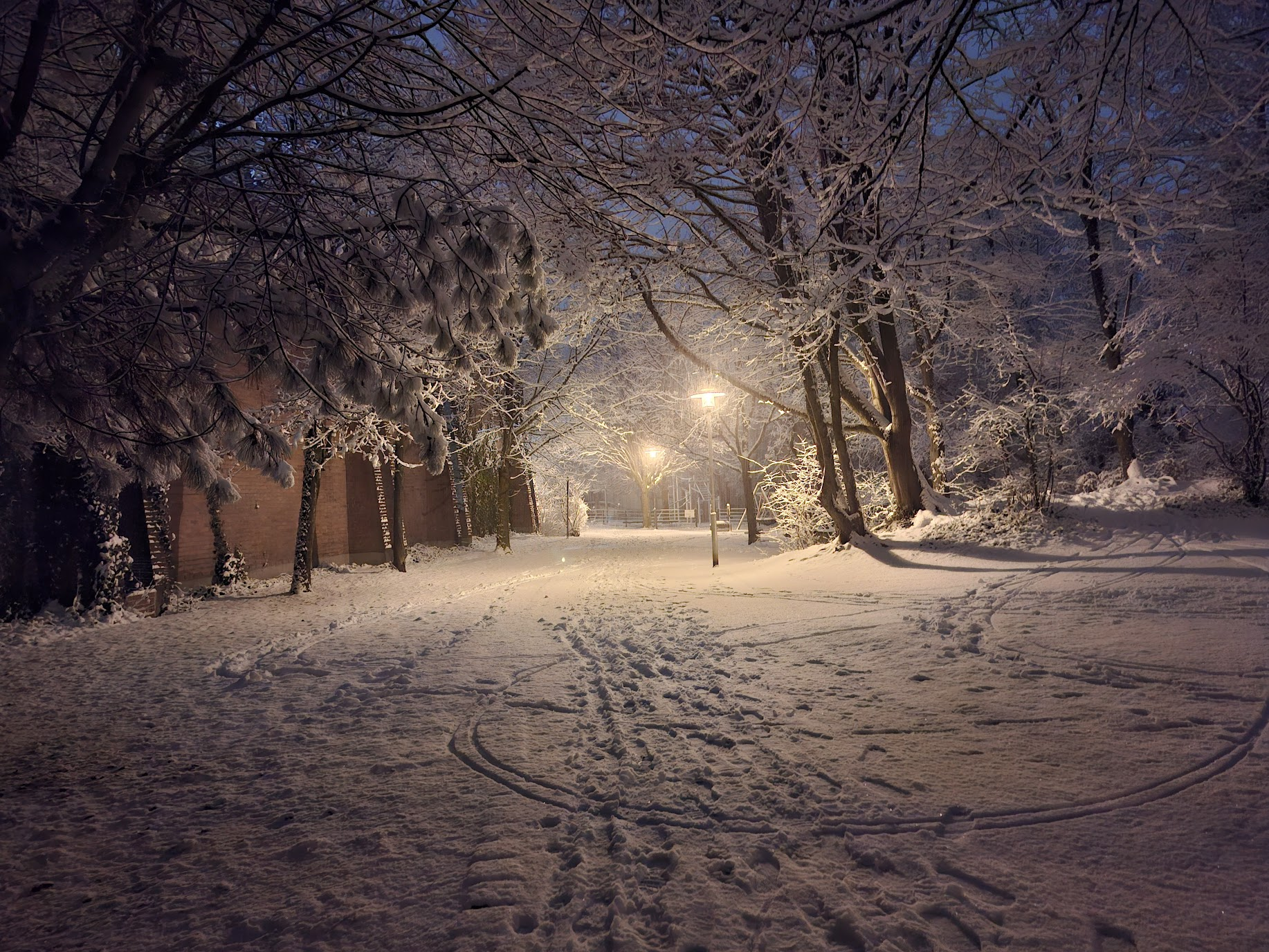
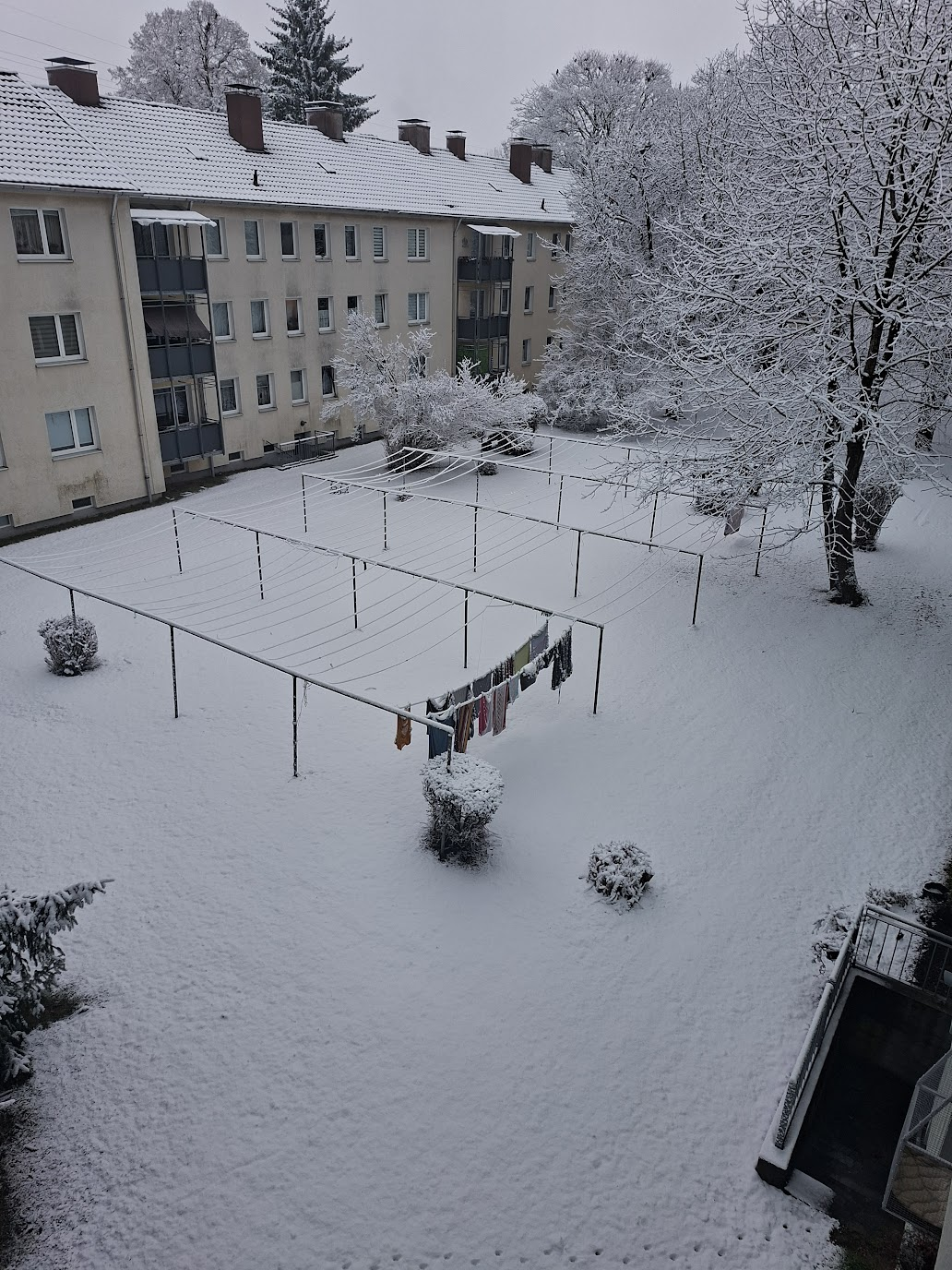
O inverno no Brasil, apesar de frio, geralmente é muito ensolarado e com bastante oscilação de temperatura: à noite pode chegar a -5 °C, enquanto durante o dia pode alcançar até 20 °C. Na Europa, as temperaturas tendem a ficar abaixo de zero por semanas, o que provoca o congelamento dos lagos. Abaixo temos uma foto, demonstrando um pouco da dificuldade em sacar as roupas por aqui.
Der Winter in Brasilien ist trotz der Kälte meist sehr sonnig und von starken Temperaturschwankungen geprägt: Nachts kann es auf -5 °C fallen, während es tagsüber bis zu 20 °C erreichen kann. In Europa bleiben die Temperaturen oft wochenlang unter null, was zum Gefrieren der Seen führt. Unten sehen wir ein Foto, das ein wenig die Schwierigkeit zeigt, hier Kleidung zu trocknen.
Winter in Brazil, despite being cold, is usually very sunny and marked by strong temperature fluctuations: at night it can drop to -5 °C, while during the day it can reach up to 20 °C. In Europe, temperatures tend to stay below zero for weeks, which causes lakes to freeze. Below we have a photo showing some of the difficulty of drying clothes here.
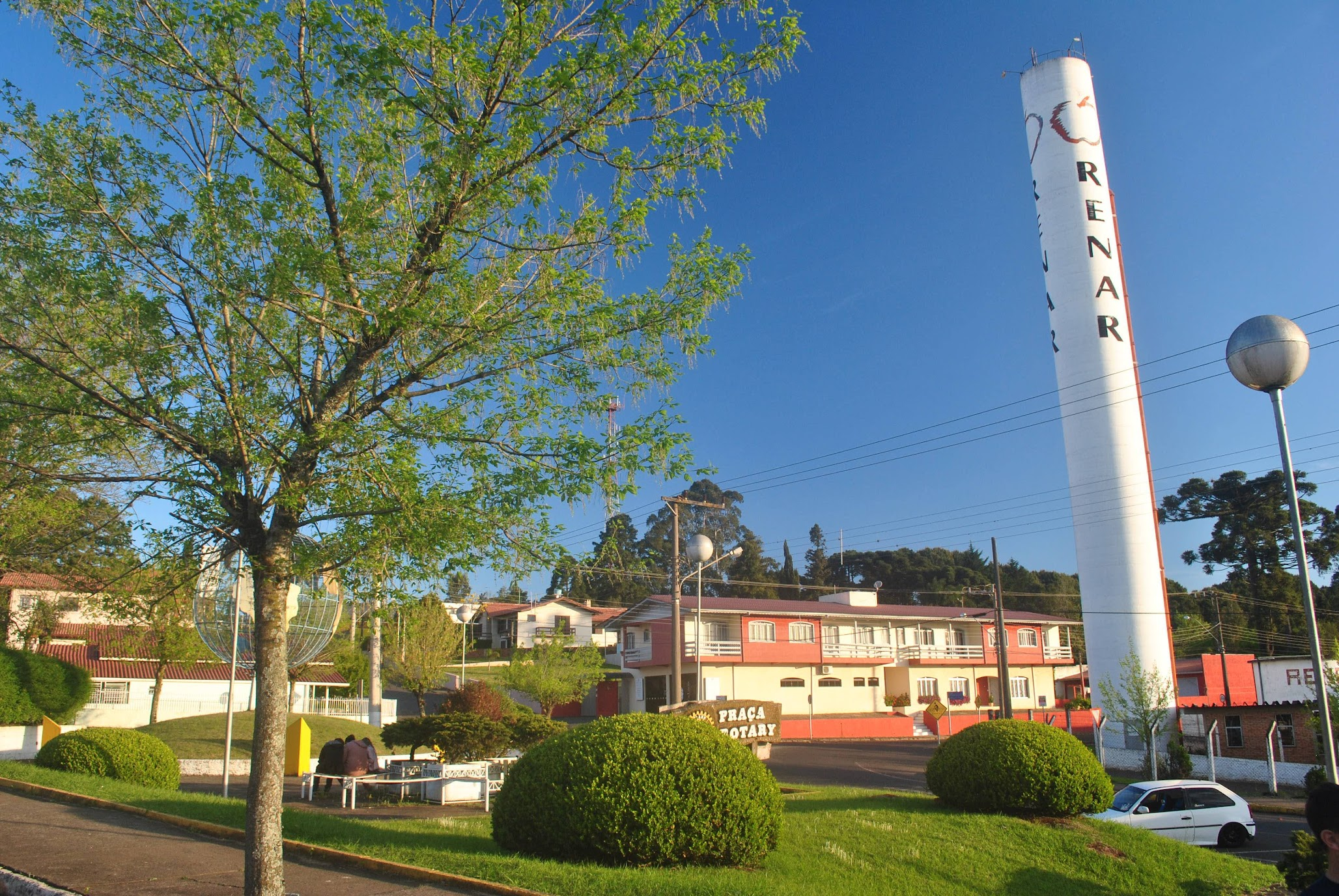
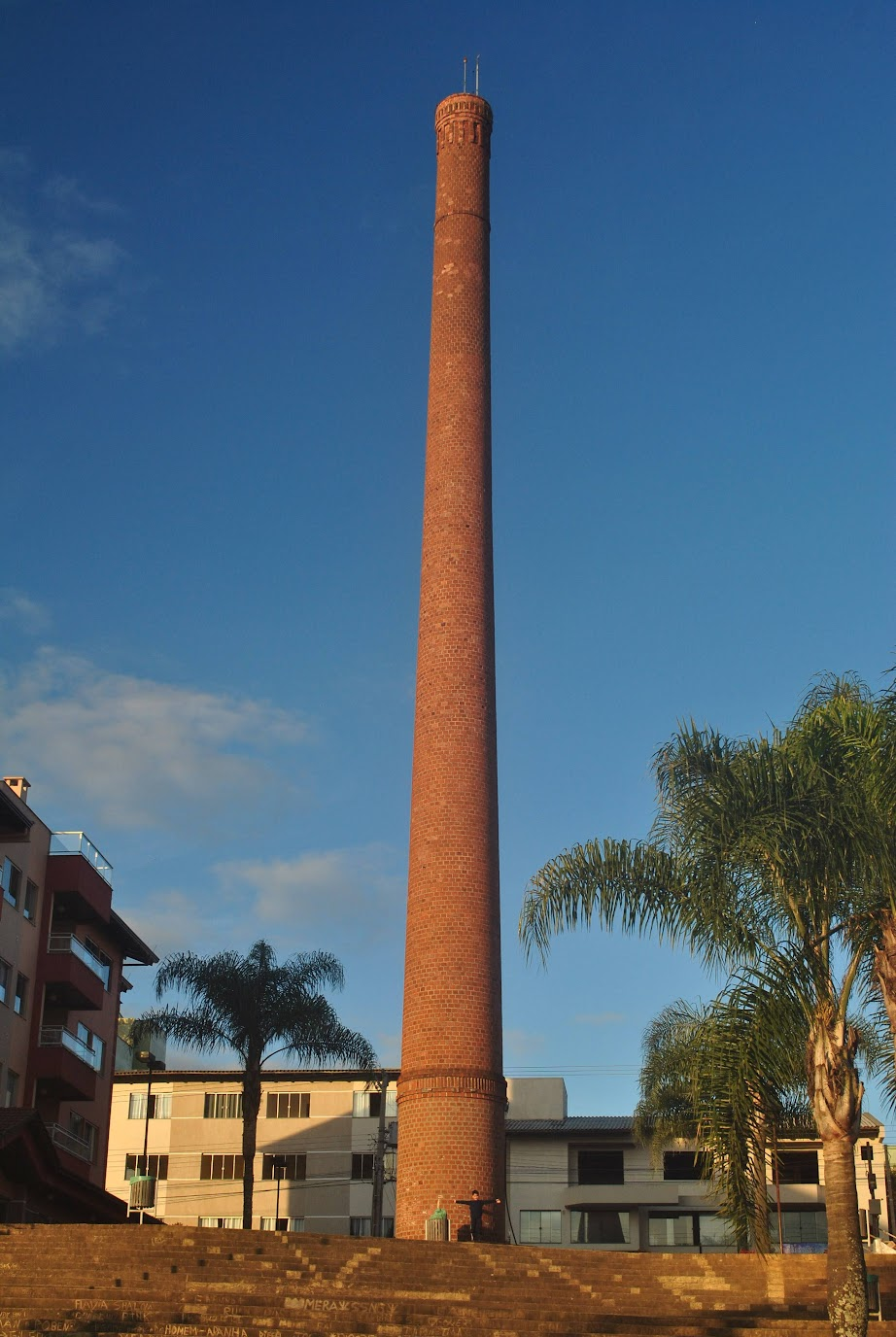
Torres / Türme / Towers
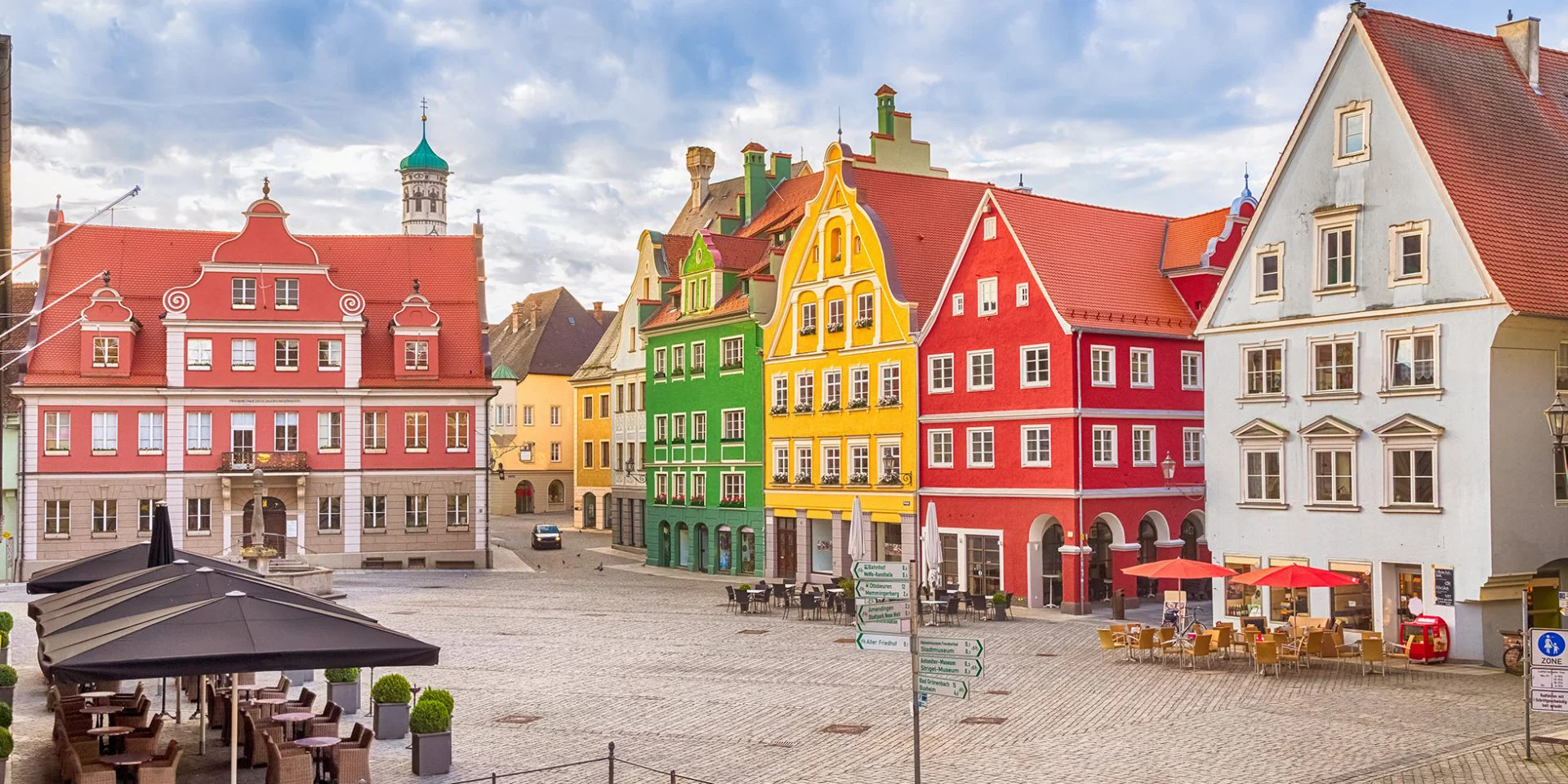
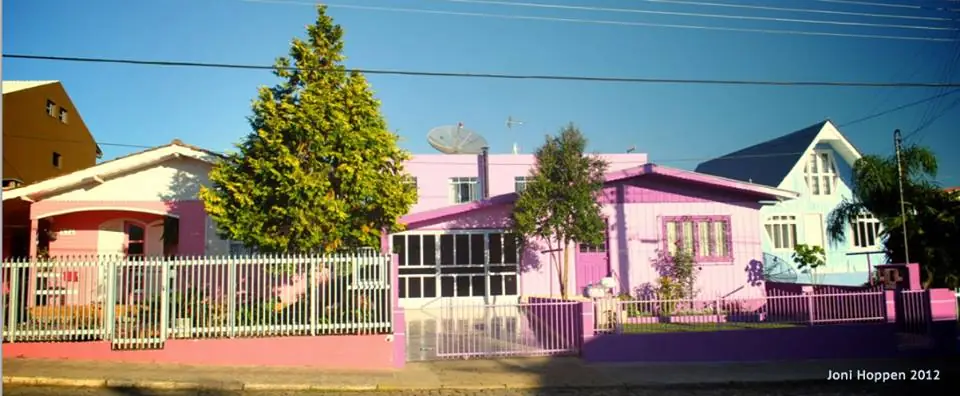
Casas estilosas / Stilvolle Häuser / Stylish houses

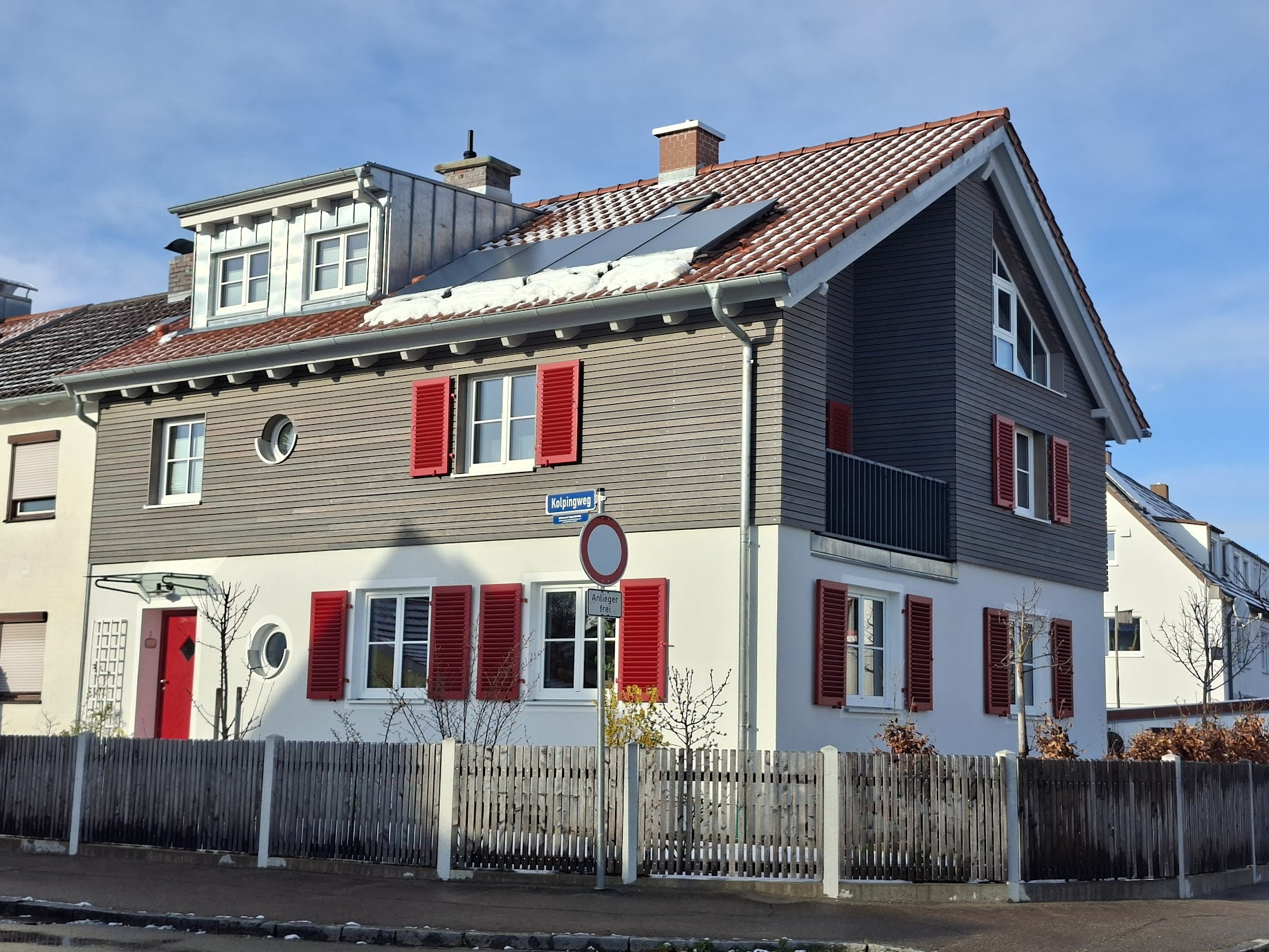
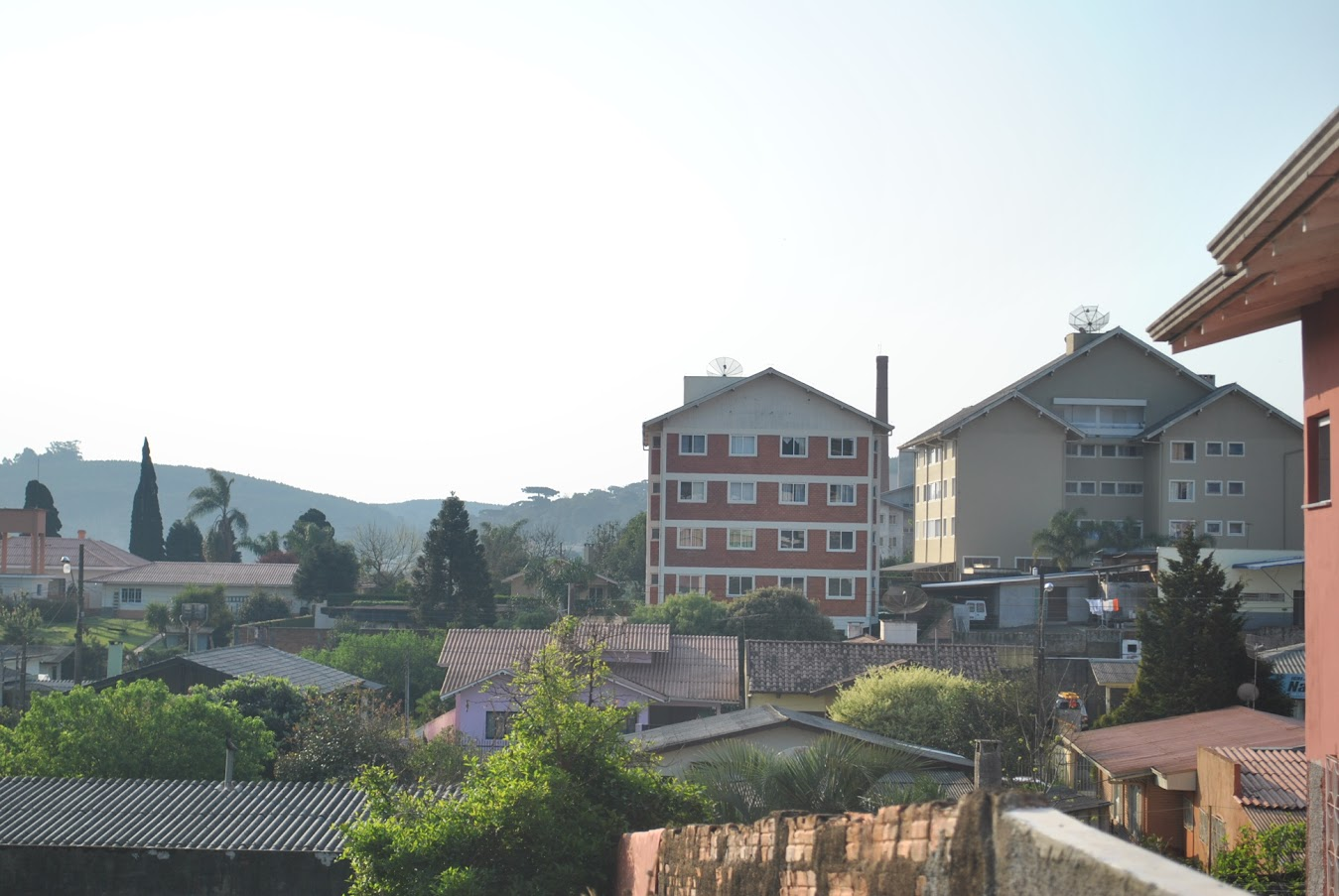
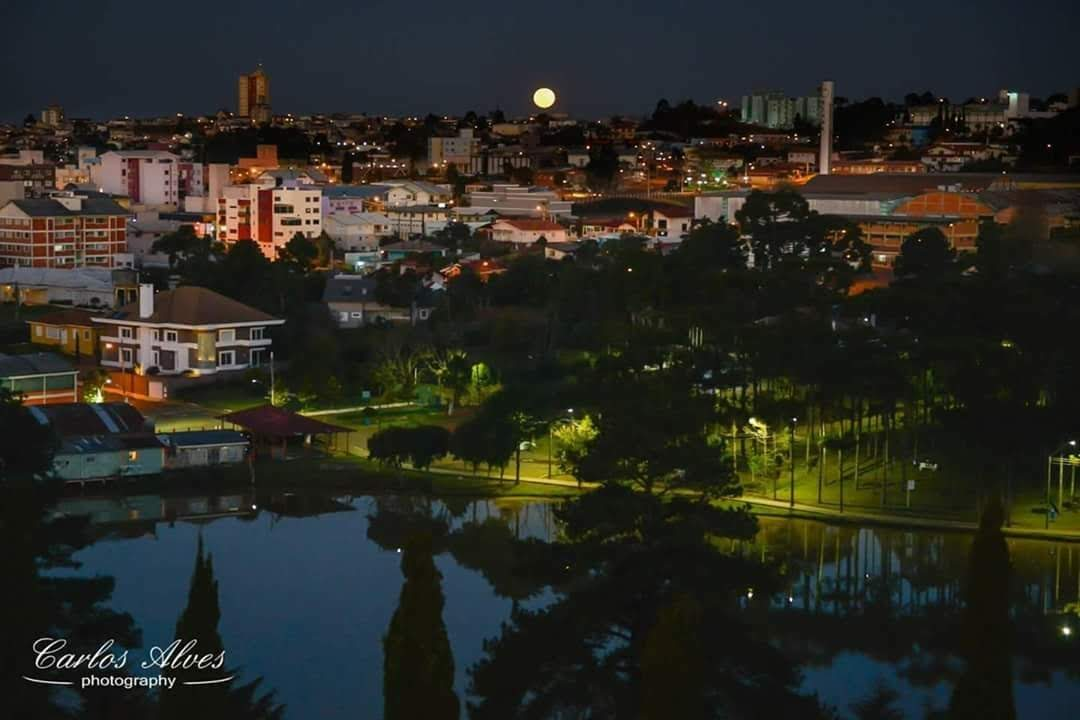
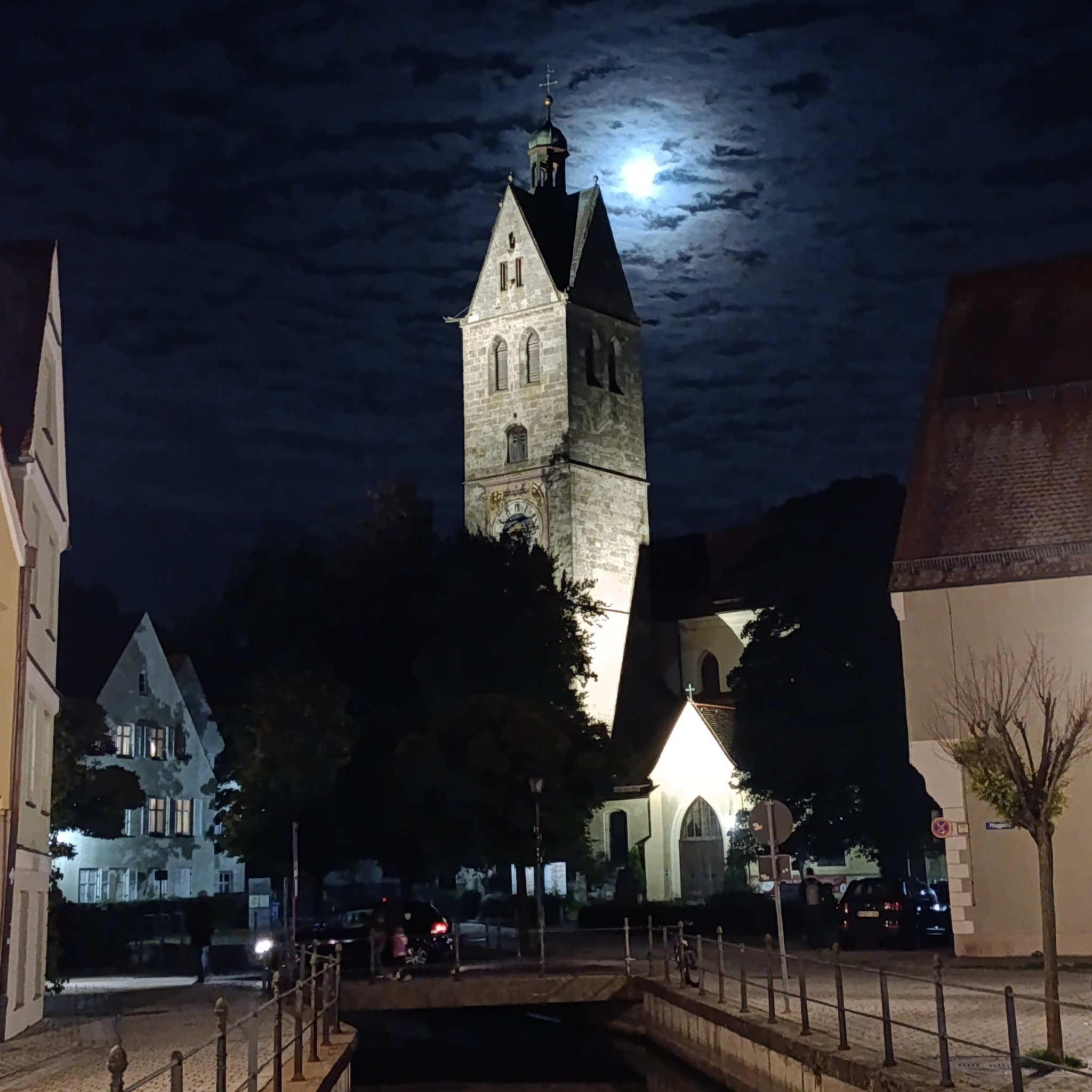
Boa noite a todos / Guten Abend zusammen / Good evening everyone
Ufa, foi bastante coisa! Foi muito prazeroso comparar cidades tão lindas. Também foi um exercício complexo, mas espero que vocês tenham gostado.
Um abraço a todos de Fraiburgo e a todos de Memmingen. Brasil e Alemanha seguem sempre conectados.
Ideias e sugestões? Deixem nos comentários.
E agora, fica o boa noite das duas cidades… 🌙
Uff, das war eine ganze Menge! Es war sehr schön, so schöne Städte zu vergleichen. Es war auch eine komplexe Aufgabe, aber ich hoffe, es hat euch gefallen. Einen herzlichen Gruß an alle in Fraiburgo und an alle in Memmingen. Brasilien und Deutschland bleiben immer verbunden. Ideen und Vorschläge? Schreibt sie gerne in die Kommentare. Und jetzt: Gute Nacht aus beiden Städten… 🌙
Phew, that was quite a lot! It was a pleasure to compare such beautiful cities. It was also a complex exercise, but I hope you enjoyed it. A big hug to everyone in Fraiburgo and in Memmingen. Brazil and Germany remain always connected. Ideas and suggestions? Leave them in the comments. And now, good night from both cities… 🌙